Safety Software Built by Safety Professionals – The Safety Master

Real-Time Safety Visibility for Real-World Risks
February 24, 2026
If You Can’t See Risk, You Can’t Control It
March 6, 2026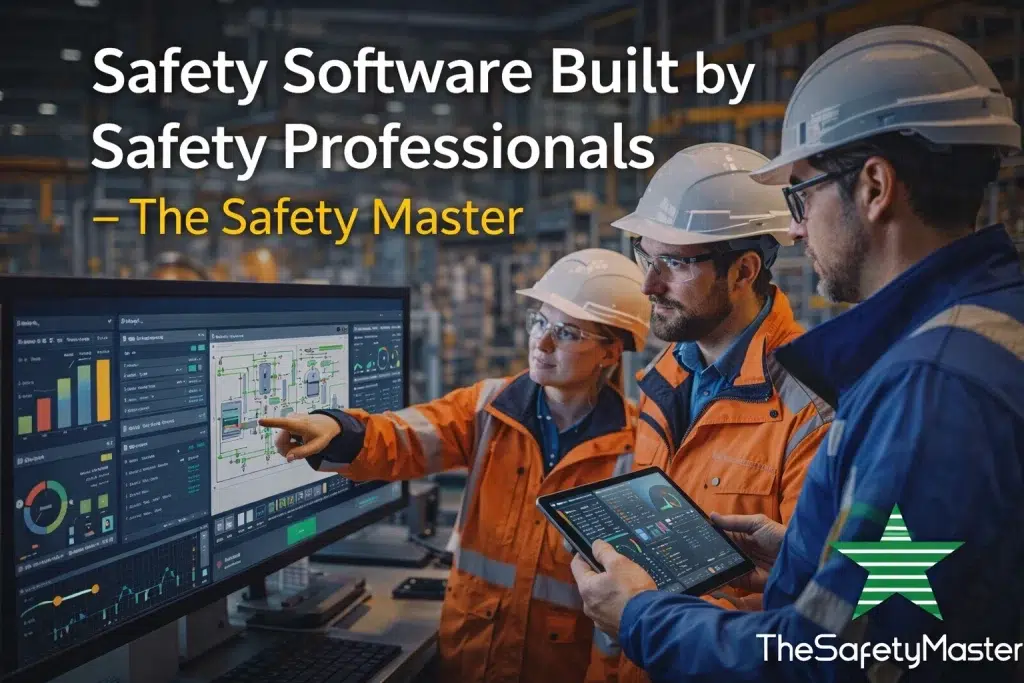
Why Safety Software Needs Real Industry Experience
Safety management in industrial environments requires more than digital tools. It requires systems designed around real operational challenges, regulatory expectations, and practical risk control methods. Many organizations adopt software that focuses primarily on data storage or reporting but fails to address the complex nature of workplace safety. Effective safety software must reflect how hazards actually appear in manufacturing plants, warehouses, construction sites, and chemical facilities.
When safety software is built by professionals who understand industrial operations, it becomes more practical and reliable. These professionals are familiar with inspection routines, risk assessments, emergency preparedness procedures, and compliance documentation. Their experience shapes software features that support real safety workflows rather than theoretical processes.
Bridging the Gap Between Safety Theory and Daily Operations
Safety professionals regularly deal with equipment inspections, incident investigations, compliance documentation, and risk assessments. Managing these tasks through spreadsheets or scattered documentation can create delays and inconsistencies. Safety software helps centralize these processes, providing a structured environment where safety activities can be tracked, reviewed, and improved.
However, the effectiveness of safety software depends on whether it reflects the real tasks performed by safety teams. Systems designed without practical field knowledge often include unnecessary complexity or miss essential operational details. Software created by safety professionals tends to focus on clarity, efficiency, and realistic safety monitoring practices.
For example, hazard reporting modules should allow employees to quickly document unsafe conditions. Corrective action tracking should ensure that issues are resolved promptly. Training management tools should help organizations maintain accurate records of safety education and competency verification.
Improving Hazard Identification and Risk Awareness
One of the most critical responsibilities in safety management is identifying hazards before they lead to incidents. Safety software designed with industry expertise often includes structured risk evaluation features that help organizations analyze hazards systematically.
In high-risk environments, analytical techniques such as a Hazop Study are used to identify process deviations and potential operational failures. Integrating such structured methodologies into digital safety platforms allows organizations to document findings, monitor corrective actions, and maintain traceable records of risk mitigation efforts.
When these tools are incorporated into safety software, teams can access risk analysis data more easily and ensure that recommendations from hazard studies are implemented effectively.
Supporting Structured Compliance Processes
Industrial organizations must comply with multiple safety regulations and operational standards. Compliance activities often involve inspections, documentation reviews, and corrective action monitoring. Managing these tasks manually can increase the risk of overlooked requirements.
Safety software simplifies compliance tracking by organizing records, scheduling inspections, and maintaining documentation in a centralized system. For example, periodic evaluations such as a Safety Audit can be scheduled within the platform, ensuring that audit findings are recorded and followed up systematically.
This structured approach allows organizations to maintain clear documentation of safety performance and regulatory compliance without relying on fragmented record-keeping systems.
Enhancing Fire Safety Management
Fire hazards remain a major concern in many industries due to electrical faults, improper material storage, and equipment overheating. Effective fire risk management requires regular inspections, system maintenance, and employee awareness.
Safety software developed by experienced professionals often includes fire safety monitoring features that track equipment status, maintenance schedules, and inspection records. Evaluations such as a Fire Audit can be integrated into the system to ensure that fire prevention measures, alarm systems, suppression equipment, and evacuation procedures are reviewed regularly.
Digital tracking ensures that maintenance activities are not overlooked and that potential fire risks are addressed promptly.
Integrating Process Safety Monitoring
Industrial facilities handling hazardous materials or complex manufacturing processes must maintain strict control over operating conditions. Deviations in pressure, temperature, or chemical reactions can quickly escalate into dangerous situations if not detected early.
Safety software built with professional insight often incorporates features that support structured process monitoring. Integration with frameworks such as Process Safety Management helps organizations track operational parameters, manage changes in procedures, and maintain detailed documentation of safety controls.
When process safety systems are supported by digital platforms, organizations gain greater visibility into operational risks and can respond more effectively to abnormal conditions.
Improving Communication and Incident Reporting
Communication plays a crucial role in maintaining a strong safety culture. Employees must feel confident reporting hazards, near misses, and unsafe behaviors. Safety software provides a centralized platform where incidents and observations can be recorded quickly.
Immediate reporting allows supervisors and safety teams to review information in real time and implement corrective actions without delay. Digital reporting also helps organizations identify patterns in incidents and prioritize preventive measures.
Clear communication channels improve transparency and encourage participation from all levels of the workforce.
Data-Driven Safety Decision Making
Modern safety management increasingly relies on data analysis. Digital platforms allow organizations to collect information about hazards, inspections, maintenance activities, and incident trends. This data can then be analyzed to identify recurring risks and improvement opportunities.
For example, safety software may reveal that certain equipment frequently requires maintenance or that incidents occur more often during specific shifts. These insights allow management to address root causes rather than responding only to visible symptoms.
Data-driven decision making strengthens preventive strategies and helps organizations allocate resources more effectively.
Building a Consistent Safety Culture
Safety culture develops when safe behavior becomes routine across the organization. Digital safety systems support this culture by reinforcing consistent practices. When employees regularly report hazards, participate in training programs, and follow documented procedures, safety awareness becomes part of daily operations.
Software platforms also help leadership monitor safety engagement levels. Training participation rates, corrective action completion, and inspection results provide valuable indicators of organizational safety performance.
Consistent monitoring ensures that safety initiatives remain active rather than fading over time.
Practical Advantages of Industry-Focused Safety Software
Safety software designed by professionals brings several practical advantages. It reflects real operational workflows, reduces administrative burden, and improves visibility into safety activities. Instead of functioning as a passive record system, it becomes an active tool that supports hazard identification, risk analysis, and compliance management.
By aligning technology with real safety practices, organizations can create a more structured and responsive safety management system.
Conclusion
Safety software built by safety professionals offers practical solutions for managing workplace risks and regulatory responsibilities. By combining digital tools with industry expertise, organizations gain better visibility into hazards, stronger compliance tracking, and more effective communication.
When safety technology reflects real operational needs, it becomes a valuable part of everyday risk management. Structured monitoring, data-driven insights, and clear accountability help organizations maintain safer environments and improve long-term safety performance.