Construction Site Safety Audit
A Construction Site Safety Audit is a systematic review of safety conditions, work practices, equipment, procedures, and safety management systems at a construction site. Construction projects involve activities such as excavation, scaffolding, lifting, electrical work, hot work, work at height, machinery operation, and material handling. Each activity can create different safety risks. A professional safety audit helps identify these hazards and checks whether suitable safety controls are being implemented. The Safety Master provides construction safety audit services to help organizations identify safety gaps and improve overall workplace safety.
Importance of Construction Site Safety Audit
Construction sites are continuously changing because different activities, workers, contractors, machinery, and materials are introduced at different stages of a project. These changes can create new hazards if they are not properly controlled. A Construction Site Safety Audit helps management review actual site conditions and compare them with established safety procedures and requirements. The audit can identify unsafe conditions, unsafe work practices, gaps in safety documentation, inadequate PPE usage, poor housekeeping, and weaknesses in emergency preparedness. Regular safety audits also support continuous improvement in construction safety management.
Areas Covered in a Construction Site Safety Audit
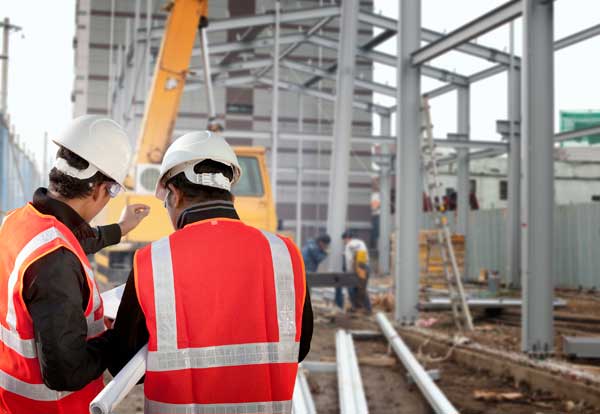
A Construction Site Safety Audit normally covers important safety areas across the project. The audit may review the site safety plan, safety responsibilities, worker induction, training, toolbox talks, personal protective equipment, work permits, emergency arrangements, contractor management, and safety inspection records. Physical site conditions are also examined to identify hazards associated with ongoing construction activities. The scope of the audit can be adjusted according to the type, size, location, and stage of the construction project.
Work at Height Safety
Work at height is one of the important areas reviewed during a construction safety audit. The audit checks whether workers have suitable fall protection and whether scaffolds, ladders, platforms, guardrails, floor openings, and other elevated work areas are properly controlled. The condition and use of safety harnesses, lifelines, anchorage points, and other fall protection systems may also be reviewed. Safe access and appropriate working platforms are important for reducing the risk of falls during construction activities.
Scaffolding Safety
Scaffolding is widely used for construction, maintenance, painting, and other activities. During a Construction Site Safety Audit, scaffolding is checked for stability, proper support, access, platforms, guardrails, toe boards, and other safety requirements. The audit may also review scaffold inspection records and identify damaged or improperly installed components. Proper inspection and maintenance of scaffolding can help reduce risks associated with falls and structural instability.
Excavation and Trenching Safety
Excavation and trenching activities can involve risks such as collapse, falling materials, equipment movement, underground utilities, and unsafe access. A construction safety audit reviews excavation areas to determine whether suitable protective measures, barricading, access arrangements, inspections, and safe working practices are in place. The location of excavated materials and operation of heavy equipment near excavation edges may also be examined. The specific controls required depend on the nature and conditions of the excavation.
Electrical Safety
Temporary electrical installations, cables, distribution boards, portable tools, and construction equipment can create electrical hazards. A Construction Site Safety Audit reviews electrical arrangements to identify damaged cables, improper connections, inadequate protection, poor cable routing, and other unsafe conditions. Earthing, electrical panels, circuit protection, inspection records, and isolation practices may also be reviewed. The objective is to identify electrical hazards and recommend suitable corrective actions.
Lifting and Material Handling Safety
Construction projects commonly involve cranes, hoists, forklifts, lifting accessories, and manual material handling. During the audit, lifting equipment, slings, shackles, hooks, lifting plans, operator competency, load handling practices, and exclusion zones may be reviewed. The audit also examines whether materials are stored safely and whether workers are following appropriate procedures during lifting and handling operations. Proper planning and supervision can help reduce the risk of dropped loads, struck-by incidents, and manual handling injuries.
Machinery and Equipment Safety
Construction machinery such as excavators, loaders, concrete mixers, cutting machines, drilling equipment, cranes, and other tools can create significant hazards. A Construction Site Safety Audit checks whether machinery is maintained, inspected, and operated by authorized and competent personnel. Guards, emergency stops, operating controls, warning systems, maintenance records, and safe operating procedures may also be reviewed. Unsafe or damaged equipment should be identified and corrective action should be taken.
Fire Safety
Fire safety is another important part of construction site safety. Construction activities may involve welding, cutting, hot work, electrical systems, fuel, gas cylinders, combustible materials, and temporary structures. The audit reviews the availability and condition of fire extinguishers, fire points, emergency routes, hot work controls, gas cylinder storage, combustible material storage, and emergency response arrangements. These checks help identify potential fire hazards and improve preparedness for emergencies.
Personal Protective Equipment
Personal protective equipment is reviewed according to the hazards present at the construction site. Workers may require safety helmets, safety shoes, gloves, eye protection, hearing protection, respiratory protection, high-visibility clothing, and fall protection equipment depending on their activities. A Construction Site Safety Audit checks whether suitable PPE is available, maintained, correctly used, and appropriate for the specific work being performed. Worker awareness and PPE training may also be reviewed.
Housekeeping and Material Storage
Good housekeeping is essential for maintaining safe access and reducing slips, trips, falls, fire risks, and blocked emergency routes. During the audit, construction waste, scrap materials, cables, tools, access routes, walkways, storage areas, and emergency exits are reviewed. Materials should be stored in an organized and stable manner without creating unnecessary hazards. Regular housekeeping inspections can help maintain safer working conditions throughout the project.
Construction Site Safety Audit Process
The Construction Site Safety Audit process normally begins with planning and reviewing available project information. This can include the project scope, construction activities, site layout, safety procedures, risk assessments, previous audit reports, incident records, training records, and contractor information. Understanding the project before the site inspection helps the audit team focus on the activities and areas where safety risks may be present.
The next stage is the physical inspection of the construction site. Auditors observe work activities, site conditions, equipment, worker practices, access routes, storage areas, scaffolding, excavations, electrical systems, lifting operations, fire protection arrangements, and emergency facilities. Discussions with workers, supervisors, and contractors may also be conducted to understand how safety procedures are applied during actual work.
Document review is another important part of the audit. Safety documents such as risk assessments, method statements, permits, training records, equipment inspection certificates, toolbox talk records, emergency plans, incident reports, and contractor safety documents may be examined. Comparing documented procedures with actual site practices helps identify gaps in the safety management system.
After the inspection and document review, identified hazards and safety observations are recorded. Each finding can include the location, observed condition, potential risk, recommended corrective action, responsible person, and target completion date. This provides management with a structured way to address safety gaps and monitor improvement.
Construction Site Safety Audit Report
A Construction Site Safety Audit Report provides a clear record of the audit findings and recommended improvements. The report generally includes information about the project, audit scope, areas inspected, observations, photographs where applicable, safety gaps, corrective actions, and follow-up requirements. Findings can be categorized according to their level of risk so that management can prioritize appropriate corrective actions.
The report can also include positive safety observations and good practices identified during the audit. Recognizing effective safety practices can help encourage workers and management to maintain and improve existing controls. Follow-up audits or inspections can then be used to verify whether corrective actions have been completed and whether the identified risks have been adequately addressed.
Benefits of Construction Site Safety Audit
A professional Construction Site Safety Audit helps organizations understand the actual safety condition of their construction projects. It can support better hazard identification, improved safety awareness, stronger safety documentation, better contractor management, improved PPE compliance, and more effective corrective actions. Audits can also help management identify recurring safety problems and develop practical measures for improving site safety.
Regular safety audits can contribute to a stronger safety culture by encouraging workers, supervisors, contractors, and management to take responsibility for workplace safety. They provide an opportunity to review existing controls and make improvements as construction activities and site conditions change.
Why Choose The Safety Master for Construction Safety Audit?
The Safety Master provides professional safety audit and consulting services for construction projects. Our approach focuses on identifying workplace hazards, reviewing existing safety controls, examining safety documentation, and providing practical recommendations for improvement. The audit scope can be customized according to project activities, site conditions, contractor requirements, and organizational safety objectives.
With a structured Construction Site Safety Audit, organizations can gain a clearer understanding of their site safety performance and identify areas requiring corrective action. The Safety Master supports organizations in developing safer construction practices through systematic inspections, hazard identification, risk review, safety documentation assessment, and follow-up recommendations.
Conclusion
A Construction Site Safety Audit is an important part of managing safety at construction projects. It provides a structured way to review work practices, identify hazards, examine safety controls, and improve safety performance. Areas such as work at height, scaffolding, excavation, electrical safety, lifting operations, machinery, fire safety, PPE, housekeeping, and emergency preparedness should be reviewed according to the risks present at the site.
The Safety Master helps construction organizations strengthen their safety practices through professional audits, hazard identification, safety assessments, and practical corrective-action recommendations. Regular audits and follow-up activities can support continuous improvement and help create safer working conditions for employees, contractors, and other people working at construction sites.