
Emergency Response Procedure Services for Workplace Safety
An effective Emergency Response Procedure is essential for protecting employees, visitors, facilities, equipment, and business operations during unexpected emergencies. Fires, chemical releases, explosions, natural disasters, equipment failures, and other incidents can escalate quickly when organizations do not have clearly defined emergency procedures.
The Safety Master helps organizations develop practical and customized emergency response procedures based on their workplace hazards, processes, workforce, site layout, and emergency scenarios. Our approach helps organizations prepare employees to respond quickly, communicate effectively, evacuate safely, and minimize the impact of an emergency.
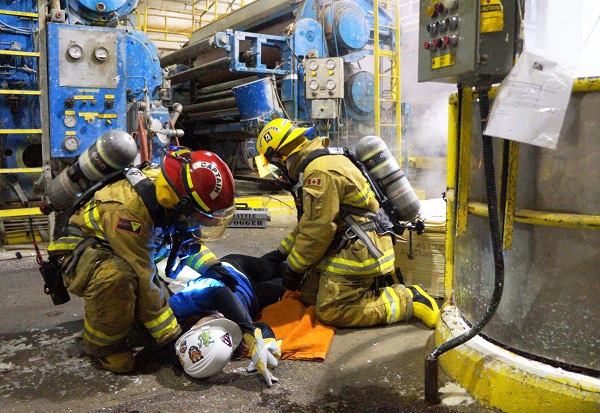
What Is an Emergency Response Procedure?
An Emergency Response Procedure is a structured set of instructions that explains what employees and responsible personnel should do before, during, and after an emergency.
A well-designed procedure defines:
- Potential emergency scenarios
- Roles and responsibilities
- Emergency communication methods
- Alarm and notification systems
- Evacuation procedures
- Assembly points
- Emergency contact information
- Rescue and first-aid arrangements
- Firefighting and emergency equipment
- Coordination with external emergency services
- Recovery and post-emergency actions
Emergency procedures should be specific to the organization's operations and risks rather than relying on a generic emergency plan.
Why Is an Emergency Response Procedure Important?
Workplace emergencies require immediate and coordinated action. Confusion, delayed communication, or unclear responsibilities can increase the severity of an incident.
A properly developed Emergency Response Procedure can help organizations:
Protect Employees and Visitors
The primary objective of emergency preparedness is to protect people. Clearly defined evacuation, rescue, communication, and emergency response arrangements help employees understand what actions they need to take.
Reduce the Impact of Emergencies
Early response can help control an incident before it develops into a major event. Appropriate emergency procedures can reduce potential damage to facilities, equipment, materials, and the surrounding environment.
Establish Clear Responsibilities
Everyone should understand their role during an emergency. Emergency response procedures assign responsibilities to emergency coordinators, fire teams, first-aid teams, security personnel, management, and other designated employees.
Improve Emergency Preparedness
Regular training and drills based on documented procedures help employees become familiar with emergency actions and identify gaps in preparedness.
Key Elements of an Emergency Response Procedure
An effective procedure should address the complete emergency management cycle.
Emergency Identification and Risk Assessment
The first step is identifying credible emergency scenarios relevant to the workplace.
These may include:
- Fire and explosion
- Chemical spills or toxic releases
- Gas leakage
- Process emergencies
- Electrical incidents
- Structural failure
- Natural disasters
- Transportation incidents
- Medical emergencies
- Confined-space emergencies
- Security-related emergencies
Emergency Alarm and Communication
The procedure should define how an emergency will be reported and communicated.
It should specify:
- Emergency alarm methods
- Internal communication channels
- Emergency telephone numbers
- Incident reporting procedures
- Communication with emergency services
- Communication with management and stakeholders
Evacuation and Assembly
Employees need clear instructions for reaching safe locations during an emergency.
An evacuation procedure should identify:
- Primary and alternative escape routes
- Emergency exits
- Assembly points
- Safe areas
- Personnel accountability methods
- Assistance arrangements for vulnerable persons
Emergency Roles and Responsibilities
Emergency teams should have clearly documented responsibilities.
Typical roles may include:
- Incident Controller
- Emergency Coordinator
- Fire and Rescue Team
- First-Aid Team
- Evacuation Wardens
- Security Team
- Communication Team
- Maintenance and Utility Team
Emergency Equipment and Resources
The procedure should identify emergency equipment available at the facility and explain its appropriate use.
Depending on the hazards, this may include:
- Fire extinguishers
- Fire hydrants
- Emergency showers
- Eye-wash stations
- First-aid equipment
- Spill control equipment
- Breathing or respiratory protection
- Emergency communication systems
- Rescue equipment
Emergency Response Procedure Development Process
Step 1: Understand the Organization
The first stage involves reviewing the organization's activities, processes, infrastructure, workforce, materials, and operating conditions.
Step 2: Identify Emergency Scenarios
Potential emergency situations are identified through hazard identification, risk assessment, process information, previous incidents, and site observations.
Step 3: Define Emergency Response Actions
Specific actions are developed for each credible emergency scenario.
Example
For a fire emergency, the procedure may cover:
- Raising the alarm
- Informing responsible personnel
- Calling emergency services
- Isolating equipment where safe
- Evacuating affected areas
- Moving to the assembly point
- Accounting for personnel
- Supporting emergency responders
- Conducting post-incident evaluation
Step 4: Assign Responsibilities
Roles are assigned to trained personnel so that critical actions are not delayed during an emergency.
Step 5: Develop Communication and Evacuation Arrangements
Emergency communication methods, escape routes, assembly points, and reporting arrangements are incorporated into the procedure.
Step 6: Training and Emergency Drills
Employees should be trained on emergency procedures and participate in appropriate drills.
Step 7: Review and Continuous Improvement
Emergency procedures should be reviewed periodically and updated following significant changes, incidents, drills, or changes in site hazards.
Industries That Need Emergency Response Procedures
Emergency preparedness is particularly important for industries where hazardous materials, complex processes, heavy equipment, or large workforces are involved.
Manufacturing Industries
Manufacturing facilities may face fire, machinery, electrical, chemical, and process-related emergencies.
Chemical and Process Industries
Chemical facilities require detailed procedures for scenarios such as toxic releases, flammable material incidents, explosions, and process failures.
Oil and Gas Industries
Emergency planning is critical for facilities handling hydrocarbons, pressurized systems, and other high-hazard operations.
Construction Sites
Construction projects may experience falls, fires, electrical incidents, structural failures, equipment accidents, and other emergencies.
Warehouses and Logistics Facilities
Warehouses need procedures covering fire, material handling incidents, chemical spills, vehicle accidents, and evacuation.
Benefits of Professional Emergency Response Procedure Services
Working with experienced safety professionals can help organizations develop procedures that are practical, site-specific, and aligned with their actual risks.
The major benefits include:
- Better emergency preparedness
- Clearly defined responsibilities
- Improved evacuation planning
- Faster emergency communication
- Improved coordination with emergency responders
- Reduced potential loss of life and property
- Better employee awareness
- Improved emergency drill effectiveness
- Continuous improvement of emergency preparedness
Emergency Response Procedure by The Safety Master
The Safety Master provides customized emergency response solutions for organizations across different industrial sectors. Our approach considers workplace hazards, operational activities, emergency scenarios, site conditions, and organizational requirements.
Our experts can assist organizations in developing emergency procedures that support effective preparedness, response, evacuation, rescue, communication, and recovery.
The Safety Master focuses on practical safety solutions that help organizations strengthen their emergency preparedness and build a more resilient workplace.