
Forklift Safety Training and Certification
Forklift Safety is essential for preventing workplace accidents, protecting operators, and ensuring safe material-handling operations. The Safety Master provides practical and structured forklift safety training designed to help employees understand safe forklift operation, workplace hazards, load handling, inspection procedures, and emergency practices.
Why Forklift Safety Training Is Important for Safe Workplace Material Handling
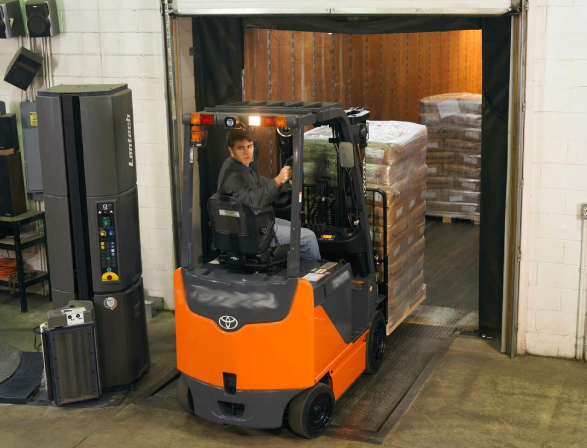
Forklifts are widely used in warehouses, factories, construction sites, logistics facilities, and manufacturing plants. Improper operation can lead to collisions, falling loads, overturning, property damage, and serious injuries.
Why Forklift Safety Training Is Important for Safe Workplace Material Handling
Forklifts are widely used in warehouses, factories, construction sites, logistics facilities, and manufacturing plants. Improper operation can lead to collisions, falling loads, overturning, property damage, and serious injuries.
Effective forklift safety training helps operators develop the knowledge and skills required to operate equipment safely and responsibly while supporting a stronger workplace safety culture.
What Is Forklift Safety Training and Certification?
Forklift safety training is a structured learning program that teaches operators how to safely operate, inspect, and handle materials using forklifts. The training covers both theoretical knowledge and practical operating practices.
A forklift safety certification program helps organizations ensure that designated operators understand their responsibilities and follow established workplace safety procedures.
Key Objectives of Forklift Safety Training
The main objectives of forklift safety training include:
- Understanding forklift operating principles
- Identifying common forklift-related hazards
- Learning safe driving and maneuvering techniques
- Understanding load capacity and stability
- Conducting pre-use forklift inspections
- Following pedestrian and traffic safety rules
- Preventing collisions and workplace incidents
- Understanding safe parking and shutdown procedures
- Responding appropriately to emergencies
- Developing responsible forklift operating behavior
Forklift Hazards Operators Should Understand
Forklift operators may encounter several hazards during daily operations.
Forklift Overturning
Overturning can occur because of excessive speed, uneven surfaces, improper turning, overloaded forks, or incorrect load positioning. Operators should understand forklift stability and follow safe operating limits.
Falling Loads
Incorrectly positioned, unsecured, or overloaded materials can fall from the forks. Operators should ensure loads are stable and within the equipment's rated capacity.
Pedestrian Collisions
People working around forklifts are at risk of being struck. Proper traffic management, designated walkways, warning systems, visibility controls, and safe operating speeds can reduce this risk.
Poor Visibility
Large or improperly positioned loads can obstruct the operator's view. Operators should follow appropriate travel procedures and use spotters where required.
Unsafe Operating Surfaces
Wet, damaged, uneven, or slippery floors can affect forklift stability and braking. Operators should identify and report unsafe surfaces before operating.
Forklift Pre-Operational Inspection
A pre-use inspection is an important part of safe forklift operation. Operators should check the equipment before use according to the manufacturer's requirements and workplace procedures.
Important inspection areas may include:
- Forks and attachments
- Tires and wheels
- Braking system
- Steering system
- Hydraulic components
- Mast and lifting mechanism
- Seat belt or restraint system
- Horn and warning devices
- Lights and visibility systems
- Battery or fuel system
- Leaks or visible damage
Any defect that could affect safe operation should be reported and addressed according to the organization's procedures before the forklift is used.
Safe Forklift Operating Practices
Maintain a Safe Operating Speed
Forklifts should be operated at a speed appropriate for the workplace, load, visibility, traffic, and surface conditions.
Keep the Load Stable
Loads should be positioned correctly and handled within the forklift's rated capacity. Operators should avoid sudden movements that could destabilize the load.
Maintain Clear Visibility
Operators should maintain adequate visibility in the direction of travel. When visibility is restricted, appropriate workplace procedures should be followed.
Use Seat Belts and Restraint Systems
Operators should use the available seat belt or operator restraint system whenever required by the equipment and workplace procedures.
Follow Pedestrian Safety Rules
Operators should maintain awareness of pedestrians, intersections, blind spots, doors, and other moving equipment.
Forklift Load Handling and Stability
Understanding load stability is one of the most important parts of forklift operation. Operators should know the forklift's rated capacity, load center, and limitations.
A load that is too heavy, improperly positioned, or lifted too high can affect the forklift's stability. Training helps operators recognize these conditions and apply safe material-handling practices.
Forklift Safety Training Course Content
A comprehensive forklift safety training program can cover:
- Introduction to forklift safety
- Types of forklifts and their applications
- Forklift components and controls
- Operator responsibilities
- Workplace forklift hazards
- Load handling and capacity
- Stability principles
- Pre-use inspection
- Safe driving and maneuvering
- Pedestrian and traffic management
- Parking and shutdown procedures
- Battery charging or fueling safety
- Emergency response
- Accident and incident prevention
- Practical operating considerations
Who Should Attend Forklift Safety Training?
Forklift safety training is suitable for employees who operate or are responsible for forklift operations in workplaces such as:
- Manufacturing facilities
- Warehouses
- Construction sites
- Logistics and distribution centers
- Industrial plants
- Ports and material-handling facilities
- Retail and storage operations
- Engineering and production facilities
Employers may also benefit from training supervisors and safety professionals who are responsible for monitoring forklift operations.
Benefits of Forklift Safety Training for Organizations
Proper training can help organizations:
- Reduce forklift-related workplace risks
- Improve operator awareness
- Strengthen material-handling practices
- Reduce equipment and property damage
- Improve workplace traffic safety
- Support compliance with applicable safety requirements
- Promote a stronger safety culture
- Improve operational efficiency
Why Choose The Safety Master for Forklift Safety Training?
The Safety Master focuses on practical safety learning that helps participants understand workplace hazards and apply safer operating practices. Training can be aligned with the organization's work environment, equipment, operating conditions, and safety requirements.
The goal is not only to provide theoretical knowledge but also to encourage safer decision-making and responsible forklift operation.
Frequently Asked Questions About Forklift Safety Training
Q-What is forklift safety training?
Forklift safety training teaches operators how to safely inspect, operate, maneuver, and handle loads using forklifts while recognizing workplace hazards and following safety procedures.
Q-Who should take forklift safety training?
Employees who operate forklifts or are responsible for forklift-related activities should receive appropriate training based on their job responsibilities and applicable workplace requirements.
Q-What topics are covered in forklift training?
Training commonly covers forklift components, inspections, load handling, stability, operating procedures, pedestrian safety, workplace hazards, emergency practices, and safe parking.
Q-Why is a forklift pre-use inspection important?
A pre-use inspection helps identify visible defects or unsafe conditions before the equipment is operated, reducing the likelihood of equipment-related incidents.
Q-How can forklift accidents be prevented?
Accidents can be reduced through proper operator training, regular equipment inspections, safe speeds, stable load handling, pedestrian controls, good housekeeping, and consistent enforcement of workplace procedures.
Conclusion
Effective Forklift Safety training is an important part of workplace risk management for organizations that use material-handling equipment. Proper training helps operators recognize hazards, inspect equipment, handle loads safely, and follow responsible operating practices. The Safety Master provides structured forklift safety training to help organizations build safer and more efficient material-handling operations.
Contact us for inquiry on Forklift Safety Training & Certification services for your workers.