
Process Hazards Analysis Services for Industrial Risk Identification and Safety Compliancey
Process Hazards Analysis is one of the most important steps in preventing industrial accidents and improving operational safety. At The Safety Master, we help industries identify potential hazards, evaluate operational risks, and implement practical safety controls before incidents occur. Our team follows internationally accepted standards and proven Process Hazard Analysis methods to reduce risks in chemical plants, manufacturing units, oil & gas facilities, pharmaceutical industries, and other high-risk workplaces.
A well-executed Process Hazards Analysis enables organizations to understand process-related risks, comply with regulatory requirements, and protect employees, equipment, and the environment. Whether your organization requires a complete Process hazard assessment, a detailed Process hazard Analysis checklist, or support in selecting the right methodology, The Safety Master provides expert guidance tailored to your operations.
Our specialists use structured risk evaluation techniques supported by industry best practices, real-world Process Hazard Analysis examples, and comprehensive documentation. We also assist organizations in preparing training materials such as Process Hazard Analysis PDF reports and Process Hazard Analysis PPT presentations to improve awareness across teams. With years of experience in industrial safety, The Safety Master delivers reliable Process Hazards Analysis solutions that help businesses operate safely and efficiently.
What is Process Hazards Analysis?
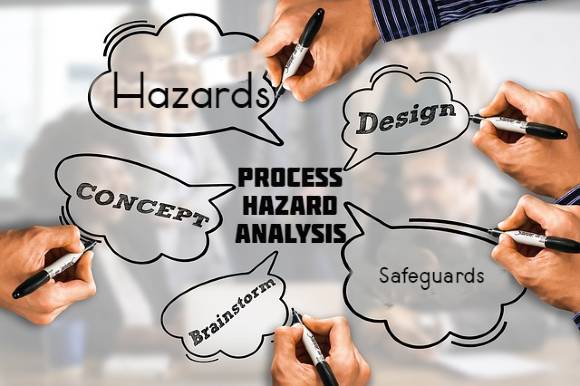
Process Hazards Analysis (PHA) is a systematic and organized approach used to identify, evaluate, and control hazards associated with industrial processes involving hazardous chemicals, equipment, pressure systems, flammable materials, and complex operations.
The objective of a Process Hazards Analysis is to identify situations that could lead to:
- Fire and explosion
- Toxic chemical release
- Equipment failure
- Process deviation
- Environmental damage
- Production downtime
- Injury or loss of life
By identifying these hazards early, organizations can implement preventive measures that significantly reduce operational risks.
Why is Process Hazards Analysis Important?
Every industrial process contains potential hazards that may not be visible during normal operations. A structured Process Hazards Analysis helps organizations identify hidden risks before they become costly incidents.
Benefits include:
Improved Workplace Safety
Identifies hazards before accidents occur and strengthens overall process safety.
Regulatory Compliance
Supports compliance with OSHA Process Safety Management (PSM) and international safety standards.
Reduced Operational Risks
Helps minimize equipment failures, chemical releases, and production interruptions.
Better Decision Making
Provides management with detailed risk information for planning safer operations.
Increased Reliability
Improves process efficiency while reducing maintenance and emergency shutdowns.
Process Hazard Analysis Methods
Different industries require different risk evaluation techniques. The most commonly used Process Hazard Analysis methods include:
HAZOP (Hazard and Operability Study)
A structured technique used to identify deviations in process parameters and their consequences.
What-If Analysis
Uses brainstorming sessions to evaluate possible failure scenarios.
FMEA (Failure Mode and Effects Analysis)
Examines potential equipment failures and evaluates their impact on operations.
Fault Tree Analysis (FTA)
Identifies root causes of major incidents using logical diagrams.
Checklist Analysis
Uses predefined safety questions to evaluate process risks quickly and effectively.
Layer of Protection Analysis (LOPA)
Determines whether existing safeguards are sufficient to reduce identified risks.
Process Hazard Analysis Example
A simple Process Hazard Analysis example can be seen in a chemical storage facility.
Hazard: Overpressure inside a storage tank.
Possible Causes
- Blocked pressure relief valve
- Incorrect filling procedure
- Temperature increase
Potential Consequences
- Tank rupture
- Chemical release
- Fire or explosion
Recommended Actions
- Install additional pressure monitoring
- Improve operator training
- Conduct regular equipment inspections
- Verify emergency shutdown systems
This structured approach helps organizations prevent serious incidents before they occur.
Process Hazard Analysis Checklist
A well-prepared Process hazard Analysis checklist helps ensure no critical safety element is overlooked.
Typical checklist items include:
- Process flow reviewed
- Hazardous chemicals identified
- Equipment operating limits verified
- Safety devices inspected
- Emergency procedures evaluated
- Human factors considered
- Maintenance history reviewed
- Previous incidents analyzed
- Recommendations documented
- Corrective actions assigned
Process Hazard Assessment
A Process hazard assessment evaluates the likelihood and severity of process-related hazards. It combines technical analysis with operational knowledge to determine risk levels and recommend appropriate control measures.
The assessment generally includes:
- Hazard identification
- Risk ranking
- Consequence analysis
- Existing safeguard review
- Risk reduction recommendations
- Action tracking
This assessment becomes an essential part of an organization's overall process safety management program.
Contact us at info@thesafetymaster.com for PHA Study and report or Implementation
CONTACT NOW