
Electrical Safety Training: Topics, Certificate, Employee Safety & Benefits
Electrical Safety Training is essential for reducing electrical hazards, preventing workplace injuries, and developing a strong safety culture. The Safety Master provides practical electrical safety training to help employees understand electrical risks, safe work practices, emergency response, PPE, and electrical safety procedures. Electrical hazards can cause electric shock, burns, falls, and fatal electrocution, making proper training an important part of workplace safety.
What Is Electrical Safety Training?
Electrical Safety Training teaches employees how to identify electrical hazards and work safely around electrical equipment, installations, tools, panels, cables, and energized systems.
The level of training should depend on an employee's job responsibilities and exposure to electrical hazards. Employees who may work on or near exposed energized parts require more detailed knowledge and skills than employees who only need general electrical hazard awareness.
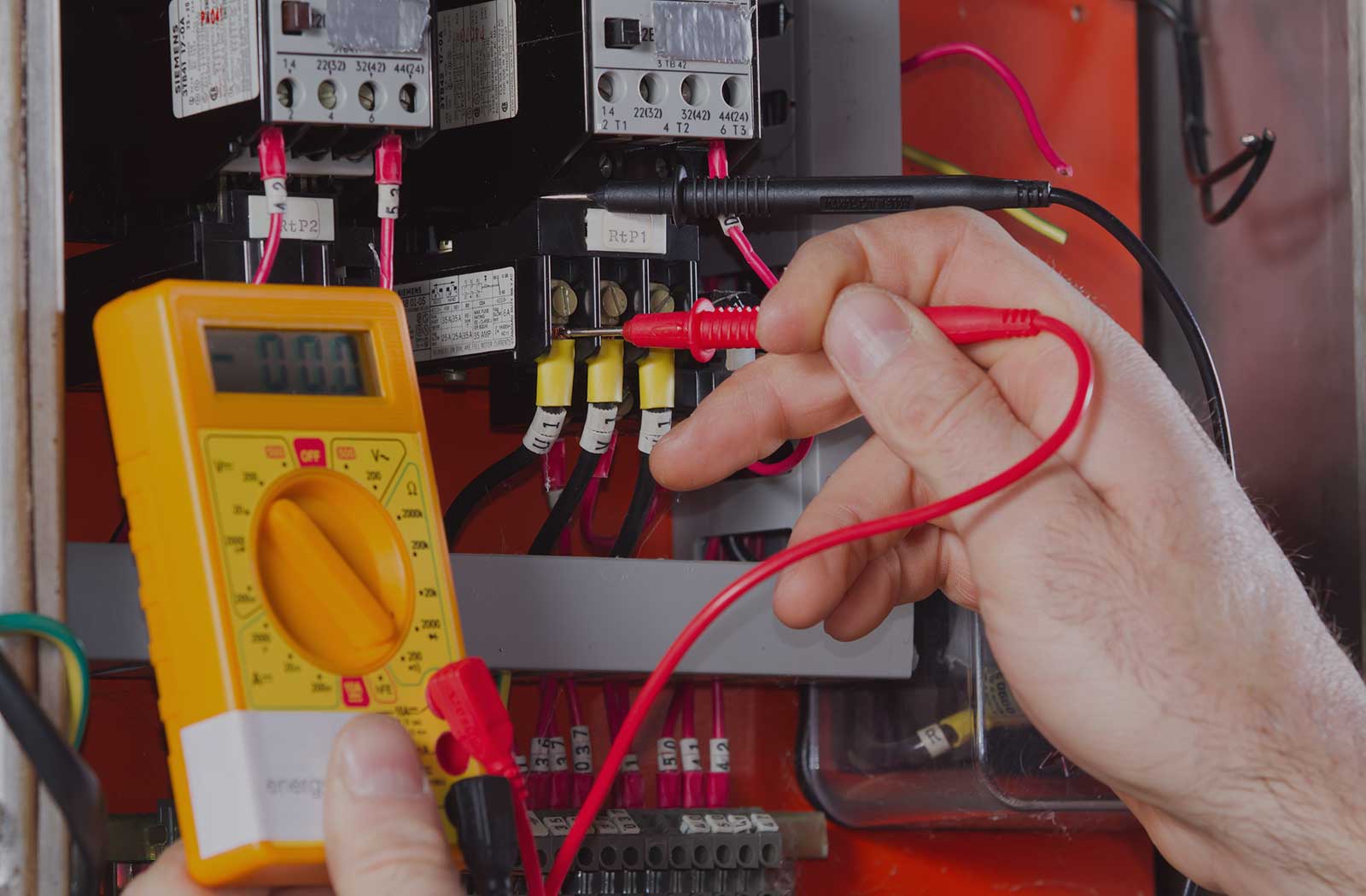
Why Is Electrical Safety Training Important?
Electricity is used in almost every industry, including manufacturing, construction, oil and gas, warehouses, commercial facilities, and offices. Unsafe electrical conditions can result in serious injuries, equipment damage, fires, production losses, and fatalities.
Effective training helps employees:
-
Recognize electrical hazards
-
Follow safe electrical work practices
-
Understand electrical shock risks
-
Use appropriate PPE
-
Follow isolation procedures
-
Report unsafe electrical conditions
-
Respond correctly to electrical emergencies
-
Reduce unsafe workplace behavior
Electrical Safety Training Topics
A comprehensive course should cover practical and job-specific Electrical safety training topics.
1. Electrical Hazard Identification
Employees learn to identify exposed wires, damaged cables, defective plugs, overloaded circuits, wet electrical areas, unsafe panels, and other electrical hazards.
2. Electric Shock and Electrocution
Training explains how electrical current can pass through the human body and cause shock, burns, serious injury, or death.
3. Arc Flash and Arc Blast Awareness
Workers should understand arc-flash hazards, potential consequences, safe approach practices, and the importance of appropriate protective measures.
4. Grounding and Bonding
Employees learn the purpose of grounding and bonding and why electrical systems must have appropriate protective paths.
5. Lockout/Tagout and Electrical Isolation
Training should explain how hazardous energy is isolated before maintenance, inspection, or repair. OSHA's electrical guidance also connects electrical safety with hazardous-energy control and safe work practices.
6. Safe Electrical Work Practices
Important practices include:
-
De-energizing equipment where required
-
Verifying electrical conditions
-
Maintaining safe distances
-
Using suitable electrical tools
-
Inspecting equipment before use
-
Keeping electrical areas clean and accessible
-
Following authorized work procedures
7. Personal Protective Equipment
Employees should understand the selection and correct use of task-specific PPE, such as insulating gloves, eye and face protection, protective footwear, and arc-rated clothing where required.
8. Emergency Response
Employees should know how to react to electrical shock, electrical fires, equipment failures, and other emergencies. Training should emphasize raising the alarm, following site emergency procedures, and obtaining appropriate assistance.
9. Electrical Equipment Inspection
Workers should be able to identify damaged cords, plugs, switches, portable tools, panels, and other equipment that needs reporting or removal from service.
10. Electrical Safety Rules and Responsibilities
Training should connect workplace procedures with applicable legal, organizational, and safety requirements. OSHA training guidance, for example, requires electrical safety-related training for employees exposed to certain electrical hazards.
Electrical Safety Training for Employees
Electrical safety training for employees should be based on their actual work activities and level of electrical exposure.
For General Employees
General employees may need awareness training covering:
-
Electrical hazard recognition
-
Safe use of electrical equipment
-
Damaged cable and plug identification
-
Avoiding unauthorized electrical repairs
-
Emergency reporting
-
Basic electrical fire awareness
For Maintenance and Electrical Personnel
Employees performing electrical maintenance may require more advanced training covering electrical isolation, testing, grounding, energized work hazards, PPE, electrical tools, and job-specific safe work procedures.
OSHA guidance distinguishes the training requirements for qualified and unqualified persons, with qualified persons requiring additional skills related to exposed energized parts, voltage determination, and clearance distances.
Free Electrical Safety Training: Is It Enough?
People often search for Free electrical safety training for basic workplace awareness or learning purposes.
Free resources can be useful for introductory knowledge, toolbox talks, and revision. However, organizations should check whether free content includes adequate assessment, practical instruction, job-specific information, trainer support, and documented completion.
For higher-risk electrical activities, training should be selected according to the actual hazards and responsibilities of the employees rather than simply choosing the lowest-cost option.
Electrical Safety Training Certificate
An Electrical safety training certificate provides documented evidence that a participant completed a particular training program.
A certificate should ideally include:
-
Participant name
-
Course title
-
Training date
-
Training duration
-
Training provider
-
Scope of training
-
Assessment or completion details
A certificate should not automatically be considered proof that a person is qualified to perform every type of electrical work. Competence and authorization depend on the person's training, skills, job responsibilities, workplace procedures, and applicable requirements.
The Safety Master's published electrical safety program includes certification and a training manual.
Benefits of Electrical Safety Training
For Employees
-
Better electrical hazard awareness
-
Improved safe work practices
-
Better understanding of PPE
-
Improved emergency preparedness
-
Reduced unsafe behavior
-
Greater confidence when identifying hazards
For Organizations
-
Stronger workplace safety culture
-
Better training documentation
-
Improved employee awareness
-
Reduction of preventable electrical incidents
-
Support for workplace safety procedures
-
Better control of electrical risks
Why Choose The Safety Master?
The Safety Master's published Electrical Safety Training program covers areas including electrical hazard recognition, effects of electrical shock, grounding techniques, safe electrical work practices, emergency response, protective equipment, and regulations. The published program is described as a 1–2 day Electrical Safety Training & Certification service.
The training can help organizations provide practical electrical safety knowledge to employees based on workplace hazards and job responsibilities.
How to Select the Right Electrical Safety Training
Before selecting a course, organizations should consider:
Course Content
Check whether the syllabus covers the electrical hazards employees actually face.
Trainer Experience
Consider the trainer's practical industry and safety experience.
Practical Application
Training should help employees apply electrical safety principles to real workplace situations.
Assessment and Certificate
Check whether participants are assessed and receive appropriate documentation after successful completion.
Workplace Customization
For industrial organizations, customized training can be more effective because it can address actual equipment, procedures, hazards, and emergency arrangements.
Conclusion
Electrical Safety Training should be an important part of workplace risk management wherever employees may be exposed to electrical equipment, installations, maintenance activities, or energized systems. From electrical hazard identification and PPE to grounding, isolation, emergency response, and safe work practices, effective training helps employees make safer decisions. The Safety Master provides practical Electrical Safety Training designed to strengthen employee awareness and improve workplace electrical safety.