Rigging Safety Training: Safe Lifting, Rigging Practices and Workplace Risk Prevention
Rigging Safety is essential for workplaces where cranes, hoists, slings, shackles, hooks, and other lifting equipment are used to move heavy materials. Improper rigging can lead to dropped loads, equipment damage, serious injuries, and fatalities. Proper training helps workers understand how to select, inspect, connect, lift, move, and lower loads safely.
The Safety Master provides professional safety training solutions designed to help organizations strengthen workplace safety practices and develop competent personnel. Rigging Safety training can help employees understand common lifting hazards, safe rigging techniques, equipment inspection, load handling, and emergency precautions.
What Is Rigging Safety?
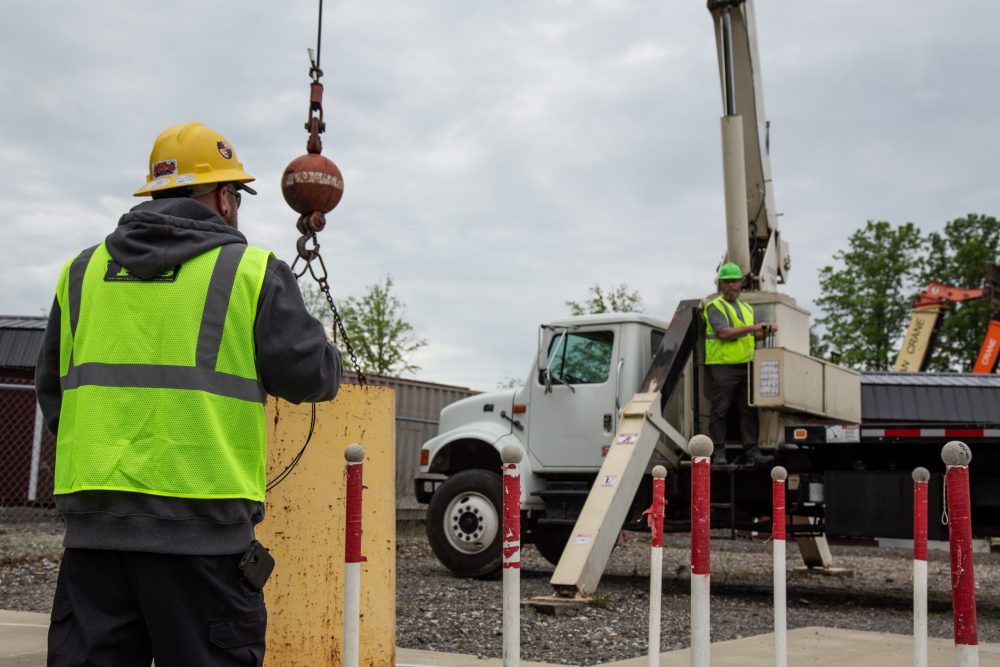
Rigging Safety refers to the safe planning and execution of lifting and load-handling activities using rigging equipment such as wire ropes, chain slings, web slings, shackles, hooks, and lifting accessories.
A safe rigging operation requires more than simply attaching a load to a crane. Workers must understand the load weight, center of gravity, lifting capacity, equipment condition, sling configuration, communication methods, and surrounding hazards before starting the lift.
Why Is Rigging Safety Important?
Unsafe rigging practices can cause:
- Dropped or uncontrolled loads
- Crushing and struck-by injuries
- Sling or lifting-accessory failure
- Crane and equipment damage
- Property damage
- Production delays
- Serious workplace accidents
A structured Rigging Safety program helps reduce these risks by improving worker competency and encouraging proper lifting procedures.
Objectives of Rigging Safety Training
The main objective of Rigging Safety training is to develop the knowledge and practical awareness required for safe lifting operations.
Key Training Objectives
Participants should learn how to:
- Identify common rigging hazards
- Select appropriate lifting equipment
- Inspect slings and lifting accessories
- Understand safe working load limits
- Recognize damaged or defective equipment
- Understand load weight and center of gravity
- Apply safe rigging techniques
- Maintain safe communication during lifting
- Prevent dropped-load incidents
- Follow workplace lifting procedures
Types of Rigging Equipment
Understanding different rigging equipment is an important part of safe lifting operations.
Wire Rope Slings
Wire rope slings are commonly used for lifting heavy loads. They should be inspected for broken wires, corrosion, kinking, crushing, and other signs of damage.
Web Slings
Web slings are lightweight and flexible lifting accessories. They must be protected from sharp edges, excessive heat, chemicals, and other conditions that may damage the material.
Chain Slings
Chain slings are commonly used for demanding lifting applications. Workers should check chains, hooks, connecting links, and identification markings before use.
Shackles
Shackles connect lifting components and help secure loads. The correct type and rated capacity must be selected for the intended lifting operation.
Hooks
Hooks must be inspected for deformation, cracks, excessive wear, and damaged safety latches before use.
Rigging Safety Inspection
Inspection is one of the most important parts of a safe lifting operation. Rigging equipment should be checked before use and removed from service when defects could affect its safe performance.
What Should Be Checked?
A rigging inspection may include checking for:
- Cuts and abrasions
- Broken wires
- Corrosion
- Kinks and deformation
- Excessive wear
- Cracked components
- Damaged hooks
- Missing identification
- Distorted shackles
- Damaged safety latches
Defective equipment should be clearly identified and prevented from being used until it has been appropriately evaluated or replaced.
Safe Rigging Practices
Following a systematic lifting procedure can significantly reduce the possibility of accidents.
Plan the Lift
Before lifting, determine the load weight, dimensions, center of gravity, lifting points, travel path, and required equipment.
Select the Correct Equipment
Choose slings, shackles, hooks, and other accessories according to the load and the manufacturer's rated capacity.
Inspect Before Use
Always inspect lifting accessories before starting the job. Never use equipment that appears damaged or unsuitable.
Secure the Load
The load should be properly balanced and secured before lifting. Personnel should ensure that the lifting arrangement is stable.
Maintain Clear Communication
The lifting team should establish clear communication signals before beginning the operation. Only authorized personnel should direct the lifting activity where applicable.
Keep People Away From Suspended Loads
Workers should never stand or work beneath a suspended load. Barricading and exclusion zones should be used where necessary.
Common Rigging Safety Hazards
Rigging operations can involve several hazards if they are not properly planned.
Overloading
Using equipment beyond its rated capacity can cause equipment failure and load drops.
Improper Sling Selection
Selecting the wrong sling type, size, or configuration can compromise lifting safety.
Damaged Rigging Equipment
Using worn, cut, corroded, or deformed equipment increases the likelihood of failure.
Unbalanced Loads
An incorrectly balanced load can swing, tilt, or shift unexpectedly during lifting.
Poor Communication
Miscommunication between the operator, rigger, and signal person can result in unexpected load movement.
Working Under Suspended Loads
Standing beneath a suspended load exposes workers to severe injury if the load or rigging system fails.
Role of a Competent Rigger
A competent rigger should have sufficient knowledge, training, and experience to recognize hazards associated with rigging and lifting activities.
Responsibilities of a Rigger
A rigger may be responsible for:
- Inspecting lifting accessories
- Selecting appropriate rigging equipment
- Connecting loads correctly
- Checking load stability
- Communicating with the lifting team
- Maintaining safe exclusion zones
- Identifying unsafe conditions
- Stopping work when conditions become unsafe
Rigging Safety Training for Different Industries
Rigging Safety is relevant across industries where lifting and material-handling operations are performed.
Construction Industry
Construction sites frequently use cranes and lifting accessories to move structural materials, machinery, pipes, and other heavy loads.
Oil and Gas Industry
Rigging operations are common during equipment installation, maintenance, shutdowns, and material handling.
Manufacturing Industry
Manufacturing facilities may require rigging for machinery installation, maintenance, equipment movement, and heavy material handling.
Warehousing and Logistics
Heavy and oversized materials may require specialized lifting and rigging arrangements.
Benefits of Rigging Safety Training
Effective training can provide several workplace benefits.
Reduces Accident Risk
Employees become more aware of lifting hazards and appropriate control measures.
Improves Worker Competency
Training helps workers understand correct rigging methods and equipment limitations.
Protects Equipment and Materials
Proper lifting practices reduce the likelihood of dropped loads and equipment damage.
Supports Safety Compliance
A structured training program helps organizations establish documented competency and safe work practices.
Builds a Safety Culture
Consistent training encourages employees to identify hazards and stop unsafe lifting activities before an incident occurs.
Rigging Safety Training by The Safety Master
The Safety Master provides industrial safety training solutions covering areas such as Rigging Safety, material handling, work at height, electrical safety, scaffolding safety, forklift safety, and other workplace safety subjects.
A well-designed Rigging Safety training program can help organizations improve worker awareness, strengthen lifting procedures, and reduce risks associated with cranes and lifting accessories.