Smart Safety Is Profitable Safety – The Safety Master

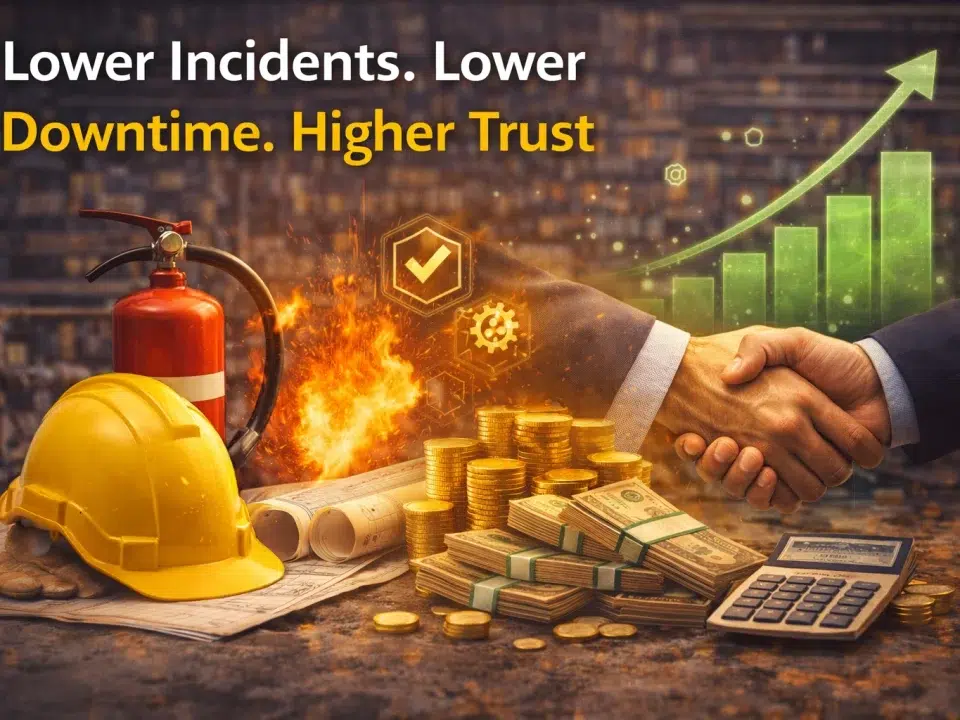
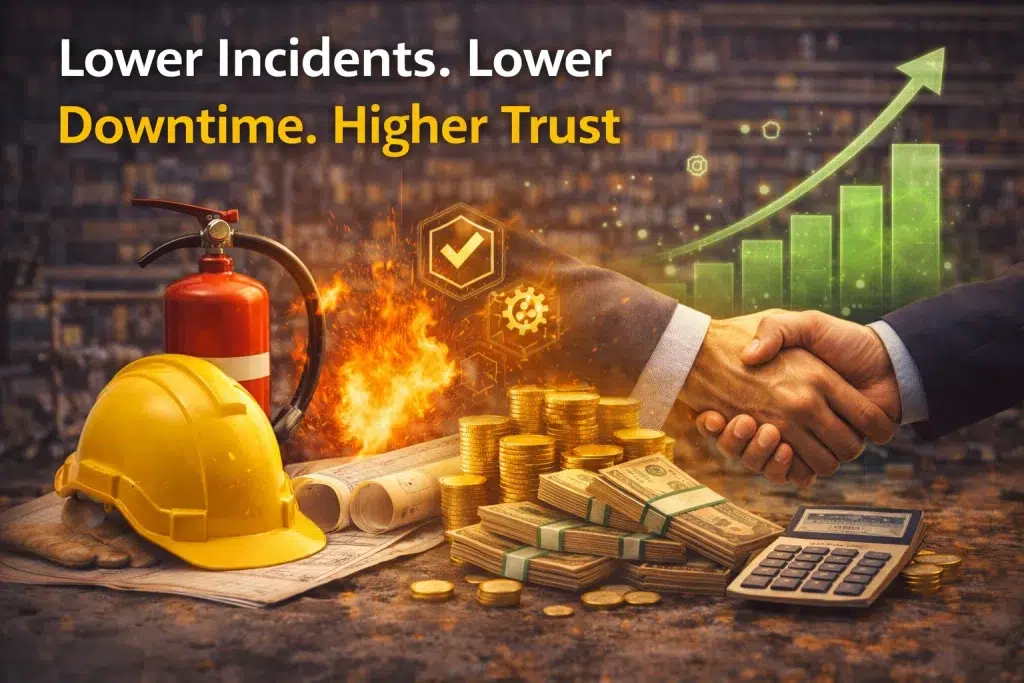
Lower Incidents. Lower Downtime. Higher Trust
March 23, 2026
World-Class Safety Solutions for World-Class Operations
March 26, 2026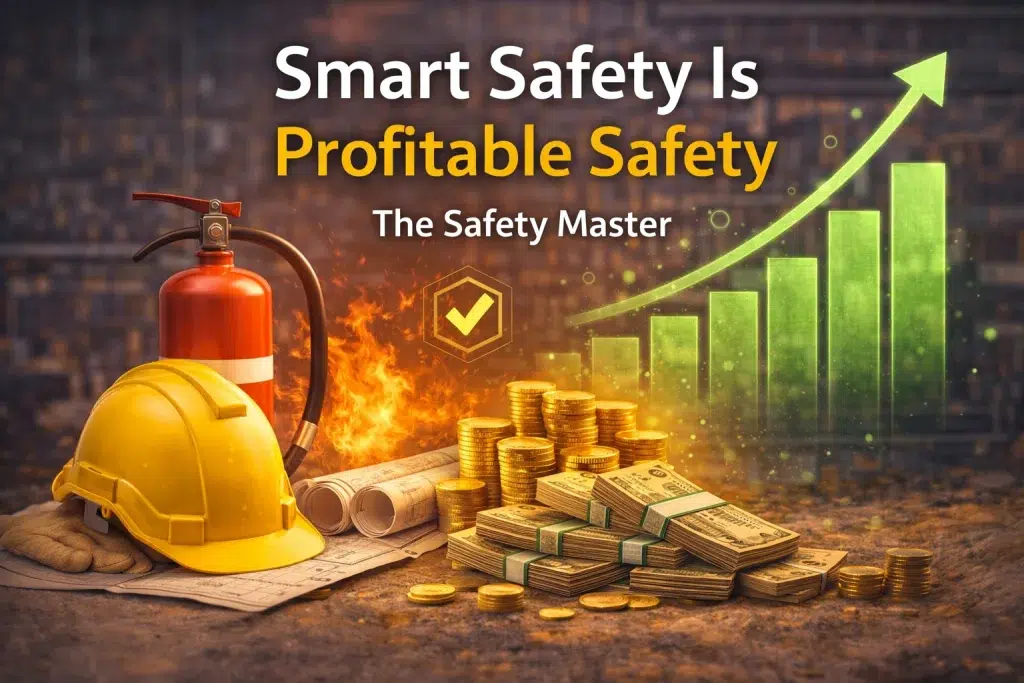
Why Safety and Profit Are Not Opposites
Many organizations still treat safety and profitability as competing priorities. Safety is often seen as an expense, while profit is considered the primary goal. In reality, this thinking is flawed. Smart safety practices do not reduce profits—they protect and improve them.
When safety systems are implemented effectively, they reduce incidents, minimize downtime, and improve operational efficiency. These outcomes directly contribute to financial performance. Smart safety is not about spending more; it is about spending wisely to prevent losses and improve stability.
The Real Cost of Unsafe Operations
Unsafe operations create both visible and hidden costs. Visible costs include medical expenses, equipment repairs, and regulatory penalties. Hidden costs, however, are often much higher. These include production delays, project disruptions, loss of client trust, and increased insurance premiums.
Even a single major incident can result in losses running into crores. When compared to these potential losses, investments in safety systems become far more economical.
Organizations that ignore safety risks often end up paying significantly more in the long run.
Smart Safety Focuses on Prevention, Not Reaction
Reactive safety management focuses on responding to incidents after they occur. This approach leads to repeated disruptions and ongoing financial losses. Smart safety, on the other hand, focuses on identifying and controlling risks before they escalate.
Structured risk analysis methods such as a Hazop Study help organizations identify potential process deviations that could lead to incidents. By addressing these risks early, companies can prevent costly disruptions and maintain smooth operations.
Prevention reduces uncertainty and allows organizations to operate with greater confidence.
Fire Safety as a Financial Safeguard
Fire incidents can cause severe financial damage due to equipment loss, operational shutdowns, and recovery costs. Many fire hazards develop gradually due to poor maintenance, electrical faults, or improper storage practices.
A structured Fire Audit helps identify these vulnerabilities before they result in incidents. By ensuring that fire detection systems, suppression equipment, and emergency procedures are functioning properly, organizations can avoid major losses.
Investing in fire safety is one of the most effective ways to protect both people and assets.
Strengthening Systems Through Continuous Evaluation
Safety systems must evolve with changing operations. Equipment upgrades, process modifications, and workforce changes can introduce new risks. Without regular evaluation, these risks may remain unnoticed.
A comprehensive Safety Audit provides a structured review of workplace conditions, operational practices, and compliance with safety standards. These evaluations help identify gaps and ensure that safety systems remain effective.
Continuous evaluation supports long-term efficiency and risk control.
Managing Complex Operations Efficiently
Industries involving complex processes require disciplined safety management. Chemical reactions, high-pressure systems, and automated machinery can create hazardous conditions if not properly controlled.
Frameworks such as Process Safety Management provide structured approaches for managing these risks. By integrating hazard identification, operational monitoring, and incident prevention into daily activities, organizations can maintain safe and efficient operations.
Effective process management reduces both risk and operational costs.
Reducing Downtime Improves Profitability
Downtime is one of the biggest contributors to financial loss in industrial operations. Incidents disrupt workflows, delay production, and require time for investigation and recovery.
Smart safety systems reduce downtime by preventing incidents before they occur. Equipment remains operational, processes remain stable, and employees can focus on productivity without interruptions.
Consistent operations lead to improved output and better financial performance.
The Role of Employee Awareness
Employees play a critical role in maintaining safety. Workers who understand safety procedures and recognize potential hazards can prevent incidents before they occur.
Training programs improve awareness and help employees respond effectively to risks. Encouraging workers to report near misses and unsafe conditions increases hazard visibility.
When employees are actively engaged in safety initiatives, organizations benefit from early risk detection and improved efficiency.
Data-Driven Safety Decisions
Modern safety management relies on data to improve performance. Incident reports, maintenance records, and inspection findings provide valuable insights into workplace conditions.
Analyzing this data helps organizations identify trends and implement targeted improvements. For example, recurring equipment failures may indicate maintenance issues, while frequent near misses may highlight procedural gaps.
Data-driven decision making reduces uncertainty and supports proactive safety management.
Building Trust Through Smart Safety
Consistent safety performance builds trust. Employees trust organizations that prioritize their well-being. Clients trust companies that deliver reliable results without disruptions. Stakeholders trust businesses that demonstrate stability and accountability.
Frequent incidents can damage this trust quickly. On the other hand, strong safety performance reinforces credibility and confidence.
Trust is an important factor in long-term business success.
Long-Term Benefits of Smart Safety
Smart safety systems provide long-term benefits that extend beyond incident prevention. Organizations experience improved productivity, lower operational costs, and stronger regulatory compliance.
Insurance premiums may decrease as risk exposure is reduced. Clients and partners are more likely to work with companies that demonstrate strong safety performance.
These benefits contribute to sustainable growth and long-term profitability.
Conclusion: Safety That Drives Profit
Smart safety is profitable safety. By focusing on prevention, continuous improvement, and employee engagement, organizations can reduce risks and improve operational efficiency.
Safety should not be viewed as a cost but as an investment that protects resources and enhances performance. When implemented effectively, safety systems generate measurable returns by preventing losses, reducing downtime, and building trust.
Organizations that adopt smart safety practices are better positioned to achieve both safety and financial success.