Ready for the Next Audit? Or the Next Incident?

Is Your Plant Truly Safe — Or Just Compliant?
April 7, 2026
Let’s Fix Safety Before It Fails You
April 17, 2026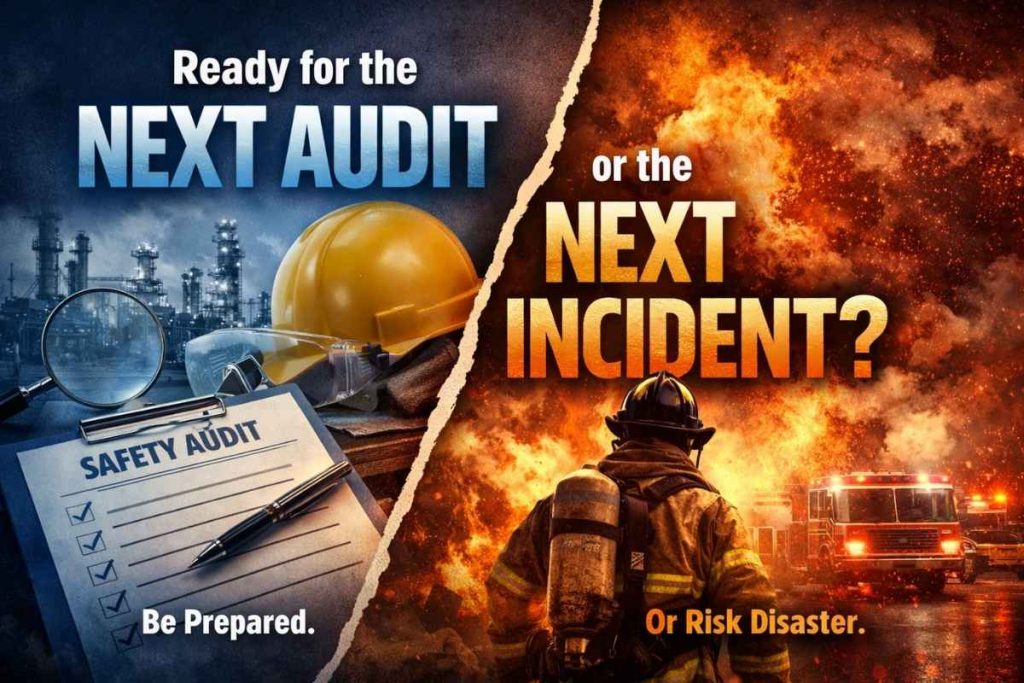
Most businesses don’t think about safety until something goes wrong. That’s the uncomfortable truth. Audits get postponed, training gets delayed, and risk assessments are treated like paperwork instead of what they really are—early warning systems.
So the real question is not whether your organization needs safety measures. It’s this: are you preparing for the next audit, or reacting to the next incident?
That difference decides whether you stay compliant or face costly disruptions, legal issues, or worse—loss of life.
Why Waiting Is a Risk You Can’t Afford
Let’s be direct. If your safety strategy only kicks in before inspections, you’re already behind. Audits are not the goal. They’re checkpoints. Incidents don’t happen because of one big mistake; they happen because of small ignored risks piling up over time.
Think about common workplace issues:
- Unchecked equipment
- Poorly trained staff
- Outdated safety protocols
- Lack of emergency preparedness
None of these look dangerous on a normal day. But combine them under pressure, and they turn into serious incidents.
A proactive safety culture eliminates these risks before they escalate.
Audits vs Incidents: The Cost Difference
An audit might cost you time and resources. An incident costs you everything—reputation, operations, finances, and sometimes lives.
Let’s break it down:
Audit Preparation Costs
- Safety inspections
- Compliance documentation
- Staff training
- Equipment upgrades
Incident Costs
- Medical expenses
- Legal penalties
- Operational shutdown
- Brand damage
- Employee trust loss
If you compare both, audits are an investment. Incidents are a penalty.
The Role of Preventive Safety Systems
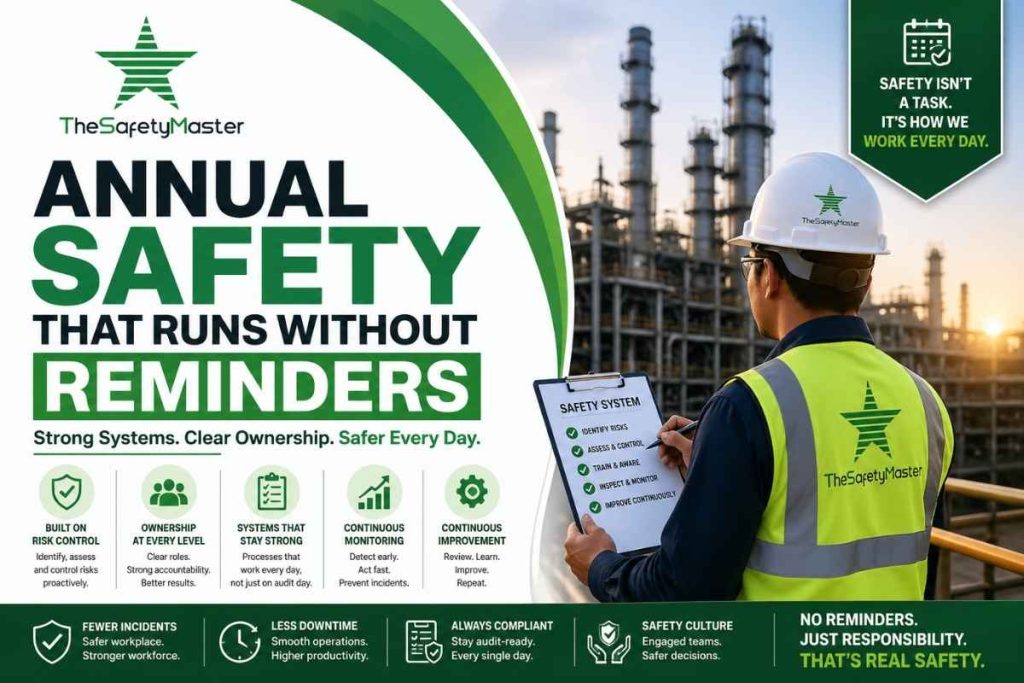
Strong safety systems are not built overnight. They require structured planning, continuous monitoring, and proper training.
Here’s what a proactive organization focuses on:
Risk Identification Before It Becomes a Problem
Every workplace has hazards. The difference lies in whether you identify them early or deal with the consequences later.
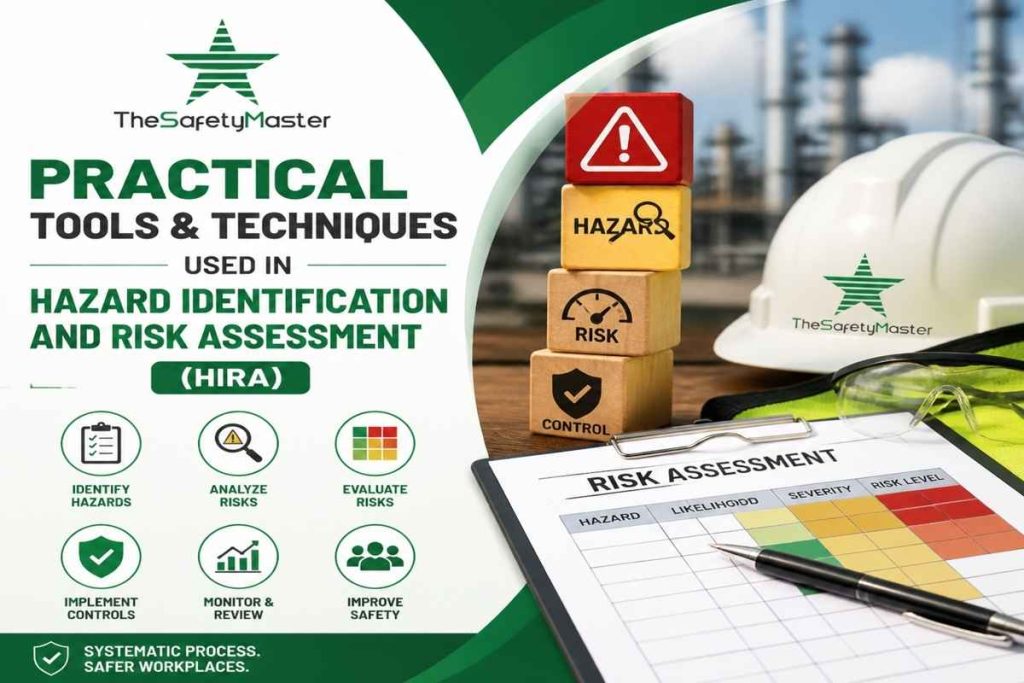
Structured methodologies like HAZOP Training help teams analyze processes, identify deviations, and prevent failures before they occur. If your team lacks this analytical approach, you’re relying on luck more than systems.
To build this capability, organizations invest in specialized programs like HAZOP Training, which equips professionals to detect and mitigate risks at the process level.
Fire Safety Is Not Optional
Fire incidents are among the most common yet preventable workplace disasters. And still, many organizations treat fire safety like a checklist item.
A proper Fire Audit does more than check extinguishers. It evaluates:
- Fire detection systems
- Emergency exits
- Electrical safety
- Staff readiness
- Evacuation plans
Skipping this step is not saving money. It’s gambling with safety.
The Gap Between Compliance and Real Safety
Here’s where many companies fool themselves.
They pass audits. They have certificates. Everything looks fine on paper.
But ask yourself:
- Are employees actually trained or just certified?
- Are safety drills taken seriously or rushed?
- Are reports reviewed or just filed?
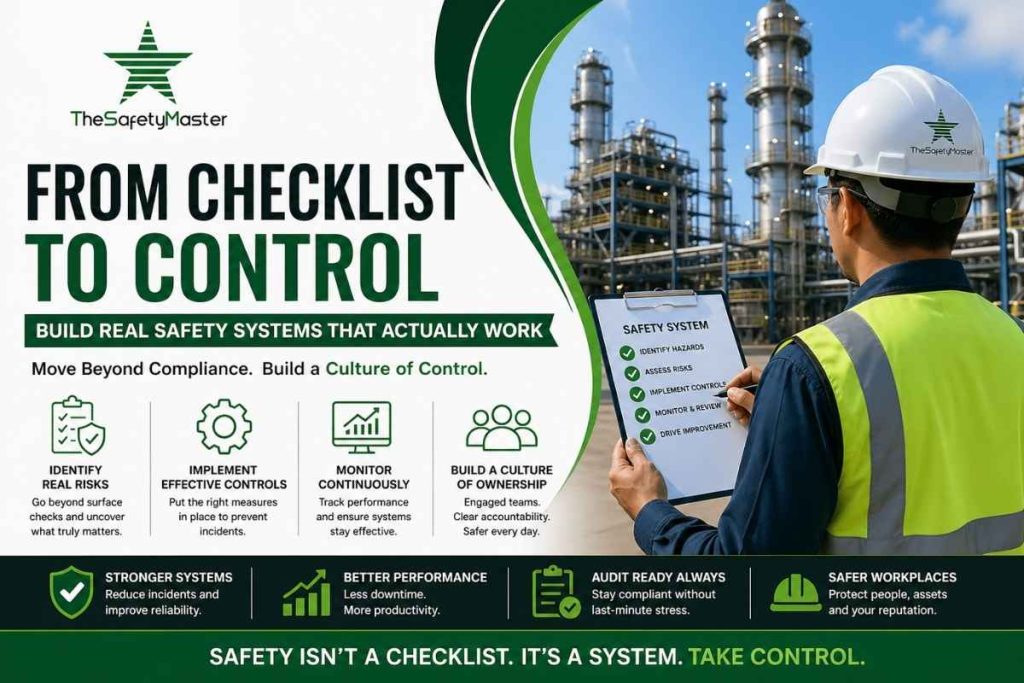
Compliance is about meeting minimum requirements. Safety is about going beyond them.
Organizations that only aim for compliance stay vulnerable.
Training: The Most Underrated Safety Investment
You can install the best systems, but if your people don’t know how to respond, it’s useless.
Training is not a one-time activity. It needs to be:
- Continuous
- Practical
- Scenario-based
Employees should know exactly what to do in real situations, not just in theory.
When teams are trained properly:
- Response time improves
- Panic reduces
- Damage is controlled faster
That’s the difference between a near-miss and a disaster.
Leadership’s Role in Safety Culture
Let’s be blunt. If leadership doesn’t prioritize safety, no one else will.
Safety culture starts at the top. When leaders:
- Take audits seriously
- Invest in training
- Act on safety reports
…it sends a clear message across the organization.
On the flip side, when leadership treats safety as a formality, employees follow the same mindset.
You can’t delegate responsibility for safety culture. You have to lead it.
Common Mistakes That Lead to Incidents
Most incidents are predictable. Here are the patterns you should watch out for:
Ignoring Small Warnings
Minor issues like leaks, sparks, or unusual sounds are often ignored. These are early signals, not inconveniences.
Overconfidence in Existing Systems
Just because something worked before doesn’t mean it will always work. Systems degrade, and risks evolve.
Lack of Regular Audits
Skipping routine audits creates blind spots. Problems stay hidden until they become emergencies.
Poor Communication
If employees don’t feel comfortable reporting hazards, risks remain unaddressed.
Fix these, and you eliminate a major portion of potential incidents.
Building a Proactive Safety Strategy
If you want to move from reactive to proactive, focus on these steps:
1. Conduct Regular Risk Assessments
Don’t wait for audits. Schedule internal reviews and identify vulnerabilities consistently.
2. Invest in Specialized Training
Equip your team with real skills, not just certifications.
3. Perform Comprehensive Audits
Go beyond surface-level checks. Look at systems, processes, and human behavior together.
4. Create Clear Emergency Protocols
Every employee should know:
- What to do
- Where to go
- Who to report to
5. Monitor and Improve Continuously
Safety is not a one-time setup. It’s an ongoing process.
Are You Actually Prepared?
Here’s a simple reality check.
If an incident happens tomorrow:
- Do your employees know how to respond?
- Are your systems reliable?
- Can your operations recover quickly?
If you hesitate even for a second, you’re not fully prepared.
And that’s exactly why proactive safety matters.
Final Thought
You don’t get to choose whether risks exist. Every workplace has them.
But you do get to choose how you respond.
You can either prepare through audits, training, and systems…
Or wait for an incident to force your hand.
One builds resilience. The other brings consequences.
So ask yourself honestly: are you getting ready for the next audit, or the next incident?