World-Class Safety Solutions for World-Class Operations

Smart Safety Is Profitable Safety – The Safety Master
March 24, 2026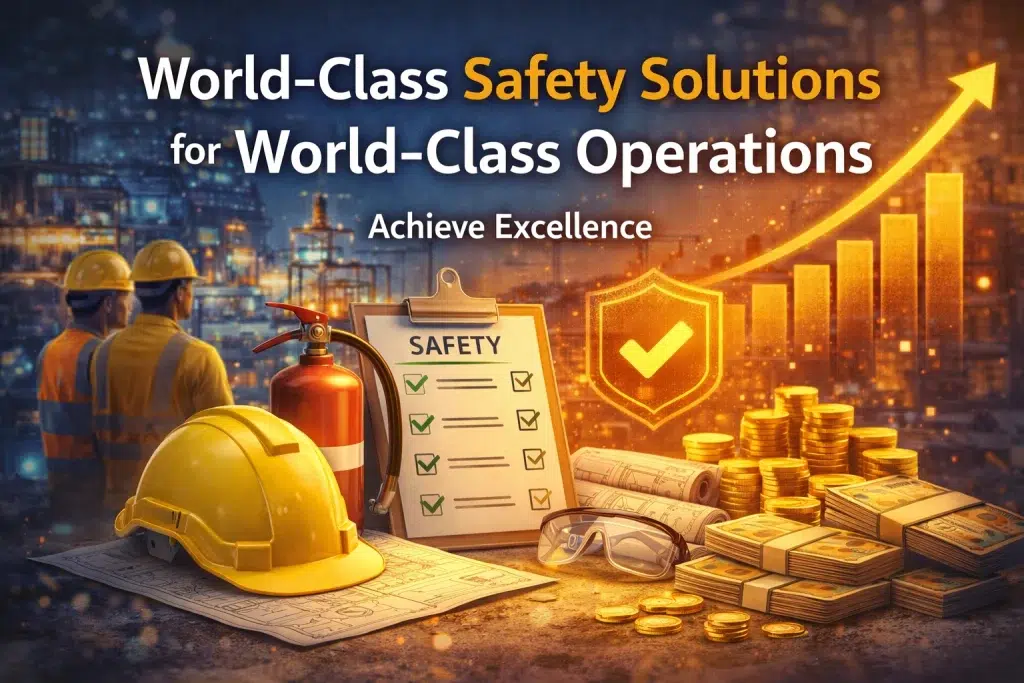
Why World-Class Operations Demand Advanced Safety Systems
World-class operations are defined by consistency, reliability, and efficiency. Organizations that aim for high performance cannot afford frequent disruptions, safety incidents, or compliance failures. Safety is not a separate function in such environments—it is integrated into every operational decision.
Advanced safety systems support this integration by ensuring that risks are identified early, processes are controlled effectively, and employees are prepared to respond to potential hazards. Without structured safety frameworks, even the most efficient operations can face unexpected setbacks.
World-class performance requires safety systems that are equally advanced and reliable.
The Link Between Safety and Operational Excellence
Operational excellence depends on stability. When systems run without interruptions, productivity improves, deadlines are met, and quality standards are maintained. Safety plays a key role in maintaining this stability.
Incidents disrupt workflows, damage equipment, and reduce workforce efficiency. Even minor safety issues can cause delays that impact production schedules. By implementing strong safety measures, organizations reduce the likelihood of such disruptions.
This direct relationship between safety and performance makes safety systems essential for achieving operational excellence.
Proactive Risk Identification as a Foundation
World-class safety systems focus on prevention rather than reaction. Identifying hazards before they lead to incidents is the most effective way to maintain safe and stable operations.
Structured training programs such as HAZOP Training help professionals understand how to analyze process deviations and identify potential risks. By applying these analytical techniques, organizations can evaluate complex operations and detect vulnerabilities early.
Proactive risk identification ensures that hazards are controlled before they escalate into operational disruptions.
Fire Safety as a Critical Component
Fire risks remain one of the most significant threats to industrial and commercial operations. A single fire incident can result in severe financial loss, operational downtime, and safety concerns.
A structured Fire Safety Audit helps organizations evaluate fire detection systems, suppression equipment, emergency preparedness, and evacuation procedures. These audits identify vulnerabilities that may not be visible during routine operations.
By addressing these risks early, organizations can prevent fire incidents and maintain operational continuity.
Integrating Safety into Daily Operations
World-class safety solutions are not limited to policies and procedures. They are embedded into daily operations. Employees follow safety practices as part of their routine tasks, and safety considerations are included in decision-making processes.
This integration requires clear communication, structured training, and consistent monitoring. When safety becomes part of everyday operations, it reduces reliance on external enforcement and improves overall compliance.
Operational discipline and safety awareness work together to create stable and efficient environments.
Leveraging Technology for Better Visibility
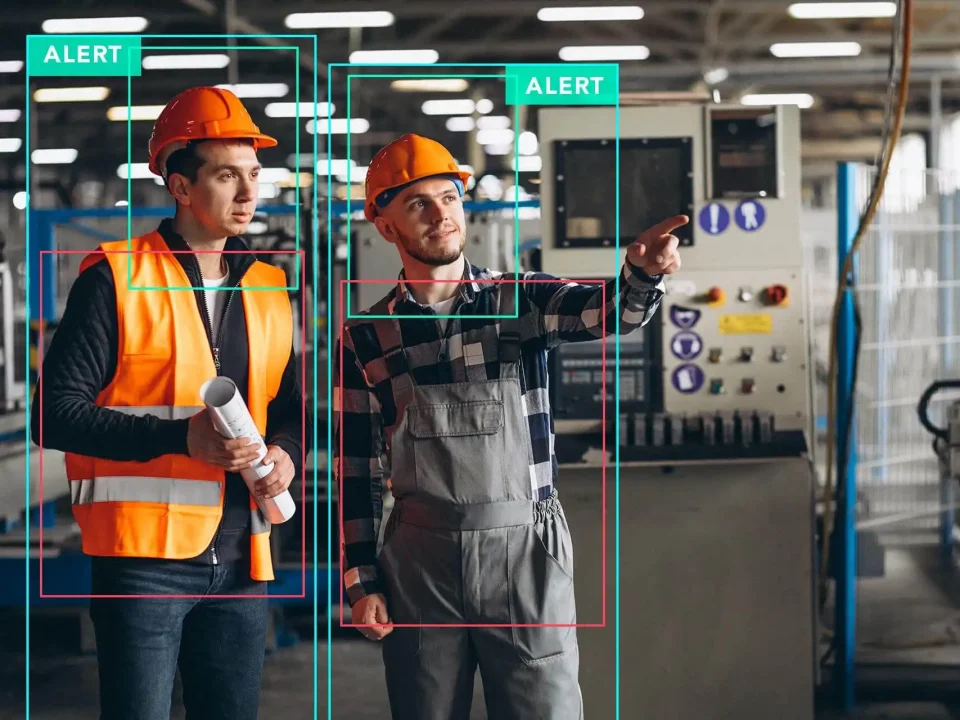
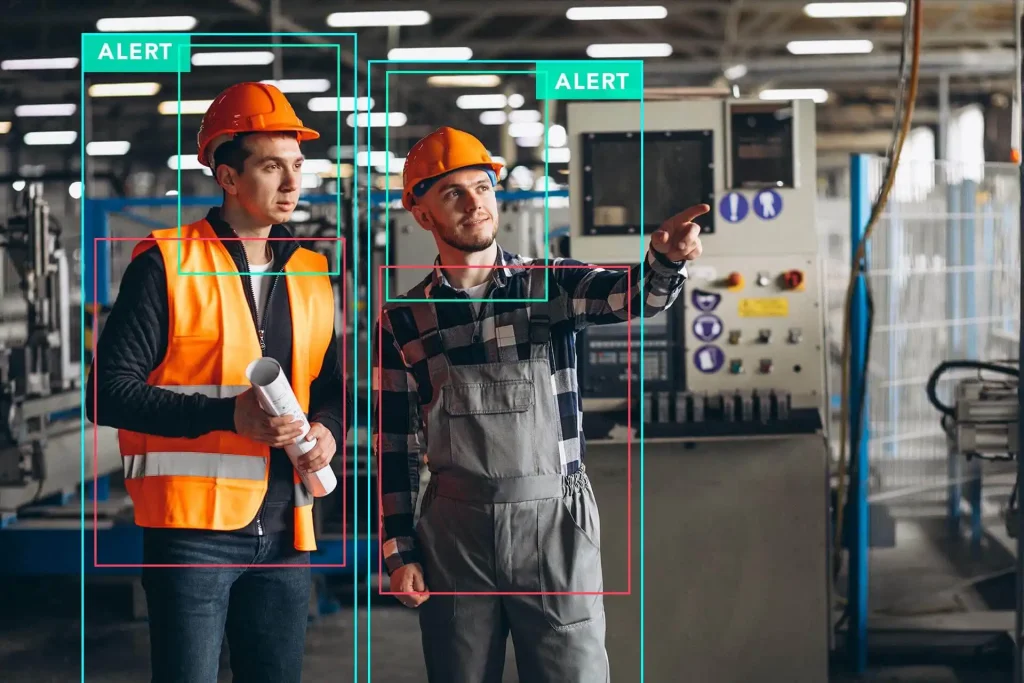
Modern safety systems increasingly rely on technology to improve risk visibility. Sensors, monitoring systems, and digital dashboards provide real-time data on equipment performance and environmental conditions.
These tools help organizations detect abnormal conditions early and take corrective action before incidents occur. For example, temperature monitoring systems can identify overheating equipment, while gas detection systems can alert teams to potential leaks.
Technology enhances safety by providing accurate and timely information, enabling faster decision-making.
Employee Training and Competency Development
A critical aspect of world-class safety systems is employee competency. Workers must understand not only safety procedures but also the reasoning behind them. Training programs help employees recognize hazards, follow protocols, and respond effectively during emergencies.
Continuous learning ensures that employees remain updated on safety practices and regulatory requirements. When workers are well-trained, they contribute to both safety and operational efficiency.
Competency development strengthens the overall safety framework.
Data-Driven Decision Making
World-class operations rely on data to guide decision-making. Safety systems generate valuable data through incident reports, inspections, and monitoring tools. Analyzing this data helps organizations identify patterns and trends.
For example, repeated equipment issues may indicate maintenance gaps, while frequent near misses may highlight procedural weaknesses. Addressing these patterns improves both safety and efficiency.
Data-driven insights enable organizations to implement targeted improvements rather than relying on assumptions.
Building a Strong Safety Culture
Safety culture is a defining characteristic of world-class organizations. A strong safety culture encourages employees to report hazards, follow procedures, and participate in safety initiatives.
Leadership plays a key role in shaping this culture. When management prioritizes safety and responds promptly to concerns, employees are more likely to engage in safety practices.
A positive safety culture supports long-term stability and continuous improvement.
Continuous Improvement for Sustained Performance
World-class safety systems are not static. They evolve with changing operations, new technologies, and emerging risks. Continuous improvement ensures that safety measures remain effective over time.
Regular evaluations, training updates, and system upgrades help organizations adapt to new challenges. This approach ensures that safety systems remain aligned with operational goals.
Continuous improvement strengthens both safety and performance.
Long-Term Benefits of World-Class Safety Solutions
Organizations that invest in advanced safety systems experience long-term benefits. These include reduced incident rates, improved productivity, lower operational costs, and stronger stakeholder confidence.
Reliable safety performance enhances reputation and builds trust with clients and partners. It also supports regulatory compliance and reduces the likelihood of legal or financial penalties.
These benefits contribute to sustainable growth and operational success.
Conclusion: Safety as a Driver of Excellence
World-class safety solutions are essential for achieving world-class operations. By focusing on proactive risk identification, employee training, technology integration, and continuous improvement, organizations can create safer and more efficient environments.
Safety is not just about preventing incidents—it is about enabling consistent performance, protecting resources, and building trust. When safety systems are implemented effectively, they become a foundation for long-term operational excellence.