EHS Management System for Safer, Compliant and Efficient Workplaces
An effective EHS Management System helps organizations manage Environment, Health and Safety activities in a structured and efficient way. It brings important safety information, inspections, risk assessments, incidents, compliance activities, training records and corrective actions into one organized system.
For organizations working in manufacturing, construction, oil and gas, pharmaceuticals, chemicals and other high-risk industries, proper EHS management is important for controlling workplace risks and maintaining compliance. The Safety Master provides safety-focused solutions that help organizations improve their EHS processes, monitor performance and build a stronger safety culture.
What is an EHS Management System?
An EHS Management System is a structured approach for managing environmental, health and safety responsibilities within an organization. It helps safety teams identify hazards, assess risks, record incidents, monitor compliance and track corrective actions.
A digital EHS system can reduce dependence on manual records and make safety information easier to access. Teams can use centralized data to monitor inspections, audits, observations, incidents and action items.
An effective system can support:
- Workplace safety management
- Environmental compliance
- Health and safety monitoring
- Risk assessment
- Incident and near-miss reporting
- Safety inspections and audits
- Corrective and preventive actions
- Safety training records
- Compliance tracking
- Safety performance reporting
Why an EHS Management System is Important
Managing EHS activities through spreadsheets, paper forms and separate records can make it difficult to maintain accurate information. Important actions may be missed, reports can take more time, and management may not have a clear view of current safety performance.
An EHS Management System provides a more organized approach by connecting different safety activities. It can help organizations identify problems earlier, assign responsibilities and monitor whether corrective actions are completed.
Better Workplace Risk Management
Risk assessment is an important part of EHS management. A digital system can help teams record hazards, evaluate risks and track the controls used to reduce those risks.
Centralized Safety Information
Safety records can be maintained in one place instead of being distributed across multiple files. This makes it easier for safety managers and management teams to access relevant information.
Faster Safety Reporting
Digital reporting can reduce manual work. Safety teams can record inspections, incidents and observations and generate reports based on available data.
Improved Accountability
Corrective actions can be assigned to responsible employees or departments with defined deadlines. This helps organizations monitor open and completed actions.
Key Features of an EHS Management System
A modern EHS platform should support the major activities involved in workplace safety and compliance.
EHS Audit and Inspection Management
Organizations can plan and manage safety audits and inspections using digital checklists. Findings can be recorded, assigned and followed until closure.
Risk Assessment and Hazard Management
The system can support hazard identification and risk assessment activities. Teams can record identified hazards, risk levels, existing controls and required additional actions.
Incident and Near-Miss Reporting
Workplace incidents and near misses should be recorded quickly and accurately. Digital reporting can help organizations maintain records and identify recurring safety issues.
Corrective and Preventive Action Tracking
Findings from audits, inspections and incidents can be converted into corrective actions. Responsible persons and deadlines can be assigned for better follow-up.
Compliance Management
An EHS system can help organizations organize compliance requirements, responsibilities, documents and action status. This supports better visibility of compliance activities.
Safety Training Management
Employee training information can be organized and monitored. Organizations can maintain records of completed training, upcoming training and employee competency requirements.
Dashboards and Reports
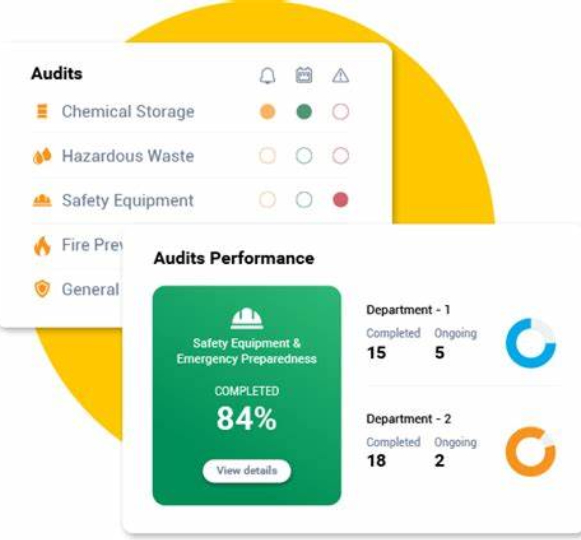
Management dashboards can bring important EHS information together. Reports may include incidents, near misses, inspections, audit findings, corrective actions and safety performance indicators.
Mobile Safety Management
Field teams often need to record information directly from the workplace. Mobile-friendly EHS solutions can make it easier to complete inspections, report incidents and update actions from the field.
Benefits of an EHS Management System
An effective system can provide several benefits to organizations.
Improved Safety Performance
Better visibility of hazards, incidents and corrective actions can help safety teams focus on areas that require attention.
Reduced Manual Work
Digital workflows can reduce paperwork and repetitive data entry. This allows safety professionals to spend more time on prevention and improvement activities.
Better Data Accuracy
Centralized records can make EHS information easier to maintain and review. Consistent data also supports more reliable reporting.
Stronger Compliance Management
Organizations can maintain compliance-related information and monitor outstanding actions in a structured manner.
Better Management Decisions
Accurate EHS data gives management better visibility into workplace performance and recurring safety issues.
Continuous Safety Improvement
Regular monitoring of inspections, incidents, observations and corrective actions can support continuous improvement in workplace safety.
EHS Management System for Different Industries
An EHS Management System can be used across many industries where workplace safety, environmental performance and compliance are important.
Manufacturing
Manufacturing organizations can manage inspections, machine safety, workplace hazards, incidents, employee training and corrective actions.
Construction
Construction companies can use EHS systems for site inspections, work-at-height safety, contractor safety, observations, incidents and corrective actions.
Oil and Gas
High-risk oil and gas operations can use structured EHS processes to monitor hazards, incidents, inspections, audits and compliance requirements.
Chemical and Pharmaceutical Industries
Chemical and pharmaceutical facilities can manage safety inspections, process-related risks, training, incidents and environmental activities through organized EHS workflows.
Warehousing and Logistics
Warehouses and logistics operations can monitor workplace inspections, material handling risks, vehicle safety, incidents and employee safety activities.
How The Safety Master Supports EHS Management
The Safety Master supports organizations with safety consultancy, audits, training, risk management and digital safety solutions. Its service portfolio includes workplace safety, HIRA studies, ISO 45001, environmental management, safety audits and digital solutions such as safety audit software and dashboards.
An EHS Management System can be integrated into a broader safety improvement program so that organizations can manage safety information, identify risks and monitor actions more effectively.
The right approach depends on the organization's industry, workforce size, operational risks, compliance requirements and existing safety processes.
Build a Stronger EHS Management Process
A structured EHS process helps organizations move from reactive safety management toward continuous monitoring and improvement. By combining risk assessment, inspections, incident reporting, compliance management, training and corrective action tracking, companies can create a more connected approach to workplace safety.
With the right EHS Management System, organizations can improve visibility, organize safety information and support better EHS decision-making. The Safety Master can help organizations strengthen their safety management practices through professional EHS solutions, consultancy, training and digital safety tools.