
Electrical Residual Life Assessment for Equipment: Importance, Process and Benefits
Electrical equipment is an important part of every industrial plant, commercial facility, manufacturing unit, power system, and infrastructure project. Transformers, switchgear, circuit breakers, cables, motors, generators, and other electrical assets operate continuously and are exposed to electrical, thermal, mechanical, and environmental stresses.
As equipment becomes older, its performance and reliability can gradually change. Electrical Residual Life Assessment helps organizations evaluate the present condition of electrical equipment and estimate its remaining useful service life.
A proper assessment can support better maintenance planning, reduce unexpected failures, improve electrical safety, and help management make informed decisions about repair, replacement, or continued operation.
The Safety Master provides safety and electrical assessment solutions to help organizations identify equipment-related risks and improve the reliability of critical electrical systems.
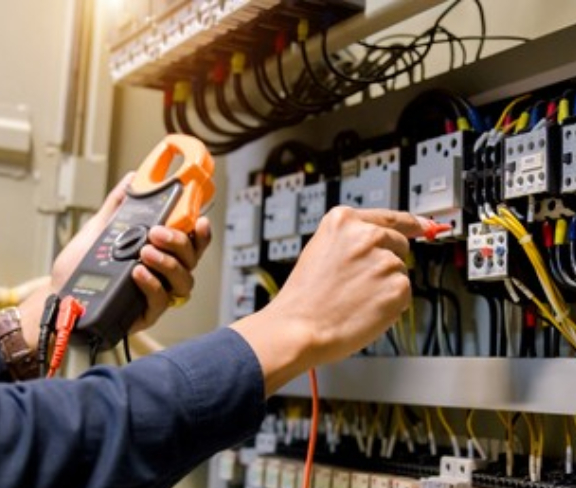
What Is Electrical Residual Life Assessment?
Electrical Residual Life Assessment, commonly known as RLA, is a systematic evaluation of the present condition, aging, degradation, and performance of electrical equipment to estimate its remaining service life.
The assessment considers factors such as:
- Equipment age
- Operating history
- Loading conditions
- Maintenance history
- Environmental conditions
- Previous failures
- Physical condition
- Electrical test results
- Insulation condition
- Thermal condition
- Manufacturer information
RLA does not simply determine the age of equipment. Instead, it combines condition information, inspection findings, diagnostic testing, and operational history to support an informed decision about the equipment's future use.
Why Equipment Age Alone Is Not Enough
Two electrical assets of the same age may have very different conditions.
One may have been properly maintained and operated under normal loading, while another may have experienced:
- Frequent overloads
- High operating temperatures
- Moisture exposure
- Contamination
- Repeated electrical faults
- Poor maintenance
- Severe environmental conditions
Therefore, condition assessment is important when deciding whether equipment should continue operating, be repaired, upgraded, or replaced.
Why Electrical Residual Life Assessment Is Important
Aging electrical equipment can increase the possibility of breakdown, unexpected downtime, electrical faults, and safety incidents.
A properly planned RLA helps organizations understand equipment condition before a major failure occurs.
Improve Electrical Equipment Reliability
RLA identifies signs of deterioration and potential failure mechanisms. This information can help maintenance teams take corrective action before equipment reaches a critical condition.
Reduce Unexpected Equipment Failure
Unexpected failure of critical electrical equipment can interrupt production and affect business operations. Early identification of deterioration supports preventive maintenance and replacement planning.
Improve Electrical Safety
Electrical equipment in poor condition may contribute to overheating, insulation failure, short circuits, arc-related incidents, or fire hazards. RLA can help identify equipment requiring attention.
Support Maintenance Planning
Assessment results can help maintenance teams prioritize equipment based on condition and risk rather than relying only on fixed replacement schedules.
Optimize Replacement Decisions
Replacing equipment too early can increase capital expenditure, while operating severely degraded equipment for too long can increase operational risk. RLA provides technical information to support a balanced decision.
Electrical Equipment Covered Under Residual Life Assessment
RLA can be applied to different types of electrical assets depending on the facility and assessment scope.
Transformers
Transformers are critical assets in many industrial and power distribution systems.
Assessment may consider:
- Insulation condition
- Transformer oil condition
- Winding condition
- Thermal performance
- Operating history
- Electrical test results
- Signs of overheating
- Previous fault history
Switchgear and Circuit Breakers
Switchgear and circuit breakers are important for electrical protection and isolation.
An assessment may examine:
- Contact condition
- Mechanical operation
- Insulation condition
- Operating mechanism
- Protection systems
- Thermal condition
- Switching history
Power and Control Cables
Cable deterioration can result from heat, moisture, mechanical stress, chemicals, aging, and electrical loading.
Assessment can include appropriate insulation and condition tests depending on the cable type and installation.
Motors and Generators
Motors and generators may also require condition assessment when they are critical to plant operations.
The assessment can consider:
- Insulation condition
- Winding condition
- Temperature
- Vibration
- Operating history
- Electrical test results
- Mechanical condition
Other Electrical Assets
Depending on the facility, RLA may also cover:
- Current transformers
- Potential transformers
- Capacitors
- Isolators
- Surge arresters
- Busbars
- Reactors
- Electrical panels
The exact testing program should be selected according to equipment type, voltage level, design, operating condition, and risk.
Electrical Residual Life Assessment Process
A systematic process helps ensure that important equipment condition information is not missed.
1. Collect Equipment Information
The first step is to collect available information about the equipment.
This may include:
- Manufacturer details
- Equipment rating
- Installation date
- Design information
- Previous test reports
- Maintenance records
- Repair history
- Failure history
- Loading information
- Operating conditions
2. Review Operating History
Historical operating information can provide important clues about equipment aging.
The review may include:
- Operating hours
- Loading patterns
- Overloading events
- Temperature history
- Fault events
- Trip history
- Maintenance activities
- Environmental exposure
3. Conduct Visual Inspection
A physical inspection identifies visible signs of deterioration.
Inspectors may look for:
- Corrosion
- Cracks
- Leakage
- Discoloration
- Loose connections
- Damaged insulation
- Contamination
- Overheating signs
- Physical damage
4. Perform Diagnostic Testing
Testing is selected according to equipment type and assessment objectives.
Potential diagnostic methods include:
- Insulation resistance testing
- Thermography
- Partial discharge testing
- Tan delta testing
- Oil testing for applicable equipment
- Winding resistance testing
- Contact resistance testing
- Electrical performance tests
Advanced diagnostic testing can provide information that may not be visible during a normal inspection. CPRI, for example, lists diagnostic facilities for high-voltage equipment including transformers, generators, cables, motors, CTs, CVTs, and lightning arresters.
5. Analyze Test Results
Test results are evaluated along with equipment history, inspection findings, and operating conditions.
The objective is to identify:
- Aging mechanisms
- Existing defects
- Degradation trends
- Critical conditions
- Failure risks
- Maintenance requirements
6. Estimate Remaining Service Life
Based on the available information, competent specialists estimate the likely remaining service life and identify the conditions required for continued safe operation.
The result should not be treated as an exact guaranteed number of years. Remaining life is an engineering assessment influenced by operating conditions, deterioration, maintenance, and future loading.
7. Prepare the RLA Report
A professional report should clearly communicate:
- Equipment details
- Inspection findings
- Test results
- Condition assessment
- Identified risks
- Remaining-life assessment
- Recommended actions
- Maintenance requirements
- Replacement or upgrade recommendations
Factors That Affect Electrical Equipment Life
Several factors can accelerate equipment aging.
Thermal Stress
Excessive temperature can accelerate deterioration of insulation and other components.
Electrical Stress
High voltage, switching events, faults, and electrical disturbances can affect equipment condition.
Mechanical Stress
Vibration, repeated operation, and mechanical movement can contribute to deterioration.
Environmental Conditions
Moisture, dust, chemicals, humidity, and corrosive environments can accelerate degradation.
Loading Conditions
Continuous operation under high loads can increase thermal stress and affect equipment life.
Maintenance Quality
Regular inspection, testing, cleaning, lubrication where applicable, and timely repair can influence equipment reliability.
Advanced Techniques Used in Residual Life Assessment
Modern diagnostic methods can provide deeper information about equipment condition.
Thermography
Infrared thermography can identify abnormal temperature patterns and hotspots in electrical equipment. It can be particularly useful for identifying potential problems associated with connections, components, and load-related heating.
Partial Discharge Testing
Partial discharge testing can help identify insulation-related defects in suitable high-voltage equipment.
Insulation Resistance Testing
Insulation resistance testing provides information about the condition of electrical insulation.
Oil Analysis
For oil-filled transformers and applicable equipment, analysis of insulating oil can provide information about contamination, degradation, and possible internal problems.
Condition Monitoring
Continuous or periodic monitoring can help identify changes in equipment condition over time and support predictive maintenance strategies.
Benefits of Electrical Residual Life Assessment
A well-planned RLA program can provide several operational and safety benefits.
Better Asset Management
Organizations can make decisions based on actual equipment condition rather than equipment age alone.
Reduced Downtime
Identifying deterioration before failure can help reduce unexpected shutdowns.
Better Maintenance Decisions
Maintenance resources can be directed toward equipment requiring greater attention.
Improved Safety
Identifying degraded electrical assets can help reduce potential electrical and fire-related hazards.
Better Capital Planning
RLA can help organizations plan future equipment replacement and upgrade requirements.
Extended Equipment Utilization
Where equipment remains suitable for continued operation, appropriate maintenance and monitoring may allow safe utilization for a longer period.
When Should an Electrical RLA Be Conducted?
An RLA may be considered when:
- Equipment has been in service for many years.
- Critical equipment shows signs of deterioration.
- Repeated failures have occurred.
- Maintenance costs are increasing.
- Equipment performance is declining.
- The facility is planning a major upgrade.
- The equipment is approaching its expected service period.
- There is uncertainty about continued operation.
- Historical test records show deterioration.
- Management needs technical information for replacement planning.
The frequency and scope should be based on equipment criticality, condition, operating environment, manufacturer guidance, applicable requirements, and previous assessment results.
Electrical RLA vs Regular Electrical Inspection
A regular electrical inspection generally focuses on identifying current unsafe conditions and defects.
Residual Life Assessment goes further by evaluating equipment condition and degradation to support decisions about future serviceability.
Both activities can complement each other.
A facility may use:
- Electrical Safety Audits
- Preventive Maintenance
- Thermography
- Condition Monitoring
- Residual Life Assessment
- Equipment Testing
together as part of a broader electrical safety and asset-management program.
How The Safety Master Supports Electrical Safety
The Safety Master provides safety consultancy and electrical safety solutions for organizations seeking to improve equipment reliability, identify hazards, and strengthen safety management.
Its electrical safety services include Electrical Safety Audit, Residual Life Assessment Study, Thermography Study, and Arc Flash Assessment.
A customized assessment can help an organization understand the condition of critical electrical assets and determine appropriate maintenance, repair, monitoring, or replacement actions.
Best Practices for Electrical Equipment Life Management
Organizations can improve electrical equipment reliability by following a planned approach:
- Maintain accurate equipment records.
- Track operating history.
- Perform periodic inspections.
- Conduct appropriate diagnostic testing.
- Monitor critical equipment.
- Investigate repeated faults.
- Maintain electrical rooms properly.
- Avoid unnecessary overloading.
- Follow manufacturer recommendations.
- Document maintenance activities.
- Prioritize critical equipment.
- Conduct RLA when equipment condition or age warrants it.
- Close corrective actions promptly.
Conclusion
Electrical Residual Life Assessment is an important approach for understanding the condition and future serviceability of critical electrical equipment. It combines equipment history, physical inspection, diagnostic testing, and technical analysis to support better maintenance and replacement decisions.
For industries where electrical systems are critical to safety and production, RLA can support improved reliability, reduced unexpected downtime, better asset management, and safer operations.
The Safety Master can support organizations with electrical safety assessment and related safety consultancy services designed around their equipment, operational conditions, and risk profile.