
Emergency Response Mock Drill Plan
An Emergency Response Mock Drill Plan is an important part of workplace emergency preparedness. It helps organizations test their emergency response procedures, identify gaps, and prepare employees to respond quickly during real emergencies.
A well-planned mock drill simulates realistic emergency situations such as fire, chemical leakage, gas release, explosions, medical emergencies, or evacuation. It gives employees an opportunity to practice their roles and understand what actions they should take during an emergency.
The Safety Master provides customized emergency response mock drills designed to improve workplace preparedness, employee awareness, communication, evacuation, and emergency response capabilities.
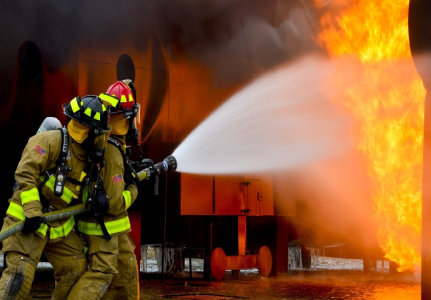
What Is an Emergency Response Mock Drill?
An emergency response mock drill is a controlled exercise conducted to simulate an emergency situation without creating actual danger to employees or the facility.
The main purpose is to determine whether the organization's emergency response plan works effectively in practice. It also helps employees become familiar with alarms, emergency exits, assembly points, communication systems, emergency equipment, and their assigned responsibilities.
Why Are Mock Drills Important?
Mock drills help organizations:
- Test the effectiveness of emergency response procedures
- Improve employee emergency awareness
- Reduce emergency response time
- Identify weaknesses in evacuation procedures
- Test emergency communication systems
- Check the availability of emergency equipment
- Improve coordination between departments
- Evaluate the performance of emergency response teams
- Develop better emergency preparedness
- Protect people, property, and the environment
Key Elements of an Emergency Response Mock Drill Plan
A successful drill should be planned systematically rather than conducted only as a routine exercise.
1. Define the Emergency Scenario
First, select the emergency scenario that will be simulated. The scenario should be relevant to the hazards present at the facility.
Examples include:
- Fire emergency
- Chemical spill
- Toxic gas release
- Explosion
- Boiler emergency
- Electrical fire
- Confined-space emergency
- Medical emergency
- Natural disaster
- Industrial accident
2. Define Drill Objectives
Every mock drill should have clear objectives.
For example, the objective may be to evaluate evacuation time, emergency communication, firefighting response, first-aid arrangements, or coordination between emergency response teams.
3. Assign Roles and Responsibilities
Employees involved in the drill should understand their responsibilities.
Typical roles may include:
- Incident Controller
- Emergency Coordinator
- Fire Response Team
- First-Aid Team
- Rescue Team
- Security Team
- Evacuation Wardens
- Communication Team
- Plant Management
Emergency Response Team Responsibilities
The emergency response team should respond according to the established emergency procedure. Team members should know where emergency equipment is located and how to communicate with the incident controller.
Emergency Response Mock Drill Procedure
A structured procedure makes the drill more effective.
Step 1: Planning
Identify the hazard, emergency scenario, drill objectives, participants, location, timing, and resources required.
Step 2: Preparation
Check emergency equipment, communication systems, evacuation routes, assembly points, emergency contacts, and first-aid arrangements.
Step 3: Conduct the Drill
Initiate the simulated emergency according to the predefined scenario. Employees should respond as they would during an actual emergency.
Step 4: Evacuation and Response
Employees should follow designated evacuation routes and report to the assembly point. Emergency response teams should perform their assigned duties.
Step 5: Monitor Performance
Observers should record important information such as:
- Alarm activation time
- Employee response time
- Evacuation time
- Emergency team response
- Communication effectiveness
- Equipment availability
- Headcount accuracy
Step 6: Evaluation
After the drill, the response should be evaluated against the predefined objectives.
Step 7: Corrective Actions
Any gaps identified during the drill should be documented and converted into corrective actions with responsible persons and target completion dates.
Emergency Mock Drill Checklist
A basic checklist can include:
- Emergency scenario identified
- Drill objectives defined
- Emergency response team identified
- Emergency contacts verified
- Alarm system checked
- Emergency exits accessible
- Evacuation routes available
- Assembly point identified
- Firefighting equipment available
- First-aid arrangements checked
- Communication system tested
- Employee participation recorded
- Evacuation time measured
- Headcount completed
- Drill observations documented
- Corrective actions identified
- Management review completed
Types of Emergency Mock Drills
Different industries may require different types of emergency exercises.
Fire Mock Drill
A fire mock drill evaluates evacuation procedures, alarm response, firefighting arrangements, emergency communication, and employee awareness.
Chemical Emergency Drill
Chemical industries can conduct drills involving simulated chemical spills, toxic releases, or hazardous material emergencies.
Gas Leakage Drill
A gas leakage scenario can evaluate alarm response, area evacuation, isolation procedures, emergency communication, and rescue arrangements.
Medical Emergency Drill
A medical emergency drill evaluates first-aid response, communication, casualty handling, and emergency medical support.
Disaster Management Drill
Organizations can also conduct drills for earthquakes, floods, severe weather, or other natural disasters depending on their location and risk profile.
Benefits of Emergency Response Mock Drills
Regular mock drills provide several practical benefits.
Faster Emergency Response
Employees become more familiar with emergency procedures, which can help reduce confusion and response time.
Better Employee Preparedness
Practical training helps employees understand what to do instead of relying only on theoretical emergency training.
Identification of Gaps
Drills can reveal problems with evacuation routes, communication, emergency equipment, headcount systems, or team coordination.
Improved Safety Culture
Regular emergency exercises demonstrate that emergency preparedness is an important part of workplace safety.
How The Safety Master Can Help
The Safety Master specializes in emergency response mock drills designed around the specific hazards, processes, and emergency requirements of an organization.
Our approach can include scenario development, drill planning, employee participation, emergency response team coordination, observation, performance evaluation, and recommendations for improvement.
A customized Emergency Response Mock Drill Plan helps organizations move beyond paperwork and test whether their emergency arrangements actually work under simulated real-world conditions.
Emergency Response Mock Drill Report
After completing the exercise, organizations should prepare a mock drill report.
The report can include:
- Date and location of the drill
- Emergency scenario
- Objectives
- Participants
- Emergency response team performance
- Evacuation time
- Observations
- Positive findings
- Identified gaps
- Corrective actions
- Responsible persons
- Target completion dates
- Management comments
A properly documented report helps management track improvements and strengthen the organization's emergency preparedness program.
Best Practices for Conducting Mock Drills
For better results:
- Select realistic scenarios based on workplace hazards.
- Define measurable drill objectives.
- Involve employees from relevant departments.
- Avoid creating unnecessary panic or actual hazards.
- Use trained observers to record performance.
- Measure response and evacuation time.
- Conduct a post-drill review.
- Document all findings.
- Assign corrective actions.
- Conduct follow-up drills to verify improvements.