
Fire Fighting Training: Build Practical Skills for Workplace Fire Emergencies
Fire emergencies can happen suddenly in factories, offices, warehouses, construction sites, hotels, and other workplaces. Proper Fire Fighting Training helps employees and fire response teams understand how to react quickly, use fire-fighting equipment correctly, and reduce the risk of injury, property damage, and business loss.
The Safety Master provides practical fire-fighting training designed to improve fire emergency preparedness and workplace safety. The program can include expert training, training materials, videos, case studies, practical demonstrations, fire extinguisher and hydrant system demonstrations, and fire mock drills.
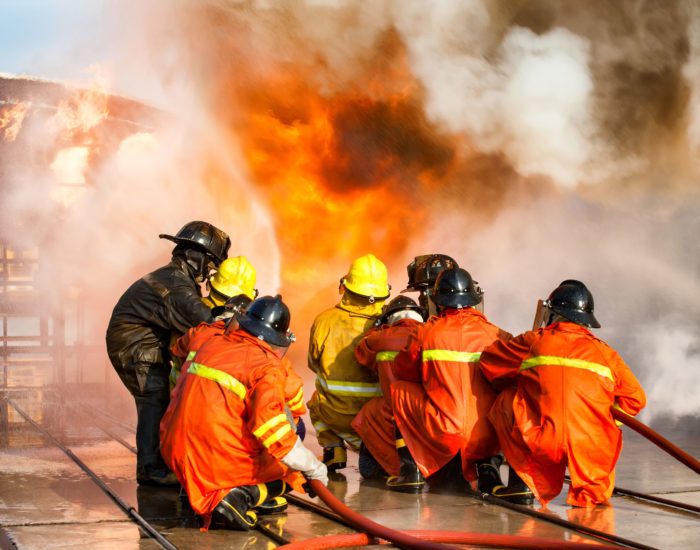
What Is Fire Fighting Training?
Fire Fighting Training is a structured safety program that teaches workers and emergency response teams how to identify fire hazards, respond to fire emergencies, use fire-fighting equipment, and support safe evacuation.
The main purpose is to help fire fighters and workplace employees develop the knowledge and practical skills needed to manage fire emergencies effectively and minimize harm to people and property.
Why Is Fire Fighting Training Important?
A fire can grow rapidly when the right response is not taken at the right time. Training helps employees understand what to do during the first few minutes of an emergency.
Important benefits include:
- Better emergency preparedness
- Faster response during a fire
- Correct use of fire extinguishers
- Better understanding of fire hydrant systems
- Improved evacuation awareness
- Reduced risk of injuries and property damage
- Stronger workplace fire safety culture
- Better coordination during emergency situations
Who Needs Fire Fighting Training?
Fire Fighting Training can be useful for organizations that manufacture, transport, handle, or store materials that can catch fire.
The training can be provided to:
- Factory and manufacturing employees
- Safety officers
- Fire and emergency response teams
- Warehouse workers
- Maintenance teams
- Security personnel
- Supervisors and managers
- Contractors
- Employees working with flammable materials
Fire Fighting Training for Industrial Workplaces
Industrial workplaces may have machinery, electrical equipment, combustible materials, chemicals, fuels, and other fire hazards. Employees should understand the fire risks associated with their work area and know how to respond during an emergency.
Practical training can help workers become familiar with emergency procedures and fire-fighting equipment used at their workplace.
Fire Fighting Training for Emergency Response Teams
Emergency response teams need practical knowledge because they may be among the first people to respond when a fire occurs.
Training can help team members understand their roles, communication requirements, equipment use, evacuation support, and emergency response procedures.
What Is Covered in Fire Fighting Training?
A good training program should combine classroom learning with practical activities.
Fire Prevention and Fire Hazards
Participants learn about common causes of workplace fires and how unsafe conditions can increase fire risk.
Topics may include:
- Electrical fire hazards
- Flammable materials
- Combustible materials
- Hot work
- Unsafe storage
- Ignition sources
- Housekeeping
- Emergency preparedness
Fire Extinguisher Demonstration
Fire extinguishers are important first-response equipment. Participants can learn about different extinguisher types, their applications, basic operating principles, and safe use.
The Safety Master includes demonstrations with fire extinguishers as part of its fire-fighting training approach.
Fire Hydrant System Demonstration
Participants can also receive practical exposure to fire hydrant systems. Understanding how workplace fire-fighting systems operate can improve emergency response and coordination.
Fire Mock Drill
Mock drills provide an opportunity to practice emergency response in a controlled environment.
The Safety Master states that its program includes a fire mock drill for a maximum of 50 participants.
A mock drill can help employees practice:
- Alarm response
- Emergency communication
- Evacuation
- Assembly procedures
- Fire response roles
- Coordination between employees and emergency teams
Practical Benefits of Fire Fighting Training
Improves Employee Awareness
Employees become more aware of fire hazards and understand the importance of following workplace fire safety procedures.
Builds Emergency Response Skills
Practical demonstrations allow participants to understand how fire-fighting equipment is used rather than relying only on theoretical information.
Supports Fire Safety Culture
Regular training can help organizations develop stronger fire safety awareness across different levels of the workforce. The Safety Master describes its program as supporting a fire safety management culture within organizations.
Helps Protect People and Property
An organized emergency response can help reduce the potential impact of a fire and support the protection of employees, assets, equipment, and facilities.
Why Choose The Safety Master for Fire Fighting Training?
The Safety Master provides workplace safety training and consultancy services. Its Fire Fighting Training program includes an expert trainer, training material, multilingual sessions with videos and case studies, practical demonstrations using fire extinguishers and hydrant systems, and a fire mock drill.
The training can be customized according to the workplace, workforce, and fire hazards present at the site.
How to Prepare Employees for a Fire Emergency
Organizations can strengthen their fire preparedness by following a simple approach:
- Identify major workplace fire hazards.
- Train employees on fire prevention.
- Explain emergency procedures.
- Demonstrate fire-fighting equipment.
- Conduct practical training.
- Organize fire mock drills.
- Review the response after each drill.
- Improve procedures where gaps are identified.
Regular refresher training can also help employees maintain awareness and confidence.
Conclusion
Fire Fighting Training is an important part of workplace emergency preparedness. It helps employees understand fire hazards, learn the correct use of fire-fighting equipment, and practice emergency response through demonstrations and mock drills.
With practical training, organizations can improve fire safety awareness and develop a stronger emergency response culture. The Safety Master provides Fire Fighting Training with expert instruction, practical demonstrations, case studies, and fire mock drills to support workplace fire preparedness.