
Fire Load Calculation
Fire Load Calculation is an important part of fire safety planning for buildings, factories, warehouses, offices, commercial facilities, and industrial plants. It helps determine the amount of combustible material present in a particular area and the potential energy that could be released during a fire.
A proper fire load calculation considers combustible materials such as paper, wood, plastic, packaging, furniture, chemicals, textiles, oils, and other stored or processed materials. The results can support decisions related to fire protection systems, emergency planning, storage arrangements, fire risk assessment, and building safety.
The Safety Master provides professional safety and risk assessment support to help organizations understand their fire load and improve their overall fire protection strategy.
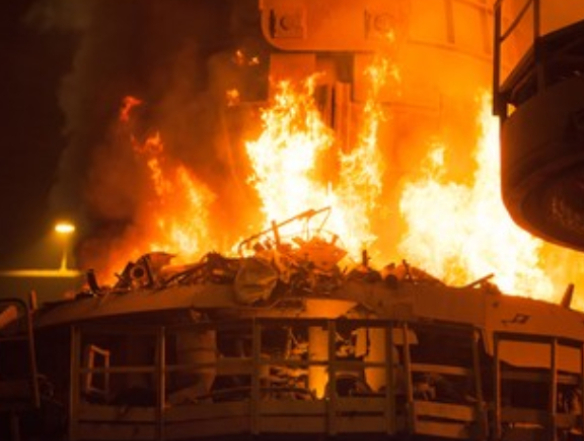
What Is Fire Load Calculation?
Fire load calculation is the process of estimating the total quantity of combustible material within a building, room, storage area, or process area and converting it into an appropriate measure of potential heat energy.
In simple terms, it answers an important question:
How much combustible material is available to burn in a particular area?
The calculation may consider:
- Quantity of combustible materials
- Type of material
- Calorific value
- Storage arrangement
- Floor area
- Material location
- Packaging materials
- Process-related combustibles
- Furniture and other contents
NFPA 101 defines fuel load as the total quantity of combustible contents of a building, space, or fire area.
Why Is Fire Load Calculation Important?
A building with a high quantity of combustible materials may have greater fire growth potential than an area with a low combustible load. Understanding the fire load helps safety professionals identify areas requiring additional controls.
A fire load assessment can support:
- Fire risk assessment
- Fire protection system planning
- Fire extinguisher selection
- Storage planning
- Emergency response planning
- Fire prevention measures
- Risk classification
- Building safety evaluation
- Industrial fire safety planning
- Insurance and compliance documentation
Fire load should be considered together with the building design, occupancy, processes, storage conditions, ignition sources, detection systems, suppression systems, and emergency arrangements.
How Is Fire Load Calculated?
A basic fire load calculation involves identifying combustible materials and estimating the energy available from those materials.
A simplified approach can be represented as:
Fire Load = Total mass of combustible material × Calorific value
For fire load density:
Fire Load Density = Total Fire Load ÷ Floor Area
The units and calculation methodology should be selected according to the applicable standard, project requirements, material data, and authority requirements.
Step 1: Identify Combustible Materials
Prepare an inventory of combustible materials present in the area.
Examples include:
- Wood
- Paper
- Cardboard
- Plastics
- Rubber
- Textiles
- Packaging
- Oils
- Flammable or combustible liquids
- Chemicals
- Furniture
Step 2: Determine the Quantity
Record the approximate or verified quantity of each combustible material.
The information may come from:
- Inventory records
- Storage records
- Material data
- Site inspection
- Warehouse records
- Production information
Step 3: Determine Calorific Value
The calorific value of each material is considered to estimate its potential heat release.
Where appropriate, reliable technical data and material documentation should be used.
Step 4: Calculate Total Fire Load
The contribution of each combustible material can be calculated and then added to determine the total fire load.
Step 5: Calculate Fire Load Density
The total fire load can then be related to the applicable floor or fire area to determine fire load density.
This helps compare combustible loading between different areas and supports fire safety planning.
Fire Load Calculation as per NFPA
When discussing Fire Load Calculation as per NFPA, it is important to use the correct NFPA document for the specific application rather than treating every NFPA standard as a fire-load calculation standard.
NFPA identifies NFPA 557, Standard for Determination of Fire Loads for Use in Structural Fire Protection Design, as a standard specifically addressing determination of fire loads for structural fire protection design. NFPA lists editions including 2023 and earlier editions.
The applicable edition and requirements should be confirmed for the specific project.
Other NFPA standards may address related fire protection subjects. For example, NFPA 10 provides requirements for portable fire extinguishers and is currently listed by NFPA as the 2026 edition.
Therefore, a professional assessment should consider:
- Applicable NFPA standard
- Current adopted edition
- Building occupancy
- Fire area
- Combustible materials
- Storage conditions
- Local fire regulations
- Applicable Indian codes and standards
- Authority Having Jurisdiction requirements
Contact us at info@thesafetymaster.com to schedule your Fire Load Calculation.
CONTACT NOWFire Load Calculation Standard
The Fire Load Calculation Standard depends on the purpose and type of assessment.
NFPA 557 is specifically related to determining fire loads for structural fire protection design.
Depending on the project, other codes and standards may also be relevant to fire safety design and protection systems. For an Indian facility, the assessment should also consider applicable Indian regulations, National Building Code requirements, local fire authority requirements, and relevant standards.
A professional fire load assessment should clearly mention the standards and references used for the calculation.
Fire Load Calculation Report
A Fire Load Calculation Report provides documented evidence of the assessment and calculation.
A professional report may include:
1. Project Details
- Client name
- Site location
- Building or facility description
- Area assessed
- Date of assessment
2. Area and Occupancy Details
The report can identify the use of each area, floor area, storage arrangement, and relevant occupancy information.
3. Combustible Material Inventory
The report should identify significant combustible materials and their quantities.
4. Calculation Details
The calculation section can show:
- Material quantity
- Calorific value
- Energy contribution
- Total fire load
- Fire load density
- Assumptions used
5. Fire Protection Review
The report may also document relevant existing fire protection measures, such as:
- Fire extinguishers
- Fire hydrant systems
- Sprinkler systems
- Fire alarm systems
- Detection systems
- Emergency exits
- Fire doors
6. Recommendations
The final section can identify practical measures for reducing fire risk and improving fire protection.
Fire Load Calculation for Fire Extinguisher Planning
Fire Load Calculation for Fire Extinguisher planning should not be treated as a simple one-to-one calculation where the fire load alone determines the number of extinguishers.
Portable extinguisher selection and placement depend on the applicable requirements, hazard classification, extinguisher rating, travel distance, occupancy, and other site conditions. NFPA 10 establishes requirements for portable fire extinguishers as a first line of defense against fires of limited size.
A fire load assessment can nevertheless provide useful information for understanding the combustible hazard within an area.
The assessment should consider:
- Type of combustible material
- Class of fire hazard
- Area and occupancy
- Potential ignition sources
- Existing fire protection
- Extinguisher type
- Extinguisher rating
- Accessibility
- Travel distance
- Applicable standard
Fire Load Calculation for Industrial Facilities
Industrial facilities can contain different types of combustible materials in production, storage, utility, and maintenance areas.
A fire load assessment can be performed for:
- Chemical plants
- Manufacturing plants
- Warehouses
- Textile facilities
- Packaging units
- Food processing plants
- Pharmaceutical facilities
- Oil and gas facilities
- Commercial buildings
- Data and equipment rooms
- Storage facilities
Each area should be assessed according to its actual materials, processes, storage conditions, and fire hazards.
Benefits of Professional Fire Load Assessment
A professional assessment can help organizations:
- Understand combustible loading
- Identify high-risk areas
- Improve fire prevention
- Support fire protection design
- Improve emergency preparedness
- Review storage practices
- Document fire safety information
- Support fire risk assessments
- Develop practical corrective actions
The Safety Master can support organizations with structured fire safety and risk assessment services based on the characteristics of their facility and applicable requirements.
Fire Load Calculation and Fire Risk Assessment
Fire load is only one part of a complete fire risk assessment.
A broader assessment may consider:
Fuel + Ignition Sources + Oxygen + Occupancy + Building Features + Fire Protection + Emergency Response
This approach provides a more complete understanding of fire risk.
For example, two rooms may have similar fire loads but different levels of risk because of differences in ventilation, ignition sources, occupancy, storage height, detection, suppression, and emergency access.
Why Choose The Safety Master?
The Safety Master provides professional safety consulting and risk assessment support for industrial and commercial organizations.
Our approach focuses on understanding the actual conditions at the facility, documenting combustible materials, evaluating fire hazards, reviewing applicable requirements, and developing practical recommendations.
A well-prepared Fire Load Calculation can become an important input for broader fire safety management and emergency preparedness.