Fire Safety and Emergency Preparedness Requirements for Industries in Visakhapatnam Port and SEZ Areas

A Complete Guide to HAZOP, HIRA & QRA for Industries in Jeedimetla, Patancheru and Sangareddy
December 8, 2025
Why Annual Safety Audit Is Essential for Compliance in Telangana & Andhra Pradesh: Checklist for 2025
December 11, 2025
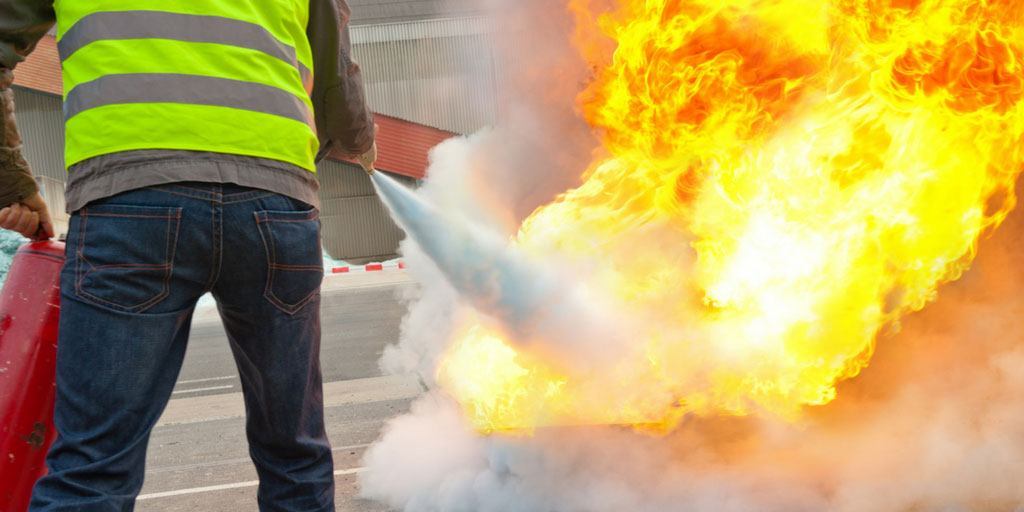
Industries operating in ports and Special Economic Zones work under higher risk profiles than most manufacturing clusters. Visakhapatnam, with its busy port operations, oil terminals, chemical storage yards, refineries, and rapidly expanding SEZ zones, handles a mix of hazardous materials every single day. This means Fire Safety Vizag and Emergency Preparedness Vizag cannot be treated as optional housekeeping practices. They are fundamental compliance requirements and a core part of operational continuity. The Safety Master works closely with industrial units across VSEZ, APIIC zones, logistics parks, and port-based facilities to help them meet statutory obligations and exceed safety performance standards.
Why Fire Safety Regulations Are Stricter in Visakhapatnam Port and VSEZ Areas
Both the Visakhapatnam Port Authority and VSEZ fall under high-risk industrial categories due to the presence of combustible cargo, hazardous chemicals, petroleum products, pressurized storage systems, and dense transportation traffic. A single oversight can escalate into major fires, toxic releases or explosions. Ports operate 24×7, which means emergency events must be contained fast with trained manpower and reliable equipment. Environmental sensitivity along the coastline adds another compliance angle. Regulators expect organizations to prove their readiness, not just claim compliance on paper.
Key Legal Requirements Industries Must Follow
Industries in the Visakhapatnam port ecosystem must comply with a layered set of rules. This includes: National Building Code guidelines for fire prevention; Factory Act requirements for emergency preparedness; PESO rules for handling petroleum and hazardous materials; AP Fire Services Department clearances; SEZ and port authority safety conditions for operational licenses; MOEF and SPCB norms for accidental scenario management. Local inspections in Visakhapatnam are known to be thorough. Non-compliance often leads to operational shutdowns, penalties or cancellation of licenses in high-risk categories.
Mandatory Fire Safety Infrastructure for Port-Based and SEZ Units
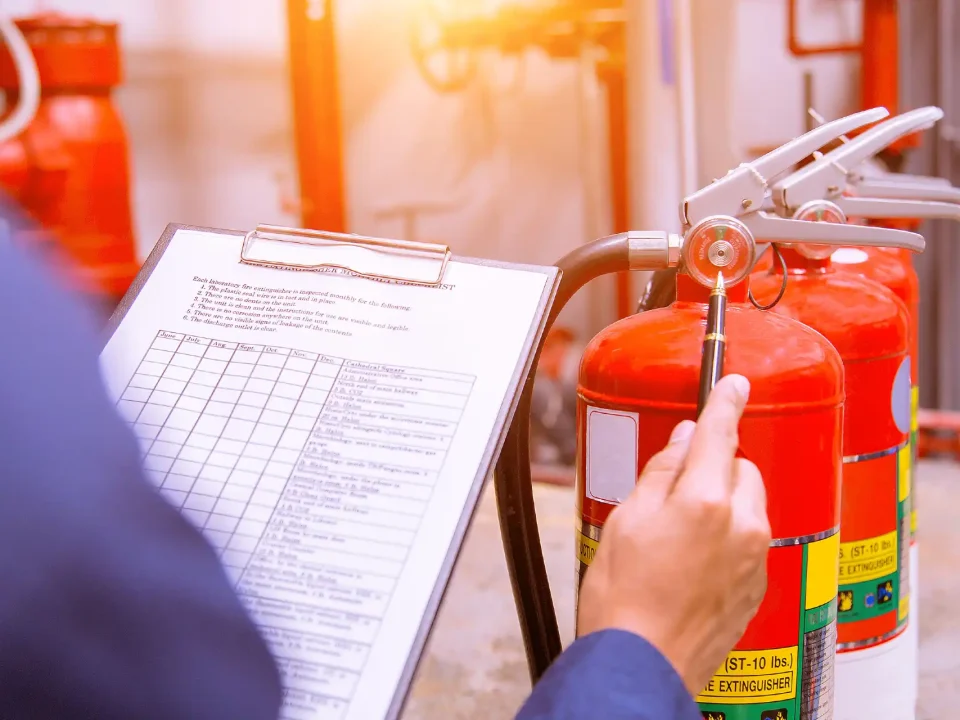
Fire safety systems in these zones must meet higher performance standards because conventional protection is not enough. The essential requirements include hydrant networks sized for worst-case discharge; automatic sprinklers for warehouses, chemical yards and large storage enclosures; fire detection and alarm systems with zoning and control room integration; foam systems for petroleum and solvent storage; gas detection for flammable or toxic service lines; fire-rated electrical fixtures in hazardous areas; emergency lighting and evacuation signage covering production, logistics and admin spaces. Many companies fail during audits because systems are present but not maintained, tested or calibrated. Safety culture requires continuous verification, not one-time installation.
Fire Audit VSEZ: Why It Matters and What Inspectors Look For
A Fire Audit VSEZ is not just a checklist. Inspectors evaluate whether your facility can actually respond to real incidents. They assess system adequacy compared to your risk inventory, maintenance records, internal mock-drill performance, availability of competent fire teams, evacuation readiness, and emergency command structure. They also check if your storage patterns, chemical segregation, electrical panels and hot-work processes follow safety norms. Only a few organizations get a clean report because practical readiness is often weaker than documented compliance.
The Rising Importance of Emergency Preparedness Vizag
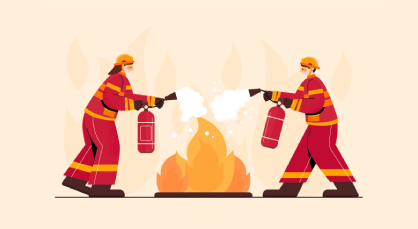
Emergency preparedness is a bigger compliance challenge than fire infrastructure. Visakhapatnam’s industrial areas have learned from previous incidents that human response determines how far a fire or release spreads. Emergency preparedness includes developing an onsite emergency plan aligned with district disaster management systems, training responders for real-world scenarios, establishing a clear chain of command, ensuring communication redundancy, conducting quarterly mock drills, integrating contractors into training modules and preparing rapid evacuation routes. Port zones have additional requirements because coordination may involve CISF, port fire teams, naval authorities and district-level responders. The Safety Master helps organizations build response systems that work under pressure, not just on paper.
Risk Assessment Requirements: The Foundation of Compliance
No fire safety or emergency plan is complete without advanced risk assessment. Port and SEZ companies must evaluate ignition sources, chemical incompatibilities, confined spaces, transportation hazards, tank farms, and utility risks. Many organizations rely on outdated checklists instead of structured methodologies. A deeper study allows decision-makers to understand fault sequences and choose reliable controls. For example, a Hazop Study helps identify deviations in process operations and provides actionable safeguards that reduce both fire and explosion potential.
Strengthening Compliance Through Advanced Fire Safety Strategies
Industries in Visakhapatnam need more than the minimum legal requirement. With evolving cargo profiles, expanding tank terminals and increased automation, fire risks have changed as well. Companies must adopt performance-based engineering for complex facilities; integrate fire protection with process automation; upgrade foam systems for modern fuel types; deploy thermal imaging for early hotspot detection; use digital inspection platforms to track safety gaps. This shift ensures fewer surprises during audits and greater reliability during emergencies.
How A Fire Safety Audit Improves Readiness
Many industries only conduct audits when licensing authorities demand them. The result is rushed compliance, temporary fixes and recurring failures. A structured Fire Safety Audit evaluates infrastructure reliability, identifies hidden vulnerabilities, and verifies people readiness. The Safety Master’s audit approach uses engineering logic, real-scenario simulations and global best practices. The audit process ensures organizations rectify gaps before an actual incident tests their preparedness.
Emergency Response Training and Human Factor Readiness
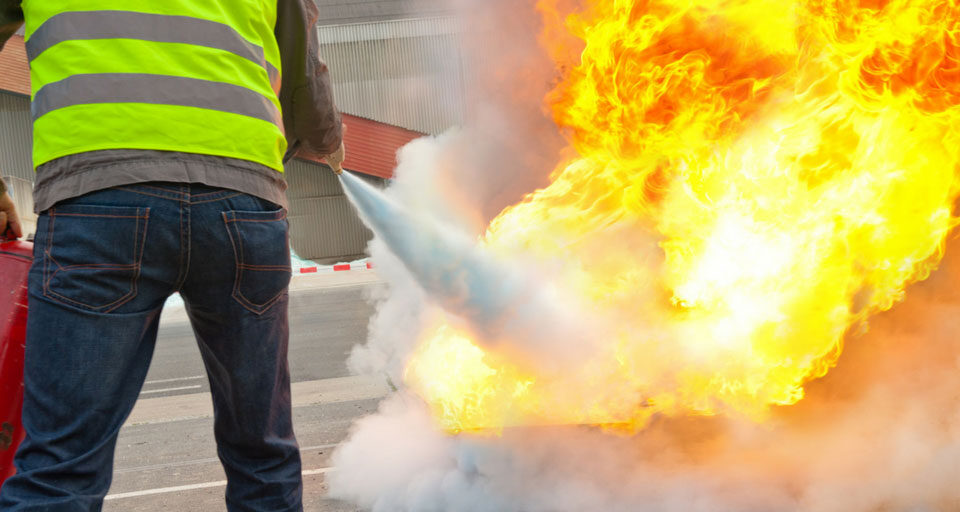
Your systems may be world-class, but your people must know how to use them. In high-risk zones like Visakhapatnam, this is non-negotiable. Common human-factor failures include delayed alarms, poor communication between departments, improper extinguisher use, and confusion during evacuation. Every employee, not just safety teams, plays a role in emergency response. Skill-based training, scenario-based learning and leadership workshops help build a confident response culture.
The Role of Safety Audit Services in SEZ and Port Compliance
Regular third-party assessments offer unbiased insights. Safety Audit Services help organizations identify operational risks proactively instead of waiting for inspectors to find them. These audits cover process hazards, storage practices, electrical integrity, fire protection, and behavioral safety. For SEZ industries with multiple contractors, fragmented operations and dynamic cargo movement, regular audits help maintain consistency in safety performance.
Why Process Safety Management Is Critical for High-Risk Industries
Fire incidents in process industries often originate from operational deviations rather than infrastructure failures. That is why companies rely on a Process Safety Management Consultant to strengthen controls around hazardous chemicals, pressurized systems and high-temperature operations. In Visakhapatnam’s port and refinery belt, process safety is essential because loss-of-containment events can escalate rapidly in congested industrial zones.
Documentation and Compliance Reporting Requirements
Authorities require accurate, traceable and updated documentation. This includes layout approvals, system test reports, material safety data sheets, emergency plans, mock drill records, PPE compliance logs, and training attendance. Poor documentation is one of the most common reasons companies fail audits. Digital documentation systems help reduce errors and maintain audit-ready records throughout the year.
Why Choosing the Right Safety Partner Matters
Fire safety and emergency compliance are technical fields. Shortcuts create long-term risks. Partnering with a strong technical consulting team ensures your systems match your risk profile and your people stay ready for emergencies. A trusted Safety Consultant in India brings experience across different industries, understands the requirements of Visakhapatnam’s regulatory bodies and helps build sustainable safety systems rather than temporary fixes.
Final Thoughts: Building a Safer Industrial Ecosystem in Visakhapatnam
Visakhapatnam Port and VSEZ areas will continue to grow as major industrial hubs. That growth brings greater responsibility. Companies that invest in strong fire safety systems, structured emergency preparedness and robust process risk management not only meet compliance expectations but also protect their workforce, assets and brand reputation. The Safety Master supports industries in building safety programs that deliver long-term resilience, operational continuity and regulatory confidence.