Fire Safety & Emergency Preparedness Requirements for Industries in Visakhapatnam Port and SEZ Areas

A Complete Guide to HAZOP, HIRA & QRA for Industries in Jeedimetla, Patancheru & Sangareddy
December 5, 2025
A Complete Guide to HAZOP, HIRA & QRA for Industries in Jeedimetla, Patancheru and Sangareddy
December 8, 2025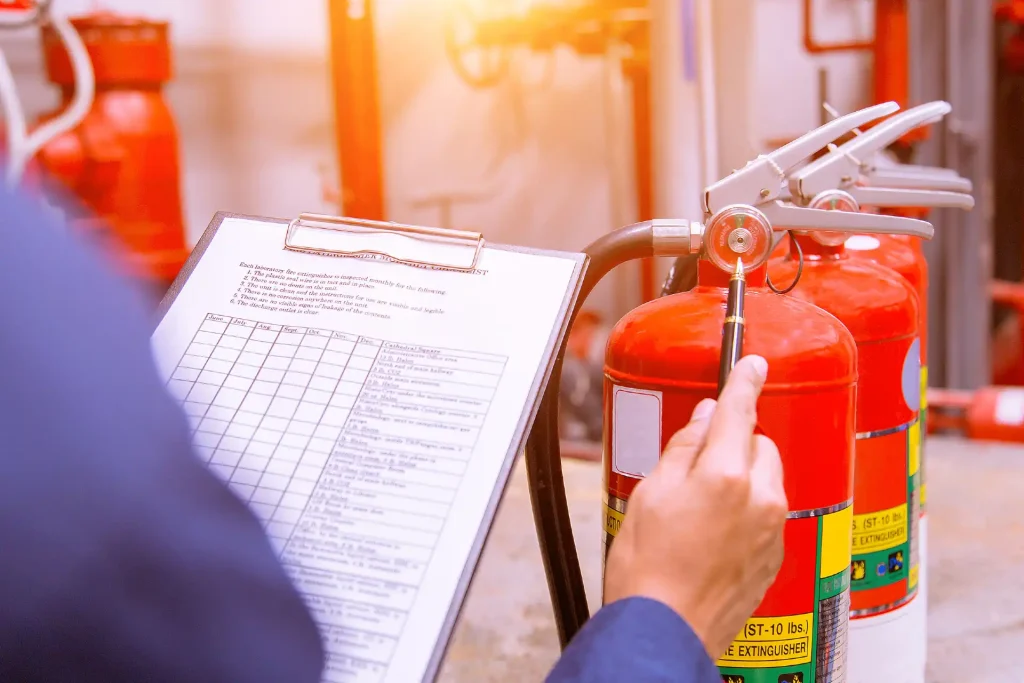
Industries operating in the Visakhapatnam Port region and VSEZ handle higher risk profiles due to storage of fuels, large-scale manufacturing, logistics movement and hazardous material processing. This is why Fire Safety Vizag and Emergency Preparedness Vizag standards are stricter compared to many other industrial zones in India. Companies here must comply with both national safety regulations and location-specific guidelines issued by the Port Authority and Development Commissioner.
If your organisation functions inside VSEZ, Visakhapatnam Port Trust area, or adjacent industrial clusters, understanding these requirements is not optional. It is essential for business continuity, worker protection and regulatory clearance.
Why Fire Safety Compliance Matters More in Vizag’s Port Ecosystem
Visakhapatnam’s industrial belt sees high-density operations involving refineries, container terminals, petrochemical units, fertilizer plants, heavy engineering and warehousing. A single fire incident can escalate rapidly due to:
• Dense material storage
• Movement of hazardous goods
• Limited escape corridors
• High worker density
• Weather and wind conditions near the coast
This makes an industry-wide emphasis on Fire Safety Vizag crucial for preventing emergencies and ensuring fast response when they occur.
Mandatory Fire Protection Requirements for Industries
Industries in the Port and VSEZ zones must maintain documented and functional fire safety systems. Key expectations include:
- Fire Hydrant Systems
Hydrant networks must provide adequate pressure, coverage and clearly accessible hose points. - Automatic Fire Detection & Alarm Systems
These systems should be tested regularly and connected to a central control room. - Sprinklers and Fixed Fire Suppression Systems
High-risk zones must have automatic suppression such as sprinklers, foam systems or gas-based suppression depending on the hazard type. - Portable Fire Extinguishers
Placement must be as per IS:2190 standards. Regular inspection and training are mandatory. - Emergency Exit Planning
Marked evacuation routes, illuminated signage and unobstructed escape paths are essential in SEZ and port-based units.
Emergency Preparedness Requirements in Vizag’s Port-Based Industries
Unlike general industrial zones, the Visakhapatnam Port and VSEZ areas require deeper emergency planning due to spill risks, marine hazards and fuel storage. A strong Emergency Preparedness Vizag framework covers:
• On-site emergency response plans
• Off-site coordination with the Port Authority
• Mutual aid support with neighbouring industries
• Emergency control room readiness
• Spill response procedures
• Regular mock drills as per NDMA norms
Every organisation must maintain round-the-clock emergency response teams trained to handle chemical leaks, fires, explosions and confined-space incidents.
Fire Audit Requirements in VSEZ and Vizag Port Areas
Authorities often mandate an annual Fire Audit for industries to identify compliance gaps. A professional audit checks:
• Fire load calculations
• Condition of active and passive fire systems
• Escape route sufficiency
• Equipment maintenance records
• Electrical safety risk factors
• Emergency training effectiveness
Industries that fail audits may face shutdown notices, especially in high-risk handling zones.
Role of Safety Audits and Process Risk Analysis
Beyond fire systems, industries must demonstrate holistic safety readiness.
A Safety Audit evaluates organisational safety culture, SOPs, hazard controls and regulatory compliance.
A Process Safety Management review focuses on preventing catastrophic events through engineering and operational discipline.
Many VSEZ industries handling chemicals also perform Hazop Study once during commissioning and periodically afterward to identify process deviations and control risks proactively.
VSEZ-Specific Compliance Expectations
The VSEZ manual outlines strict safety requirements:
• Fire NOC renewals on schedule
• Proper hazardous material storage documentation
• Valid calibration certificates for detection systems
• Mock drill reports submitted periodically
• On-site safety officer appointment as per act
• Risk assessment documentation for all major operations
These are not formalities; they significantly influence the approval of unit operations, expansion requests and license renewals.
Conclusion
For any industry operating in the Visakhapatnam Port and SEZ region, meeting Fire Safety Vizag, Emergency Preparedness Vizag and Fire Audit VSEZ requirements is non-negotiable. Compliance protects workers, property and reputation, while also ensuring uninterrupted operations in one of India’s most important industrial corridors.