
HAZOP Software for Smarter Hazard and Operability Analysis
HAZOP studies are an important part of process safety management for industries where hazardous materials, complex processes, and high-risk operations are involved. A well-planned HAZOP study helps organizations identify potential hazards, understand process deviations, assess risks, and develop suitable recommendations before incidents occur.
HAZOP Software makes this process more organized, efficient, and easier to manage. The Safety Master provides TSM-HAZOP Software, a digital solution designed to streamline HAZOP analysis and support safety teams throughout the study process. The software includes features such as system mapping, risk rating, reporting, customization, and integration with existing data systems.
What Is HAZOP Software?
HAZOP Software is a digital tool used to plan, conduct, document, review, and manage Hazard and Operability (HAZOP) studies. Traditional HAZOP studies can involve large amounts of documentation, spreadsheets, meeting notes, action items, and risk information.
A dedicated software platform brings these activities into one structured system. It helps HAZOP teams organize process information, record deviations and causes, evaluate consequences, assign risk ratings, document safeguards, and track recommendations.
For industries such as oil and gas, chemicals, pharmaceuticals, petrochemicals, manufacturing, and other process industries, digital HAZOP management can improve consistency and visibility throughout the analysis.
Why Use HAZOP Software?
Managing a HAZOP study manually can become difficult when projects involve multiple process units, large teams, numerous recommendations, and extensive documentation.
HAZOP Software helps organizations:
- Organize HAZOP studies in a structured format
- Identify hazards and process deviations
- Record causes and consequences
- Evaluate risk levels
- Document existing safeguards
- Assign recommendations and actions
- Improve collaboration between HAZOP team members
- Generate reports more efficiently
- Maintain centralized HAZOP records
- Reduce repetitive administrative work
- Improve visibility of safety-critical recommendations
The Safety Master designed TSM-HAZOP Software to make the safety analysis process more streamlined, user-friendly, and customizable according to organizational requirements.
Key Features of HAZOP Software
HAZOP Study Management
A centralized platform allows safety professionals to organize HAZOP studies and manage project information from one location. This can make it easier to maintain consistency across different process units and projects.
System Mapping
System mapping helps teams structure process information and understand the relationship between different sections of a process. TSM-HAZOP Software includes system mapping capabilities to support the analysis workflow.
Risk Rating
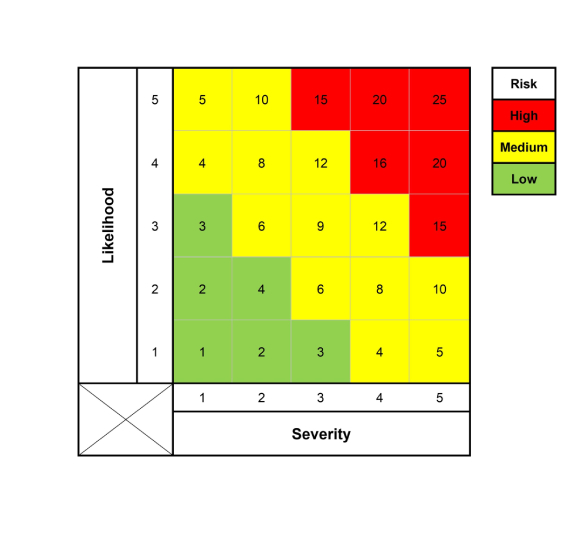
Risk assessment is a key part of HAZOP analysis. Software can help teams record risk ratings consistently and maintain risk information within the study.
Consistent Risk Evaluation
A structured digital process can help HAZOP teams apply the organization's approved risk criteria consistently throughout the analysis.
Real-Time Reporting
HAZOP studies can generate a significant amount of information. Real-time reporting capabilities can help teams review study information and generate useful reports without relying entirely on manual documentation.
Centralized Data Management
Keeping HAZOP information in one digital environment makes it easier to manage study records, recommendations, risk information, and supporting data.
Customizable HAZOP Workflows
Every organization may have different HAZOP procedures, risk matrices, reporting requirements, and approval processes. TSM-HAZOP Software is designed to be customizable to specific safety analysis requirements.
Data Integration
The software can integrate with existing data systems, helping organizations gain better insight into their safety analysis information and reports.
How Does HAZOP Software Work?
Step 1: Define the HAZOP Study
The first step is to create the project and define the scope of the HAZOP study. This may include the plant, process unit, equipment, P&IDs, nodes, and study objectives.
Step 2: Identify HAZOP Nodes
The process is divided into suitable sections or nodes for systematic analysis.
Step 3: Apply Guide Words
The HAZOP team applies appropriate guide words such as:
- No
- More
- Less
- Reverse
- As well as
- Part of
- Other than
These guide words help identify possible deviations from the intended process design or operating conditions.
Step 4: Record Causes and Consequences
The team documents possible causes of each deviation and evaluates the potential consequences.
Step 5: Evaluate Existing Safeguards
Existing controls and safeguards are reviewed to determine how effectively they prevent or mitigate the identified consequences.
Step 6: Assess Risk
The identified scenario is evaluated using the organization's approved risk assessment methodology.
Step 7: Record Recommendations
Where additional controls are required, recommendations can be documented and assigned for further action.
Step 8: Generate HAZOP Reports
The collected information can then be organized into reports for review, approval, follow-up, and future reference.
Benefits of HAZOP Software
Saves Time
Digital workflows can reduce repetitive documentation and make it easier to manage large HAZOP studies.
Improves Data Accuracy
Using standardized fields and structured workflows can reduce inconsistencies associated with manually maintaining multiple spreadsheets and documents.
Better Team Collaboration
HAZOP studies involve multidisciplinary teams. A centralized platform can help participants work with the same study information.
Faster Reporting
Automated or structured reporting can make it easier to convert study information into professional HAZOP reports.
Better Recommendation Tracking
Safety recommendations should not be lost after the HAZOP meeting. Digital records can make recommendations easier to monitor and follow up.
Supports Process Safety
The ultimate objective of HAZOP is to identify potential process hazards and improve the safety and operability of the process. Digital tools can support this objective by making HAZOP information easier to organize and manage.
Industries That Can Use HAZOP Software
Oil and Gas Industry
Oil and gas facilities contain significant process and operational hazards. HAZOP analysis can help identify potential deviations in processing, storage, transportation, and supporting systems.
Chemical Industry
Chemical manufacturing processes can involve hazardous substances, high temperatures, pressure, and complex reactions. Digital HAZOP management can support systematic process hazard analysis.
Pharmaceutical Industry
Pharmaceutical manufacturing involves controlled processes and equipment where deviations can affect safety, quality, and production.
Petrochemical Industry
Petrochemical plants contain interconnected process systems. HAZOP Software can help teams manage studies across multiple units and process areas.
Manufacturing Industry
Manufacturing organizations can use structured HAZOP analysis to evaluate process risks, equipment-related hazards, and operational deviations.
HAZOP Software vs. Manual HAZOP
Manual HAZOP studies generally depend heavily on spreadsheets, documents, meeting notes, and manual report preparation. These methods can work for smaller studies but may become difficult to manage as project complexity increases.
HAZOP Software provides a more structured digital approach.
| Manual HAZOP | HAZOP Software |
|---|---|
| Multiple documents and spreadsheets | Centralized digital information |
| Manual data management | Structured data management |
| Manual report preparation | Streamlined reporting |
| Difficult to track large studies | Easier study management |
| Higher administrative workload | Reduced repetitive work |
| Limited visibility | Better information visibility |
| Manual recommendation tracking | Structured action management |
How The Safety Master Can Help
The Safety Master provides safety consulting, process safety solutions, training, and digital safety solutions for organizations looking to improve their safety management systems.
Its TSM-HAZOP Software is designed to support HAZOP studies with features such as system mapping, risk rating, real-time reporting, customization, and integration with existing data systems.
Organizations can use the solution to make their HAZOP workflow more organized and improve the management of safety analysis information.
Why Choose The Safety Master for HAZOP Software?
Choosing the right digital solution is important because HAZOP software should support the organization's actual process safety workflow rather than simply store information.
The Safety Master combines process safety expertise with digital safety solutions. Its HAZOP platform is designed with the needs of industrial safety analysis in mind and can be customized according to specific requirements.
If your organization is planning a new HAZOP study or wants to digitize its existing HAZOP process, discuss your requirements with The Safety Master and request a software demonstration.
Conclusion
HAZOP is an important process safety technique for identifying potential hazards, process deviations, and operability problems before they lead to serious incidents. As HAZOP studies become more complex, organizations can benefit from moving from fragmented manual documentation toward structured digital management.
HAZOP Software can help safety teams organize studies, manage risk information, improve reporting, track recommendations, and maintain better visibility of HAZOP data. With its TSM-HAZOP solution, The Safety Master provides a customizable digital approach to improving the efficiency and management of HAZOP studies.
For organizations looking to digitize their HAZOP process, a software demonstration can be a useful first step toward understanding how the platform can fit their process safety requirements.
Frequently Asked Questions About HAZOP Software
What is HAZOP Software?
HAZOP Software is a digital platform used to manage Hazard and Operability studies. It can help teams organize nodes, deviations, causes, consequences, safeguards, risk ratings, recommendations, and reports.
What are the benefits of using HAZOP Software?
The main benefits include better organization, faster documentation, structured risk assessment, improved collaboration, easier reporting, centralized records, and better recommendation tracking.
Who uses HAZOP Software?
HAZOP Software can be used by process safety engineers, HSE professionals, process engineers, operations teams, project engineers, consultants, and multidisciplinary HAZOP study teams.
Can HAZOP Software be customized?
Yes. HAZOP requirements can vary between organizations. TSM-HAZOP Software is designed to provide customization according to specific safety analysis requirements.
Can HAZOP Software generate reports?
Yes. Reporting is an important capability of HAZOP digital solutions. TSM-HAZOP Software includes real-time reporting features to support the safety analysis process.
What industries need HAZOP analysis?
HAZOP analysis is commonly associated with process industries such as oil and gas, chemical, petrochemical, pharmaceutical, and other industries where process hazards and complex operations need systematic assessment.