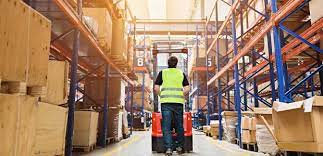
(PPE) Personal Protective Equipment Overview

Discover the Power of Behavior-Based Safety: Transform Your Safety Culture Today
July 14, 2023
Mitigating Risk in the Petrochemical Sector: Exploring HAZID Study Benefits
July 15, 2023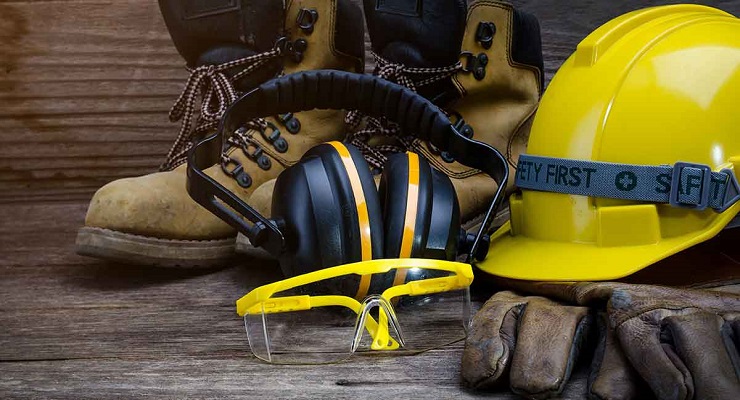
Personal protective equipment (PPE) is worn to minimize the risk of injury or death when hazards are present. PPE refers to the different types of equipment, clothing, and devices that an individual worker uses to stay safe in their working environment. PPE has been associated with a wide range of industries as it relates to health, safety, and protection from injuries or illnesses resulting from hazardous substances. BookmySafety is the leading PPE Supplier in Delhi NCR Personal protective equipment (PPE), such as face shields, gloves, and eyewear is necessary to protect the wearer from a hazard that is not controlled by engineering or administrative controls. PPE belongs to the group of active workplace prevention measures under workplace health and safety management systems.
As a beginner, it’s important that you know the basics about each piece of ( PPE ) personal protective equipment. The last thing you want to do is put yourself in harm’s way by skipping over some very important safety tips. After all, you’re putting your safety first. A website needs to look as if it has been created by a human, not a bot. To achieve that, humans need to check different variables manually. Checking the links, keywords, etc. is time-consuming work and can’t be done by automated software. That’s why you will never find a quality article on this site with generated content – nothing matters more than your reader. We are the leading PPE Supplier in Rajasthan.

Personal protective equipment (PPE) is used to protect employees against health and safety hazards. PPE must be selected, used, and maintained according to the applicable workplace safety and health standards in order to help prevent injury, illness, or death. There are many different types of PPE including hard hats, eye protection, ear protection, and high-visibility jackets. Personal protective equipment (PPE) is means of protection against injury or contamination by hazardous material that may be present. It is any apparel, equipment, device, or substance used to guard the wearer against any person or thing that could cause harm to them.
Personal protective equipment (PPE) is a general term used to describe hundreds of different kinds of protective clothing and equipment that safeguard persons from injury. PPE includes gloves, eyewear, head protection, overalls, aprons, safety shoes and boots, respirators, ear and hearing protection, hard hats, and helmets. There are some things which you need to know about in order to ensure a safer working environment. Personal protective equipment is what will keep you safe from a variety of hazards. There are different types of PPE available to suit different environmental conditions and working risks. It is important that you take a look at the specific hazards involved in your workplace, as well as your employees’ level of exposure before deciding on what type of PPE you require.
What Is Personal Protective Equipment (PPE)?
Personal Protective Equipment (PPE) refers to specially designed clothing and equipment used to protect employees from workplace hazards. It helps reduce exposure to physical, chemical, biological, electrical, and other occupational risks.
PPE is commonly used when workplace hazards cannot be completely removed through engineering controls, safer work methods, or other preventive measures.
Examples of PPE include:
- Safety helmets and hard hats.
- Safety glasses and goggles.
- Protective gloves.
- Safety shoes and boots.
- Earplugs and earmuffs.
- Respirators and face masks.
- Safety jackets and coveralls.
- Full-body safety harnesses.
Importance of Personal Protective Equipment in Workplace Safety
PPE plays an important role in protecting employees and maintaining a safe working environment. It helps organizations control risks and reduce workplace injuries.
1. Protection Against Workplace Hazards
PPE protects employees from hazards such as falling objects, sharp materials, chemicals, dust, noise, and electrical risks.
2. Reduces Workplace Injuries
Using suitable PPE can reduce the possibility and severity of workplace injuries when equipment is correctly selected and used.
3. Improves Employee Confidence
Workers feel more confident when they receive suitable protective equipment and proper safety training.
4. Supports Safety Compliance
Providing appropriate PPE helps organizations meet applicable occupational health and safety requirements.
5. Creates a Strong Safety Culture
Regular PPE use encourages employees to follow workplace safety procedures and take responsibility for their own protection.
Different Types of Personal Protective Equipment (PPE)
Different workplace hazards require different types of protective equipment. Employers should select PPE according to workplace risk assessments.
1. Head Protection
Head protection helps prevent injuries caused by falling objects, accidental impacts, and other workplace hazards.
Common equipment:
- Industrial safety helmets.
- Hard hats.
- Bump caps.
Applications: Construction sites, manufacturing plants, warehouses, and industrial facilities.
2. Eye and Face Protection
Eye and face protection prevents injuries from flying particles, chemical splashes, sparks, dust, and harmful radiation.
Common equipment:
- Safety glasses.
- Chemical safety goggles.
- Face shields.
- Welding helmets.
Applications: Welding, grinding, chemical handling, cutting, and laboratory activities.
3. Hand Protection
Protective gloves reduce the risk of cuts, burns, chemical exposure, and other hand injuries.
Common types:
- Chemical-resistant gloves.
- Cut-resistant gloves.
- Heat-resistant gloves.
- Electrical insulating gloves.
- General-purpose safety gloves.
Applications: Chemical industries, construction, electrical maintenance, manufacturing, and material handling.
4. Foot Protection
Safety footwear protects workers from heavy objects, sharp materials, slippery surfaces, and electrical hazards when appropriately rated.
Common equipment:
- Steel-toe safety shoes.
- Safety boots.
- Chemical-resistant footwear.
- Anti-slip safety shoes.
- Electrical hazard-rated footwear.
5. Hearing Protection
High noise levels can damage hearing over time. Hearing protection helps reduce exposure to harmful workplace noise.
Common equipment:
- Earplugs.
- Earmuffs.
- Noise-reduction hearing protectors.
Applications: Manufacturing plants, construction sites, workshops, and heavy industrial operations.
6. Respiratory Protection
Respiratory protective equipment helps protect workers from harmful dust, fumes, gases, vapours, and airborne particles.
Common equipment:
- Disposable particulate respirators.
- Half-face respirators.
- Full-face respirators.
- Powered air-purifying respirators.
- Supplied-air breathing apparatus.
The correct respiratory equipment depends on the identified contaminant, exposure level, and working conditions. Respirator selection, fit testing, and training are essential where required.
7. Body Protection
Protective clothing helps protect workers against chemicals, heat, sparks, biological hazards, and other workplace risks.
Common equipment:
- Chemical-resistant coveralls.
- Flame-resistant clothing.
- High-visibility jackets.
- Protective aprons.
- Disposable protective suits.
8. Fall Protection Equipment
Fall protection equipment helps prevent workers from falling or reduces the consequences of a fall when working at height.
Common equipment:
- Full-body safety harnesses.
- Safety lanyards.
- Lifelines.
- Fall arrest systems.
- Safety anchor points.
How to Select the Right Personal Protective Equipment
Selecting the correct PPE is important for effective workplace protection. Organizations should identify hazards and understand the risks before choosing protective equipment.
Step 1: Identify Workplace Hazards
Conduct a workplace inspection and identify potential hazards such as chemicals, noise, heat, dust, electricity, and falling objects.
Step 2: Conduct a Risk Assessment
Evaluate the likelihood and severity of possible injuries. Identify the workers and activities that require protection.
Step 3: Select Suitable PPE
Choose equipment that provides suitable protection against the identified hazards. Check relevant standards, certifications, and manufacturer instructions.
Step 4: Check Proper Fit and Comfort
PPE should fit correctly and allow employees to perform their duties safely. Poorly fitted equipment may reduce protection.
Step 5: Provide Employee Training
Train employees on correct PPE selection, wearing, inspection, cleaning, storage, and replacement.
Step 6: Review PPE Regularly
Inspect protective equipment regularly and replace damaged, expired, or unsuitable items.
Employer and Employee Responsibilities for PPE
Effective PPE management requires cooperation between employers and employees.
Employer Responsibilities
- Identify workplace hazards through risk assessments.
- Provide suitable PPE at no cost where required by applicable regulations.
- Ensure equipment meets relevant safety standards.
- Train employees in proper PPE use.
- Maintain inspection and replacement procedures.
- Monitor PPE compliance at the workplace.
Employee Responsibilities
- Wear the assigned PPE correctly.
- Follow workplace safety instructions.
- Inspect PPE before use.
- Report damaged or defective equipment.
- Maintain and store PPE properly.
- Attend safety training sessions.
Common Mistakes in PPE Usage
Incorrect PPE usage can reduce its protective value and increase workplace risks.
Common mistakes include:
- Using damaged or expired PPE.
- Wearing equipment that does not fit properly.
- Selecting the wrong type of gloves or respirators.
- Not wearing PPE during hazardous activities.
- Ignoring manufacturer instructions.
- Sharing PPE without proper cleaning where hygiene is required.
- Not inspecting equipment before use.
- Failing to replace damaged protective equipment.
Organizations should conduct regular inspections and safety awareness programs to prevent these mistakes.
PPE Maintenance, Inspection, and Storage
Proper maintenance helps keep PPE effective and ready for use.
Important practices include:
- Inspect PPE before every use.
- Clean reusable equipment according to manufacturer instructions.
- Store PPE in a clean and dry location.
- Keep chemical-resistant equipment away from incompatible substances.
- Replace damaged or defective equipment immediately.
- Maintain records of PPE inspections and replacement.
- Follow manufacturer guidance for equipment service life.
Role of The Safety Master in Workplace Safety
The Safety Master helps organizations improve workplace safety through professional safety and risk management solutions. Effective PPE management should be supported by hazard identification, risk assessment, employee training, and regular workplace monitoring.
Organizations can strengthen their safety programs by combining suitable Personal Protective Equipment with proper safety procedures and employee awareness.
The Safety Master focuses on helping industries identify workplace hazards, improve safety practices, and develop safer working environments.
Conclusion
Personal Protective Equipment (PPE) is an important part of workplace health and safety. Safety helmets, gloves, goggles, safety footwear, respirators, protective clothing, and fall protection equipment help reduce employee exposure to workplace hazards.
However, PPE should not be the only safety measure. Organizations should follow the hierarchy of controls and prioritize eliminating hazards, replacing dangerous processes, and implementing engineering and administrative controls wherever possible.
With proper PPE selection, employee training, regular inspections, and effective risk management, organizations can create safer workplaces. The Safety Master supports businesses in building strong safety practices and improving workplace protection.