
Process Hazards Analysis Services for Industrial Risk Management
Process Hazards Analysis (PHA) is a systematic method used to identify, evaluate, and control hazards associated with industrial processes. It helps organizations understand what can go wrong, why an incident could happen, what the consequences may be, and which safeguards are required to reduce risk.
At The Safety Master, we provide professional Process Hazards Analysis services for industries where process-related hazards can affect people, assets, the environment, and business continuity. Our approach helps organizations identify potential hazards before they develop into serious incidents.
A detailed Process Hazards Analysis can be used for chemical plants, oil and gas facilities, pharmaceutical manufacturing, petrochemical plants, power plants, manufacturing units, storage facilities, and other high-risk operations.
- What-if,
- Checklist,
- What-if/checklist,
- Hazard and operability study (HAZOP),
- Failure mode and effects analysis (FMEA),
- Fault tree analysis, or
- LOPA & QRA
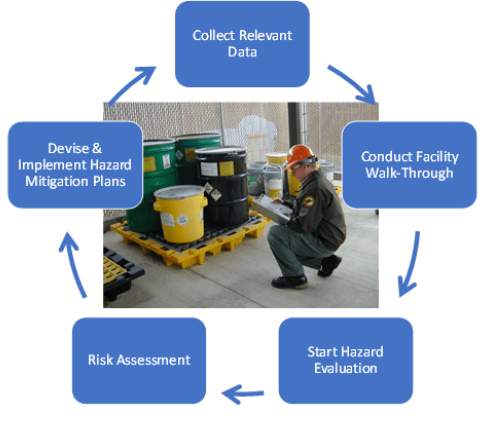
What Is Process Hazards Analysis?
Process Hazards Analysis is a structured risk assessment technique used to identify hazards associated with processes, equipment, chemicals, operating conditions, and human activities.
A PHA examines possible deviations from normal operating conditions and evaluates their potential causes, consequences, safeguards, and recommendations.
A properly conducted PHA may consider:
- Fire and explosion hazards
- Toxic or flammable chemical releases
- High pressure and high temperature
- Equipment failure
- Loss of containment
- Process deviations
- Utility failures
- Human errors
- Control system failures
- Emergency conditions
- Environmental consequences
- Previous incidents and near misses
The objective is not only to identify hazards but also to determine whether existing safeguards are adequate and what additional actions may be required.
Why Is Process Hazards Analysis Important?
Industrial processes can involve hazardous chemicals, high pressures, high temperatures, flammable materials, rotating equipment, and complex operating systems. A small process deviation can sometimes result in significant consequences.
Process Hazards Analysis provides a structured way to examine these risks before an accident occurs.
Improve Process Safety
PHA helps organizations identify hazardous scenarios and strengthen preventive and protective measures.
Identify Hidden Hazards
A systematic analysis can reveal hazards that may not be obvious during normal plant operations.
Strengthen Risk Controls
PHA recommendations can help organizations improve engineering controls, alarms, procedures, emergency systems, and other safeguards.
Support Regulatory Compliance
For processes covered by OSHA's Process Safety Management standard, the PHA must address specified elements and be performed by a qualified team. OSHA also requires covered PHAs to be updated and revalidated at least every five years.
Improve Operational Reliability
Identifying potential failures and process deviations can help reduce unplanned shutdowns, equipment damage, production losses, and safety incidents.
Process Hazard Analysis Methods
Different processes require different analysis techniques. The selection of a method should consider the complexity of the process, hazards involved, available process safety information, and the purpose of the assessment.
Common Process hazard Analysis methods include:
HAZOP – Hazard and Operability Study
HAZOP uses guidewords and process parameters to identify deviations from the intended design and evaluate their causes and consequences.
What-If Analysis
What-If Analysis uses structured questions to identify possible failures, abnormal conditions, and accident scenarios.
Checklist Analysis
Checklist Analysis compares the process against established safety requirements, standards, previous experience, and known hazards.
FMEA – Failure Mode and Effects Analysis
FMEA examines potential equipment or component failures and evaluates their effects on the process.
Fault Tree Analysis
Fault Tree Analysis works backward from an undesirable event to identify combinations of failures or conditions that could cause it.
LOPA – Layer of Protection Analysis
LOPA evaluates independent protection layers and helps determine whether safeguards provide sufficient risk reduction.
EPA guidance also identifies methods such as What-If, Checklist, What-If/Checklist, HAZOP, FMEA, and Fault Tree Analysis as PHA methodologies.
Process Hazard Assessment
A Process hazard assessment evaluates hazards associated with a process and determines the possible likelihood and consequences of unwanted events.
The assessment generally includes:
- Identifying process hazards
- Reviewing process safety information
- Identifying initiating causes
- Evaluating possible consequences
- Reviewing existing safeguards
- Considering human factors
- Assessing risk
- Developing recommendations
- Assigning responsible persons
- Tracking corrective actions
A strong Process hazard assessment should be based on accurate and current process information. It should also involve people with suitable engineering, operations, process, and methodology knowledge.
Process Hazard Analysis Example
Consider a storage tank containing a flammable chemical.
Hazard: Tank overpressure
Possible causes:
- Blocked vent
- Excessive filling
- High ambient temperature
- Failure of pressure control equipment
Possible consequences:
- Loss of containment
- Flammable vapor release
- Fire
- Explosion
- Equipment damage
- Worker exposure
Existing safeguards:
- Pressure relief device
- High-level alarm
- Temperature monitoring
- Operating procedures
- Inspection and maintenance
Possible recommendations:
- Verify relief-device sizing and maintenance
- Review operating limits
- Improve alarm management
- Provide appropriate operator training
- Review emergency response procedures
This type of Process hazard analysis example demonstrates how a PHA connects hazards, causes, consequences, safeguards, and corrective actions.
Process Hazard Analysis Checklist
A Process hazard Analysis checklist helps the PHA team systematically review important safety aspects.
The checklist may include:
- Process design information
- Process flow diagrams
- Piping and instrumentation diagrams
- Chemical hazards
- Operating limits
- Equipment design
- Pressure and temperature conditions
- Relief systems
- Alarms and interlocks
- Emergency shutdown systems
- Fire and gas detection
- Human factors
- Operating procedures
- Maintenance activities
- Previous incidents
- Near misses
- Management of change
- Emergency response
- Existing safeguards
- PHA recommendations
- Corrective-action status
The checklist should be customized according to the process and the selected PHA methodology rather than being treated as a substitute for a complete technical analysis.
Process Hazard Analysis PDF and Report
A documented PHA report provides a permanent record of the analysis, identified scenarios, safeguards, recommendations, and follow-up actions.
A Process hazard analysis PDF may include:
- Executive summary
- Scope and objectives
- Process description
- PHA methodology
- Team members
- Process safety information
- Hazard scenarios
- Causes and consequences
- Existing safeguards
- Risk evaluation
- Recommendations
- Action plan
- Responsibility and target dates
- Supporting documents
The final report should clearly document findings and recommendations so that responsible teams can track and close actions.
Process Hazard Analysis PPT for Training and Awareness
A Process Hazard Analysis PPT can be useful for communicating PHA concepts to engineers, operators, maintenance personnel, safety professionals, and management.
Training presentations can explain:
- PHA fundamentals
- Common process hazards
- PHA methodologies
- HAZOP principles
- Risk assessment
- Safeguard identification
- Human factors
- Recommendation management
- PHA examples
- Lessons from previous incidents
A clear presentation can help employees understand their role in process safety and hazard identification.
How Often Must a Process Hazard Analysis Be Updated?
A common question is: How often must a process hazard analysis be updated?
For processes covered by OSHA's PSM standard, the PHA must be updated and revalidated at least every five years after completion of the initial PHA. The review must be performed by a team meeting the applicable qualification requirements and must ensure that the analysis remains consistent with the current process.
PHA information should also remain current when process changes, incidents, modifications, or other relevant developments affect the accuracy of the existing analysis. OSHA's guidance specifically discusses reviewing process changes, process safety information, procedures, previous incident investigations, and existing recommendations during PHA updates and revalidation.
What Does a Process Hazards Analysis Team Review?
A competent PHA team may review:
Process Safety Information
The team reviews information about chemicals, equipment, process technology, operating conditions, and relevant design information.
Process Deviations
The team identifies deviations from intended operating conditions and evaluates their possible causes and consequences.
Safeguards
Existing alarms, interlocks, relief systems, procedures, detection systems, and other protection layers are reviewed.
Human Factors
Human actions and conditions that could contribute to an incident are considered as part of the analysis.
Previous Incidents
Relevant incidents and near misses can provide valuable information for identifying scenarios that require further attention.
Recommendations
Findings should be documented and tracked through an appropriate corrective-action process. OSHA requires covered employers to establish a system for addressing PHA findings and recommendations and documenting their resolution.
Benefits of Professional Process Hazards Analysis Services
Working with experienced PHA professionals can provide organizations with a structured and independent approach to process risk evaluation.
Key benefits include:
- Systematic hazard identification
- Improved understanding of process risks
- Better safeguard evaluation
- Identification of potential accident scenarios
- Improved risk-control planning
- Support for process safety programs
- Better documentation
- Improved corrective-action tracking
- Support for regulatory requirements
- Increased process safety awareness
Our Process Hazards Analysis Approach
At The Safety Master, our Process Hazards Analysis approach can be structured around the specific process, facility, hazards, and objectives of the client.
Step 1: Define Scope
We establish the process boundaries, objectives, systems, equipment, and operating conditions to be evaluated.
Step 2: Collect Process Information
Relevant process safety information, drawings, procedures, chemical information, equipment data, and incident history are reviewed.
Step 3: Select the PHA Methodology
The appropriate methodology is selected based on process complexity and the objectives of the study.
Step 4: Identify Hazard Scenarios
Potential deviations, causes, consequences, and initiating events are identified.
Step 5: Evaluate Existing Safeguards
Existing engineering and administrative controls are reviewed to determine whether they adequately address identified scenarios.
Step 6: Develop Recommendations
Where additional risk reduction is required, practical recommendations are developed and documented.
Step 7: Prepare the PHA Report
Findings, scenarios, safeguards, recommendations, and action items are compiled into a structured report.
Step 8: Support Recommendation Tracking
Recommendations can be organized according to responsible persons, priorities, and target completion dates.
Industries That Can Benefit From Process Hazards Analysis
Process Hazards Analysis can be valuable across many industries, including:
- Chemical manufacturing
- Petrochemical industries
- Oil and gas
- Pharmaceutical manufacturing
- Refineries
- Power generation
- Food and beverage processing
- Specialty chemical manufacturing
- Manufacturing plants
- Bulk storage facilities
- Energy facilities
- Process industries
The exact scope and methodology should be selected according to the hazards and characteristics of the individual facility.
Why Choose The Safety Master?
The Safety Master provides process safety and risk management support for organizations seeking to identify and control industrial hazards.
Our approach focuses on practical hazard identification, structured risk evaluation, safeguard review, clear documentation, and actionable recommendations.
Whether you need a new PHA, PHA revalidation, process hazard assessment, PHA checklist, or technical PHA documentation, our team can help develop an approach suited to your process and operational requirements.
Contact The Safety Master to discuss your Process Hazards Analysis requirements and develop a suitable scope for your facility.