
Electrostatics Risk Assessment and Safety Solutions
Electrostatic hazards are often overlooked until they cause fires, explosions, equipment damage, or injuries. At The Safety Master, we provide professional Electrostatics Risk Assessment services to identify static electricity hazards, evaluate ignition risks, and recommend practical control measures. Our experts help industries maintain safe operations while ensuring compliance with national and international safety standards.
What is Electrostatics?
Electrostatics is the study of stationary electric charges that build up on the surface of materials. Static electricity is generated when two materials come into contact and then separate, allowing electrons to transfer from one surface to another. In industrial environments, this charge can accumulate and discharge as a spark, creating a serious ignition source in the presence of flammable gases, vapours, liquids, or combustible dust.
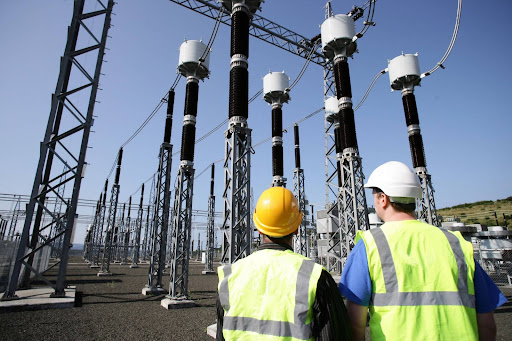
Why is Electrostatics a Major Industrial Hazard?
Static electricity may seem harmless, but in hazardous industries, even a small electrostatic discharge (ESD) can ignite explosive atmospheres. Industries handling solvents, fuels, powders, chemicals, pharmaceuticals, and petroleum products are especially vulnerable.
Common consequences include:
-
Fire and explosion hazards
-
Damage to sensitive electronic equipment
-
Product contamination
-
Unexpected process shutdowns
-
Worker injuries
-
Financial losses and regulatory penalties
Industries We Serve
Oil & Gas
Prevent electrostatic ignition during storage, loading, unloading, and transfer of flammable liquids.
Chemical Manufacturing
Control static charge generated during mixing, blending, pumping, and packaging operations.
Pharmaceutical Industry
Reduce contamination risks and protect sensitive manufacturing equipment.
Food Processing
Prevent combustible dust explosions in powder handling operations.
Paint and Coating Industry
Minimize ignition risks during spraying, mixing, and solvent handling.
Warehouses and Logistics
Manage electrostatic hazards during material handling and packaging operations.
Common Sources of Static Electricity
Electrostatic charges are generated in numerous industrial processes, including:
-
Pumping low-conductivity liquids
-
Powder conveying systems
-
Belt conveyors
-
Pneumatic transfer systems
-
Plastic packaging operations
-
Filling and emptying storage tanks
-
Mixing and blending equipment
-
Personnel movement and clothing
-
Vehicle loading and unloading
Our Electrostatics Risk Assessment Process
Site Survey
Our specialists inspect your facility to identify potential electrostatic hazards.
Hazard Identification
We evaluate equipment, materials, and operating conditions that may generate static electricity.
Risk Analysis
Potential ignition sources are assessed alongside the presence of flammable materials and combustible dust.
Control Measure Evaluation
Existing grounding, bonding, humidity control, and other protective systems are reviewed for effectiveness.
Recommendations
We provide practical engineering and administrative measures to reduce electrostatic risks.
Final Report
A comprehensive report includes identified hazards, risk levels, recommended actions, and compliance guidance.
Electrostatic Hazard Control Measures
Effective control measures may include:
-
Proper grounding and bonding
-
Static dissipative flooring
-
Anti-static clothing and PPE
-
Humidity control
-
Conductive hoses and piping
-
Ionization systems
-
Static monitoring equipment
-
Safe operating procedures
-
Employee awareness and training
Benefits of Electrostatics Risk Assessment
Choosing a professional assessment provides several advantages:
-
Reduced fire and explosion risks
-
Improved workplace safety
-
Better equipment reliability
-
Regulatory compliance
-
Lower maintenance costs
-
Reduced production downtime
-
Enhanced operational efficiency
-
Increased employee confidence
Standards and Guidelines
Our assessments follow internationally accepted standards and industry best practices wherever applicable, including guidance related to:
-
IEC 60079 Series
-
NFPA 77 – Recommended Practice on Static Electricity
-
OSHA Safety Requirements
-
ATEX Guidelines
-
IS Standards where applicable
Why Choose The Safety Master?
Experienced Safety Professionals
Our multidisciplinary team has extensive experience in industrial process safety and electrostatic hazard management.
Industry-Specific Solutions
Every facility has different risks. We deliver customized recommendations based on your operations.
Practical Risk Reduction
Our solutions focus on realistic engineering improvements that can be implemented effectively.
Comprehensive Reporting
Receive detailed reports that support safety improvements, compliance, and management decision-making.
End-to-End Support
From initial assessment to implementation guidance, our experts remain available throughout your safety improvement journey.
Protect Your Facility from Electrostatic Hazards
Electrostatic hazards should never be underestimated. A professional Electrostatics Risk Assessment helps identify hidden risks before they lead to costly incidents. The Safety Master provides expert guidance, detailed assessments, and practical safety solutions to help industries prevent electrostatic ignition, improve compliance, and protect people, assets, and business continuity. Contact The Safety Master today to strengthen your facility's electrostatic safety and risk management program.