
Understanding Process Hazard Analysis (PHA) in Industrial Risk Management
Process Hazard Analysis (PHA) is a detailed, structured examination of a process and the potential dangers involved in manufacturing, production, or maintenance. At TheSafetyMaster™, we help organizations evaluate equipment, products, and personnel safety to prevent catastrophic incidents.
A thorough PHA study acts as the foundation of a robust Process Safety Management (PSM) and chemical process risk management program. By complying with OSHA standards and industry best practices, industrial facilities can systematically uncover workplace hazards and generate effective strategies for improvement.
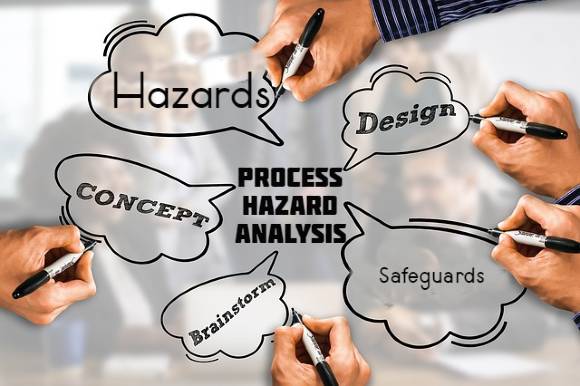
Why Your Industry Needs a Comprehensive PHA Study
Operating a manufacturing or processing plant involves complex mechanical systems, hazardous materials, and operational interfaces. Implementing a structured Process Hazard Analysis delivers vital advantages:
-
Proactive Hazard Identification: Uncover potential danger points before they result in injuries, equipment damage, or environmental spills.
-
Catastrophic Risk Mitigation: Systematically analyze potential causes and consequences of fires, explosions, and toxic chemical releases.
-
Regulatory Compliance: Meet international and local safety standards, reducing legal liabilities and downtime.
-
Informed Decision-Making: Empower management and workers with clear, qualitative rankings of hazardous situations to prioritize safety upgrades.
Key Characteristics and Core Elements Evaluated in a PHA
To formulate a complete list of generic and catastrophic process hazards, TheSafetyMaster™’s expert consultants evaluate multiple operational characteristics:
-
Raw Materials & Reactivity: Assessing intermediate and final products, chemical stability, and dangerous reactions.
-
Operating Environment: Analyzing extreme temperatures, pressures, and site-specific environmental factors.
-
Operational Activities: Reviewing routine tasks, startup, shutdown, testing, and periodic maintenance.
-
Plant Equipment & Layout: Evaluating machinery integrity, relief system sizing, and facility layout interfaces among system components.
Expanding the Spectrum of Safety: Beyond Industrial Processing
While industrial engineering primarily defines Process Hazard Analysis, the abbreviation PHA holds diverse meanings across specialized scientific, chemical, and commercial sectors. Managing safety requires recognizing how various PHA materials and chemical variants behave across different applications:
PHA in Medical, Skincare, and Chemical Formulations
-
PHA in Medical & Skincare: In dermatology and medical manufacturing, PHA acid (Polyhydroxy Acid, such as gluconolactone or galactose) is widely utilized for gentle chemical exfoliation, barrier repair, and antioxidant protection in sensitive skincare formulations. Ensuring chemical purity and safe handling during bulk production is essential.
-
PHA Chemical Handling: In chemical manufacturing plants, handling raw inputs safely requires rigorous evaluation of reactivity profiles, exposure limits, and personal protective equipment (PPE) protocols.
PHA Polymers, Bioplastics, and Packaging Solutions
-
PHA Plastic & PHA Biopolymer Packaging: Polyhydroxyalkanoates (PHAs) are a class of biodegradable, bio-based polyesters gaining massive popularity in sustainable packaging, agricultural films, and medical devices.
-
PHA Polymer & PHA Filament Processing: During the extrusion, injection molding, or 3D printing of PHA filament and industrial polymers, facilities must monitor thermal degradation limits, volatile organic compound (VOC) emissions, and dust explosion risks. Specialized safety studies ensure these green manufacturing lines remain hazard-free.
Why Choose TheSafetyMaster™ for Your PHA and Risk Management Needs?
As a global industrial risk, process safety, and safety technology partner, TheSafetyMaster™ delivers comprehensive safety solutions tailored to high-risk industries. When you partner with us, you gain:
-
Expert Consultancy: Decades of multi-industry experience in delivering high-impact PHA and HAZOP studies.
-
Tailored Risk Mitigation: Customized analysis focused on your exact plant layout, workflows, and material specifications.
-
End-to-End Safety Culture: Bridging engineering controls with employee training to build a true zero-incident workplace.