Professional Safety Audit Service for Safer Workplaces
A strong workplace safety system helps organizations prevent accidents, protect employees, reduce operational losses, and maintain compliance. The Safety Master provides professional Safety Audit Service for industries, factories, construction sites, hospitals, hotels, offices, schools, and commercial facilities.
Our safety audits are designed to identify unsafe conditions, unsafe practices, hazards, gaps in safety procedures, emergency preparedness issues, and weaknesses in existing safety management systems. The audit findings are converted into practical recommendations so organizations can take corrective and preventive actions effectively.
With an experienced team and an industry-specific approach, The Safety Master helps organizations build safer workplaces and strengthen their overall safety performance.

What Is a Safety Audit?
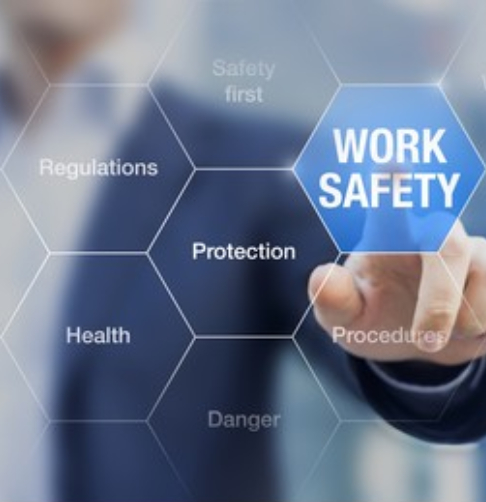
A safety audit is a systematic examination of workplace conditions, activities, equipment, procedures, documentation, and safety practices. The purpose is to identify hazards, evaluate existing controls, determine areas of non-compliance, and recommend improvements.
A professional Safety Audit Service goes beyond simply checking a safety checklist. It evaluates whether safety systems are actually implemented and whether employees, contractors, equipment, and processes are operating safely.
The audit can cover both physical workplace conditions and management systems, depending on the organization's requirements.
Why Is Safety Audit Important?
Workplace hazards can result in injuries, fires, equipment damage, production losses, environmental incidents, and legal problems. Regular safety audits help organizations identify these risks before they develop into serious incidents.
Identify Workplace Hazards
Audits help identify hazards related to machinery, electrical systems, fire protection, material handling, chemicals, work at height, housekeeping, personal protective equipment, and other workplace activities.
Improve Legal and Regulatory Compliance
A safety audit helps organizations identify gaps against applicable statutory requirements, internal standards, and safety procedures.
Reduce Accidents and Incidents
Early identification of unsafe conditions and unsafe acts allows organizations to implement corrective actions before an incident occurs.
Improve Safety Performance
Audit findings provide management with measurable information about safety weaknesses and opportunities for improvement.
Strengthen Safety Culture
Regular audits encourage employees, supervisors, contractors, and management to take greater responsibility for workplace safety.
Who Needs Safety Audit Services?
Our Safety Audit Service can support organizations across different industries and operational environments.
Manufacturing Industries
Safety audits can assess machinery safety, production activities, chemical handling, PPE, emergency systems, housekeeping, and workplace practices.
Chemical and Process Industries
Audits can focus on process hazards, hazardous materials, emergency preparedness, operating procedures, safety systems, and risk controls.
Construction Sites
Construction safety audits assess scaffolding, work at height, lifting operations, excavation, electrical safety, PPE, housekeeping, and contractor safety.
Hospitals and Healthcare Facilities
Audits can review fire safety, electrical safety, emergency preparedness, medical gases, occupational safety, and other workplace risks.
Hotels, Schools and Commercial Buildings
Audits can evaluate fire protection, emergency exits, electrical systems, housekeeping, occupational safety, and emergency response arrangements.
Types of Safety Audit Service
General Safety Audit
A General Safety Audit evaluates overall workplace safety practices and identifies hazards across departments and activities.
It may cover:
- Workplace conditions
- PPE compliance
- Machinery safety
- Housekeeping
- Material handling
- Work permits
- Emergency preparedness
- Safety procedures
- Employee awareness
- Safety documentation
Fire Safety Audit
A Fire Safety Audit focuses on fire prevention and emergency preparedness.
It may evaluate:
- Fire extinguishers
- Fire alarm systems
- Fire hydrants
- Emergency exits
- Evacuation arrangements
- Fire pumps
- Emergency lighting
- Fire drills
- Fire safety documentation
Electrical Safety Audit
An Electrical Safety Audit identifies electrical hazards that may result in electric shock, fire, equipment damage, or operational disruption.
The assessment may include:
- Electrical panels
- Wiring
- Earthing
- Electrical protection systems
- Cable management
- Load distribution
- Electrical maintenance
- Electrical work practices
Construction Safety Audit
Construction sites contain multiple high-risk activities. A construction safety audit helps identify hazards associated with:
- Work at height
- Scaffolding
- Lifting operations
- Excavation
- Electrical work
- Machinery
- PPE
- Site housekeeping
- Contractor activities
- Emergency preparedness
Our Safety Audit Process
Pre-Audit Planning
We first understand the organization's operations, processes, locations, previous incidents, existing safety procedures, and audit objectives.
Site Inspection
Our auditors conduct a systematic inspection of the workplace to identify hazards, unsafe conditions, unsafe acts, and gaps in safety controls.
Document and Record Review
Relevant safety documents and records are reviewed to understand whether safety procedures are established and properly implemented.
Employee and Management Interaction
Discussions with employees, supervisors, and management help auditors understand actual workplace practices and identify gaps that may not be visible during a physical inspection.
Risk Evaluation
Identified observations are evaluated according to their potential impact and level of risk. Critical findings can be prioritized for immediate corrective action.
Audit Report
A detailed report is prepared with observations, photographs where applicable, risk priorities, compliance gaps, and recommendations.
Corrective Action Recommendations
The organization receives practical recommendations to address identified deficiencies and improve safety performance.
Key Areas Covered in Our Safety Audit
Depending on the industry and scope, our audit may cover:
- Occupational health and safety
- Fire and emergency safety
- Electrical safety
- Machinery safety
- Chemical safety
- PPE compliance
- Work permit systems
- Lockout/Tagout practices
- Material handling
- Lifting and rigging
- Work at height
- Confined space safety
- Housekeeping
- Emergency preparedness
- Contractor safety
- Safety training
- Safety documentation
- Incident reporting
- Legal compliance
- Safety management systems
Benefits of Choosing The Safety Master
Industry-Specific Approach
Every industry has different hazards. The Safety Master develops the audit scope according to the organization's operations, activities, and risk profile.
Experienced Safety Professionals
Our approach combines workplace inspection with practical safety management knowledge to identify both visible and system-level gaps.
Practical Recommendations
Instead of providing only observations, the audit report focuses on actionable recommendations that can help management improve safety performance.
Better Risk Control
Identifying hazards and prioritizing corrective actions can help organizations reduce workplace risks and improve operational reliability.
Improved Safety Culture
Safety audits can help increase employee awareness and encourage management involvement in workplace safety.
Safety Audit Report
A professional audit report provides management with a clear picture of the organization's current safety performance.
Depending on the scope, the report may include:
- Executive summary
- Audit scope
- Audit methodology
- Positive observations
- Safety observations
- Compliance gaps
- Risk classification
- Photographic evidence
- Recommended corrective actions
- Priority levels
- Action plan
- Conclusion
The report can help management track corrective actions and continuously improve workplace safety.
Why Choose The Safety Master for Safety Audit Service?
The Safety Master provides safety consultancy, risk management, process safety, training, and audit solutions for organizations across different industries. Its service portfolio includes general safety audits as well as specialized areas such as fire safety, electrical safety, construction safety, workplace safety, and other risk-management services.
Our objective is not only to identify problems but also to help organizations understand the risks and implement practical improvements.
Build a Safer Workplace With The Safety Master
A safety audit is an important part of proactive risk management. It helps organizations identify hazards, evaluate existing controls, improve compliance, and establish a stronger safety culture.
If your organization needs a professional Safety Audit Service, The Safety Master can help assess your workplace and provide practical recommendations based on your industry and operational requirements.
Contact The Safety Master today to discuss your audit requirements and develop a customized safety audit plan.