Top Industrial Safety Challenges in Hyderabad & How Companies Can Overcome Them in 2025

Empowering Industries with Modern Safety Practices Across Haryana and Punjab
December 1, 2025
A Complete Guide to HAZOP, HIRA & QRA for Industries in Jeedimetla, Patancheru & Sangareddy
December 5, 2025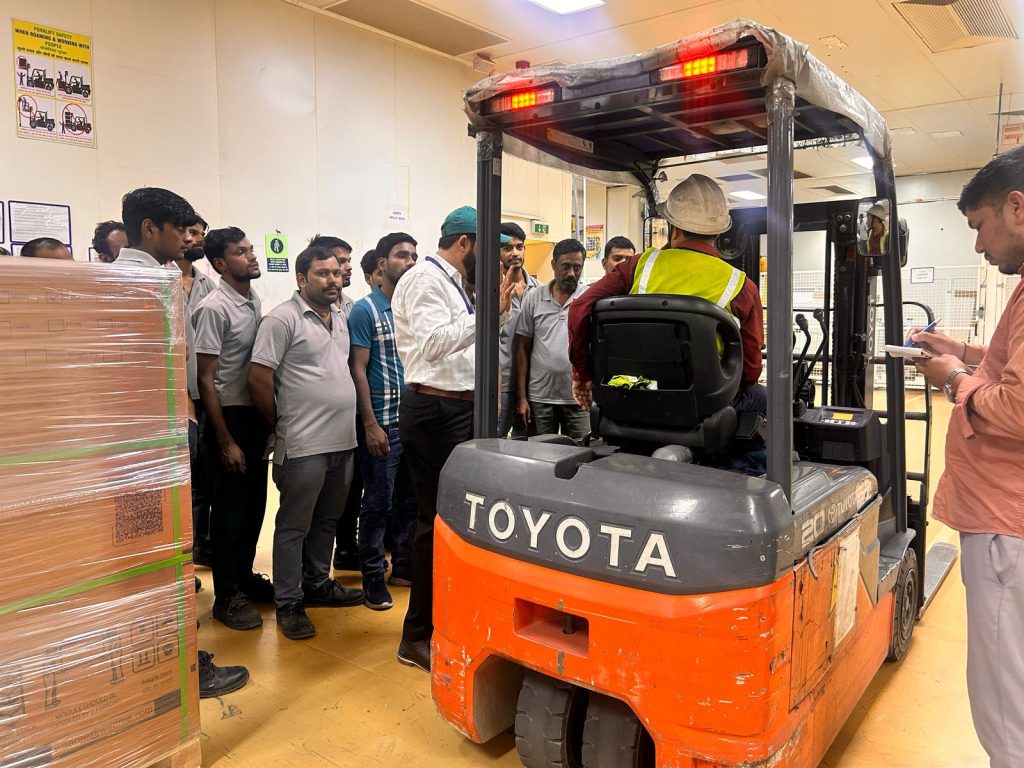
Hyderabad’s industrial zones have grown at a speed that few Indian cities can match. Pharma, chemical manufacturing, engineering, and heavy industries continue to expand across the city’s outskirts. This growth brings opportunity, but it also brings one unavoidable truth: as industrial complexity rises, so does risk. The last few years have shown that even one oversight in process safety or emergency planning can lead to severe consequences for workers, communities, and businesses.
This detailed guide explains the top industrial safety challenges companies in Hyderabad face in 2025 and lays out practical steps to solve them. The goal isn’t to scare anyone—it’s to show what’s going wrong and how companies can fix it with discipline, investment, and better leadership.
Why 2025 is a turning point for Hyderabad’s industries
A series of fire incidents, chemical leaks, and workplace accidents around Telangana in recent years exposed the same pattern: underestimated hazards, weak safety systems, aging equipment, and poor emergency readiness. When these issues repeat across sectors, it becomes a systemic problem, not a random one.
Regulators are stepping up scrutiny. Public pressure is rising. Investors now look closely at safety track records. Companies that take safety seriously will have a competitive advantage. Those that don’t are gambling with their future.
Challenge 1: Weak process safety systems in hazardous industries
Hyderabad’s industrial base includes high-risk operations such as reactors, distillation equipment, chemical storage yards, and solvent-handling units. These setups need strong technical and management systems to prevent runaway reactions, toxic leaks, and fires.
Many companies still treat Process Safety Management as paperwork, not as an operational discipline. This leads to incomplete hazard identification, outdated procedures, and weak control over process deviations.
How companies can fix it:
Strengthen Process Safety Management by integrating it into daily operations. Regularly review process hazards, enforce change-control protocols, build mechanical integrity programs, and ensure critical safety equipment is maintained and tested. Leadership must track PSM metrics the same way they track production output.
Challenge 2: Insufficient hazard analysis and design-stage reviews
A surprising number of incidents in Hyderabad stem from hazards that could have been caught during design, commissioning, or modification stages. A structured Hazop Study helps identify deviations, failure scenarios, and human-factor issues long before they turn into accidents.
The problem isn’t just skipping these studies—sometimes companies conduct them formally but fail to implement recommendations, leaving the same vulnerabilities in place.
How companies can fix it:
Perform Hazop Study during design, scale-up, and whenever a change in equipment or raw materials occurs. Include process engineers, operators, instrumentation experts, and safety professionals. Close all action items with clear deadlines and management oversight.
Challenge 3: High fire risk and poor emergency preparedness
Fire hazards remain one of the biggest threats in Hyderabad’s industrial clusters. Many facilities store flammable solvents, run heat-intensive processes, and use combustible materials daily. Yet fire systems often suffer from low maintenance, missing documentation, blocked hydrants, or untrained staff.
Poor evacuation planning and lack of coordination with local fire services worsen the problem during real emergencies.
How companies can fix it:
Conduct a detailed Fire Audit to identify gaps in hydrants, sprinklers, detection systems, and escape routes. Train workers in fire response and conduct realistic drills. Maintain passive fire-protection barriers. Keep emergency exits clear at all times and ensure fire-water systems are inspected and recorded monthly.
Challenge 4: Contractor and temporary workforce risks
Hyderabad’s industries depend heavily on contract labor. Contractors often handle the highest-risk activities: hot work, confined-space work, electrical maintenance, scaffolding, and high-level cleaning. With inconsistent training and limited supervision, accident rates among temporary workers remain disproportionately high.
How companies can fix it:
Build a structured contractor management program. Verify contractor competency before hiring. Conduct mandatory site-specific safety inductions. Enforce permit-to-work systems for high-risk jobs. Provide PPE, monitor working conditions, and assign supervisors trained in hazard recognition. Hold contractors accountable for incidents—no exceptions.
Challenge 5: Regulatory gaps and inconsistent compliance
Industrial expansion around Hyderabad has grown faster than regulatory systems. Inspection teams often face heavy workloads, and companies sometimes treat compliance as a checklist instead of a responsibility. This results in inadequate documentation, incomplete records, and gaps in monitoring.
How companies can fix it:
Treat compliance as a foundation, not a target. Conduct regular Safety Audit assessments through internal and external experts. Track findings with digital dashboards. Share safety performance updates with management monthly. Engage proactively with local regulators to stay aligned with updated norms and expectations.
Challenge 6: Occupational health, emissions, and community risks
Chemical fumes, solvent vapors, dust exposure, and noise pollution are common concerns in Hyderabad’s industrial belts. Workers face long-term health risks when engineering controls are weak. Surrounding communities may also be affected by poor air management or accidental releases.
This isn’t just a regulatory issue anymore. It impacts recruitment, public trust, and business continuity.
How companies can fix it:
Install proper ventilation, dust-collection systems, and emission-control units. Monitor air quality inside and outside the plant. Provide medical screening for employees working in high-exposure areas. Maintain transparent communication with nearby communities. Integrate environmental metrics into management KPIs.
Challenge 7: Aging machinery and backlog in maintenance
Old piping, corroded tanks, worn-out seals, unreliable sensors, and outdated electrical equipment are common findings in many Hyderabad factories. Deferred maintenance increases the likelihood of leaks, vibration-related failures, short circuits, and mechanical breakdowns.
Maintenance teams often struggle with budget constraints and limited manpower, causing backlogs to build up.
How companies can fix it:
Shift to a risk-based maintenance strategy. Categorize equipment based on failure impact. Use thermography, vibration analysis, and ultrasonic testing to predict failures. Allocate budget specifically for mechanical integrity. Track maintenance backlog weekly and make it a leadership dashboard item.
Challenge 8: Automation risks and poor control-system reliability
With industries adopting more automation, new risks emerge. Alarm flooding, poorly configured PLC logic, outdated control hardware, cyber vulnerabilities, and lack of operator training all contribute to unsafe conditions.
In critical situations, even small software or instrumentation errors can lead to major accidents.
How companies can fix it:
Audit automation systems regularly. Rationalize alarms to avoid operator overload. Train operators on the logic of control loops and safety instrumented systems. Keep documentation updated. Include cyber-risk assessment in the plant’s overall safety framework.
Challenge 9: Weak safety culture and low frontline engagement
Even with the best equipment and procedures, safety fails if people don’t believe in it. Many Hyderabad workplaces still struggle with underreporting of near misses, fear of stopping unsafe work, and inconsistent housekeeping practices.
Workers may view safety as management’s job, not a shared responsibility.
How companies can fix it:
Improve safety culture by encouraging workers to report hazards without fear. Conduct practical toolbox talks tailored to actual site conditions. Recognize safe behaviors. Maintain transparency after incidents—explain what happened and what changes will follow. Make safety a part of performance reviews for supervisors and managers.
A practical 30-60-90 day improvement roadmap
For companies unsure where to start, here’s a clear, realistic roadmap:
30-day plan:
Inspect critical equipment. Review fire systems. Conduct safety refresher training for contractors. Initiate a basic gap assessment in Process Safety Management.
60-day plan:
Complete Fire Audit, Hazop actions, and equipment testing. Upgrade emergency response plans. Begin predictive maintenance setup.
90-day plan:
Roll out a documented PSM framework. Strengthen contractor controls. Implement digital tracking for incidents and audits. Publish quarterly safety dashboards for leadership.
This structured approach helps companies move from reactive fixes to a proactive, sustainable safety model.
Why investing in safety makes financial sense
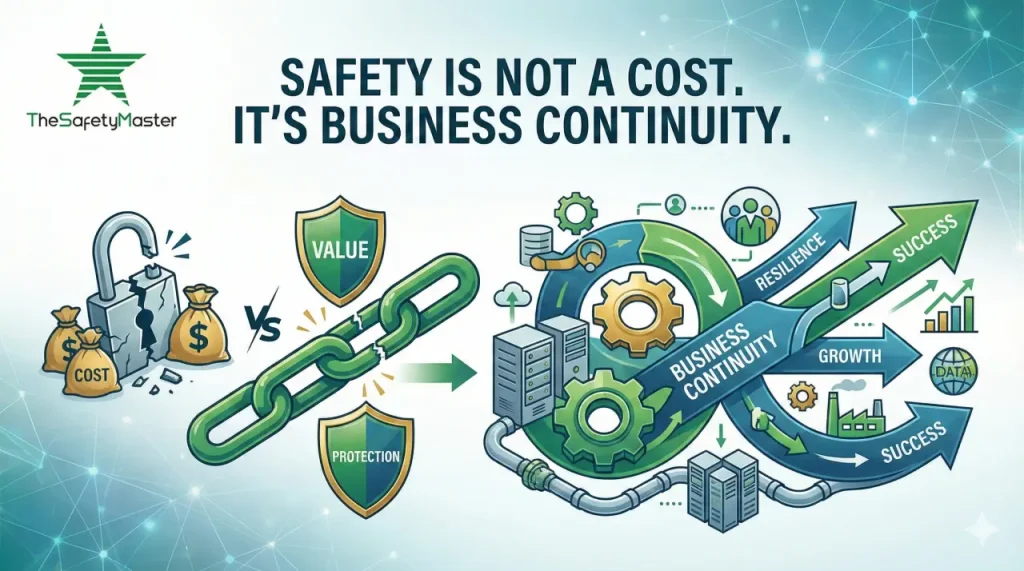
Safety isn’t just a moral obligation—it’s a business strategy. Strong safety systems reduce downtime, improve productivity, lower insurance premiums, and protect against regulatory penalties. The cost of one serious incident far exceeds the investment required for preventive measures.
Companies that invest in proactive safety find it easier to attract global clients, comply with audits, and qualify for certifications. Safety performance is now a visible part of brand reputation, especially in the pharma and chemical sectors.
Final thoughts: 2025 must be the year safety becomes non-negotiable
Hyderabad’s industries are entering a phase where growth and safety must advance together. The risks are real, but so are the solutions. Establish strong Process Safety Management. Conduct Hazop Study with discipline. Perform regular Fire Audit and Safety Audit cycles. Upgrade machinery, train your workforce, and build a culture where everyone owns safety—not just the HSE team.
Companies that take action now will reduce risk, protect their people, strengthen public trust, and build a more resilient future. Those that ignore these challenges may find themselves paying a price they can’t afford.