Your Annual Safety Partner — Not Just an Auditor

Prevent One Incident. Save Crores
March 13, 2026
Why Safety Should Not Be a Once-a-Year Activity
Many organizations approach safety reviews as an annual requirement. An audit is conducted, reports are generated, and corrective actions are documented. After the audit is completed, safety discussions often slow down until the next scheduled review. While periodic audits are essential, relying only on annual evaluations can create gaps in risk management.
Workplace hazards evolve continuously. Equipment conditions change, processes are modified, employees rotate roles, and environmental conditions shift. If safety oversight occurs only once a year, many emerging risks may remain unnoticed for months. This is why organizations increasingly recognize the value of working with a long-term safety partner rather than relying solely on occasional auditors.
A safety partner contributes to continuous monitoring, structured evaluation, and ongoing improvement rather than providing only periodic assessments.
The Difference Between an Auditor and a Safety Partner
An auditor primarily evaluates compliance at a specific moment. The goal of an audit is to verify whether safety policies, procedures, and equipment meet regulatory standards. This process is valuable for identifying gaps and ensuring compliance.
A safety partner, however, plays a broader role. Instead of reviewing systems only during scheduled evaluations, a safety partner supports ongoing risk identification, operational improvements, and preventive strategies. The focus shifts from simply identifying issues to continuously strengthening safety systems.
This partnership approach helps organizations maintain consistent safety performance throughout the year rather than only during inspection periods.
Continuous Risk Identification
Risk identification is most effective when performed regularly. Many hazards develop gradually due to operational changes, maintenance delays, or evolving workplace conditions. Without continuous monitoring, these risks may remain hidden until they result in incidents.
Structured analytical methods such as a Hazop Study help organizations examine process deviations that could lead to hazardous situations. When conducted as part of an ongoing safety partnership, these evaluations support proactive risk management rather than reactive problem solving.
Regular assessments ensure that operational changes are reviewed carefully and that safety controls remain effective.
Fire Safety Requires Ongoing Attention
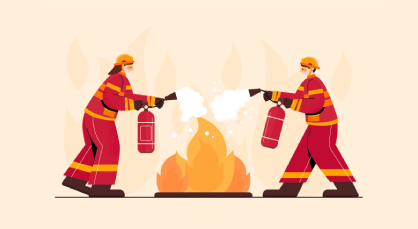
Fire hazards often emerge from routine operational factors such as electrical overloads, improper storage of flammable materials, or inadequate maintenance of equipment. These conditions may develop slowly and remain unnoticed until an emergency occurs.
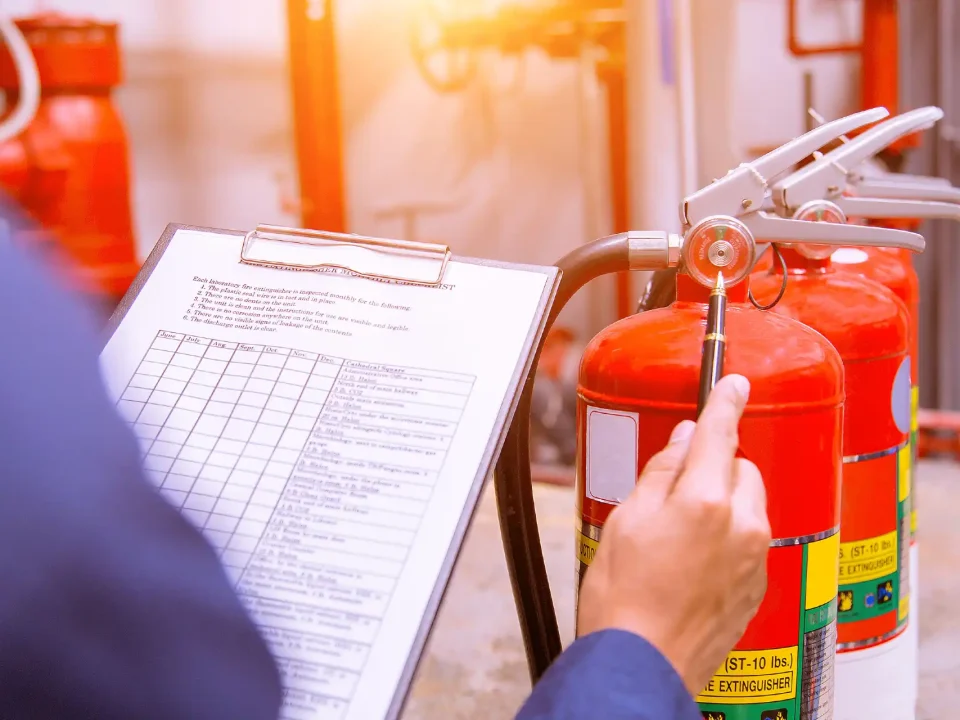
A structured Fire Audit evaluates fire detection systems, suppression equipment, evacuation routes, and emergency preparedness procedures. When these evaluations are integrated into a continuous safety program, organizations can track improvements, verify maintenance activities, and strengthen fire prevention strategies.
A safety partner ensures that fire safety measures are reviewed regularly rather than treated as occasional compliance tasks.
Strengthening Organizational Safety Systems
Safety systems consist of multiple elements, including policies, procedures, training programs, equipment inspections, and incident reporting mechanisms. For these systems to function effectively, they must be monitored and updated regularly.
Periodic reviews such as a Safety Audit provide valuable insights into workplace conditions and operational practices. However, a safety partnership ensures that audit findings lead to long-term improvements rather than temporary corrections.
By working with organizations throughout the year, safety partners help track corrective actions, monitor progress, and support continuous improvement.
Managing Complex Industrial Processes
Industrial environments often involve processes that require careful monitoring. Chemical reactions, mechanical operations, and automated systems can create hazardous situations if not properly controlled. Managing these risks requires structured oversight and disciplined operational practices.
Frameworks such as Process Safety Management help organizations establish procedures for hazard identification, operational control, and incident investigation. When these frameworks are integrated into ongoing safety programs, organizations gain better control over complex processes.
A safety partner helps ensure that these systems remain effective as operations evolve.
Supporting Employee Awareness and Engagement
Employees play a critical role in maintaining workplace safety. Workers who operate equipment daily often notice unusual conditions before they become serious hazards. Encouraging employees to report near misses, unsafe conditions, and procedural concerns improves hazard visibility.
Safety partnerships often include training programs that strengthen employee awareness and risk recognition. Training helps workers understand how to identify hazards, follow procedures, and respond appropriately during emergencies.
When employees are actively involved in safety initiatives, organizations gain an additional layer of protection against incidents.
Data-Driven Safety Improvements
Modern safety management increasingly relies on data analysis. Incident reports, inspection records, maintenance logs, and training participation provide valuable insights into workplace conditions.
Analyzing this information helps organizations identify patterns and trends that may indicate emerging risks. For example, repeated equipment failures may suggest maintenance issues, while frequent near misses may highlight operational weaknesses.
A safety partner helps organizations interpret this data and implement targeted improvements based on evidence rather than assumptions.
Building a Long-Term Safety Culture
Safety culture develops when safe practices become routine within an organization. Leadership commitment, clear communication, and consistent enforcement of safety standards contribute to this culture.
When organizations engage with safety partners regularly, safety discussions remain active throughout the year. Employees receive continuous guidance, and management remains informed about evolving risks.
This consistent focus helps create an environment where safety becomes part of everyday operations rather than a periodic compliance activity.
The Value of Long-Term Collaboration
Working with a safety partner provides long-term benefits that extend beyond individual audits. Continuous support improves hazard identification, strengthens safety systems, and enhances employee awareness.
Organizations that maintain ongoing safety partnerships often experience fewer incidents, improved operational stability, and stronger regulatory compliance. Preventive strategies reduce the likelihood of costly disruptions and help protect both employees and infrastructure.
Conclusion: Beyond the Annual Audit
Audits remain an important component of safety management, but they should not be the only method of evaluating workplace risks. Organizations benefit most when safety is treated as a continuous process supported by structured evaluation and ongoing collaboration.
A long-term safety partner helps organizations maintain consistent oversight, identify emerging hazards, and strengthen safety systems throughout the year. By shifting from periodic auditing to continuous partnership, organizations create safer workplaces and more resilient operations.