The 3-Year Danger Zone: Why Your Outdated Safety System is a Liability

Compliance Today, Continuity Tomorrow: Why Safety is Your Best Business Strategy
February 2, 2026
Accidents Don’t Happen by Chance. They Happen by Design Gaps.
February 7, 2026
In the high-stakes environment of industrial operations, manufacturing, and hazardous process industries, complacency is the silent enemy. There is a comforting illusion that often settles over facility managers and EHS personnel when a robust safety system is installed. The lights are green, the control panel is humming, and the initial investment feels justified. A mindset of “set it and forget it” begins to take hold.
However, in the realm of operational safety, static equals vulnerable.
At Safety Master, we have observed a critical inflection point in the lifecycle of safety infrastructure: the three-year mark. We call this the “3-Year Danger Zone.” It is the point where systems that were once state-of-the-art begin to transition from assets into liabilities.
If your safety protocols, hardware, software, and training modules haven’t had a comprehensive, deep-dive review in the last 36 months, you aren’t just maintaining the status quo; you are actively accumulating risk. Here is why an outdated safety system is a ticking time bomb in your facility, and why modernization is not just an option, but an urgent necessity.
The Velocity of Technological Change
The primary reason the three-year mark is so critical is the sheer velocity at which industrial technology is evolving. We are living through Industry 4.0, characterized by rapid advancements in the Industrial Internet of Things (IIoT), smart sensors, real-time data analytics, and AI-driven predictive maintenance.
A safety system designed four years ago was likely built on the assumptions of a different technological era.
- Legacy Connectivity: Older systems often lack the connectivity required for modern, centralized monitoring. They operate in silos, providing isolated data rather than a holistic view of plant safety.
- Sensor Drift and Degradation: Physical hardware has a shelf life. Gas detectors, pressure sensors, and heat monitors experience “drift” over time. While routine calibration helps, the underlying technology of a sensor manufactured today is vastly superior in accuracy, speed, and self-diagnostics compared to one made three years ago. Relying on aging sensors means you are trusting data that may no longer reflect reality.
- The Cybersecurity Blind Spot: As operational technology (OT) converges with information technology (IT), safety systems are increasingly connected to networks. A three-year-old system likely contains outdated software and unpatched vulnerabilities that modern cyber threats can easily exploit. A compromised safety system doesn’t just mean downtime; it can mean the deliberate disabling of critical alarms.
The Drift of Operational Reality
Your facility is a living organism. It changes constantly. Over a three-year period, it is highly improbable that your floor layout, production processes, staffing levels, or chemical inventories have remained exactly the same.
Have you introduced new machinery? Have you increased production speeds? Have you changed raw materials?
A safety system is designed around a specific set of operational parameters known at the time of installation. When those parameters shift, the safety system—unless updated—does not shift with them.
For example, a fire suppression system designed for a warehouse storing Class A materials may be woefully inadequate if that same warehouse now stores flammable liquids or high-density plastics. Without a periodic, dedicated Fire Safety Audit, these discrepancies between the current operational reality and the legacy protection system go unnoticed until an incident occurs. The system hasn’t “failed” in a technical sense; it has simply become irrelevant to the new risks present in the environment.
The Regulatory Gap
Regulatory bodies and international standards organizations (ISO, OSHA, NFPA, etc.) are constantly updating their guidelines based on new incident data and emerging technologies. What was fully compliant in 2021 may be borderline, or even non-compliant, today.
Maintaining a three-year-old system without review is essentially gambling that regulations haven’t tightened in your specific sector.Ignorance of a new standard is never an accepted defense during post-incident investigations. Staying ahead of the compliance curve requires proactive system reviews, not just reactive patches when an inspector points out a deficiency.
The Human Element and False Confidence
Perhaps the most insidious danger of an outdated system is the psychological effect it has on the workforce. A visible, expensive safety system creates a powerful sense of security. Workers trust that if something goes wrong, the “system” will handle it.
When that system is three years behind the curve, this confidence becomes false comfort.
Furthermore, as systems age, they often develop quirks—nuisance alarms or intermittent faults that operators learn to ignore or bypass. This normalization of deviance is a leading precursor to major industrial accidents.
If your hardware is outdated, your training likely is too. Are your operators trained to recognize the failure modes of aging equipment? Are they relying on automated responses that might no longer trigger correctly? Modern safety is holistic. It requires updating not just the machines, but the mindset of the people running them. Implementing refresher courses, such as Behavior-Based Safety Training, ensures that your team’s safety reflexes are as sharp as the technology they are supposed to be using.
Breaking Free from the Danger Zone: The Path to Modernization
Admitting that a multi-million dollar investment made just a few years ago needs updating is a difficult conversation for any Safety Manager to have with the C-suite. However, the cost of modernization is always a fraction of the cost of a catastrophic failure, regulatory fines, or reputational damage.
Escaping the 3-Year Danger Zone requires a shift from reactive maintenance to proactive lifecycle management.
1. Re-evaluate the Hazards
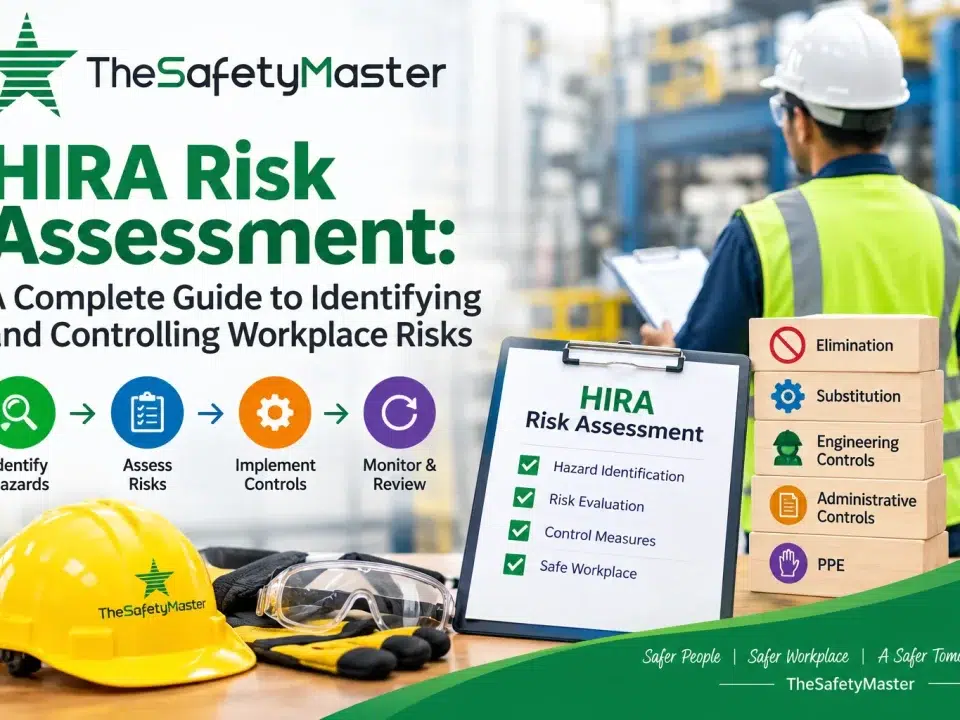
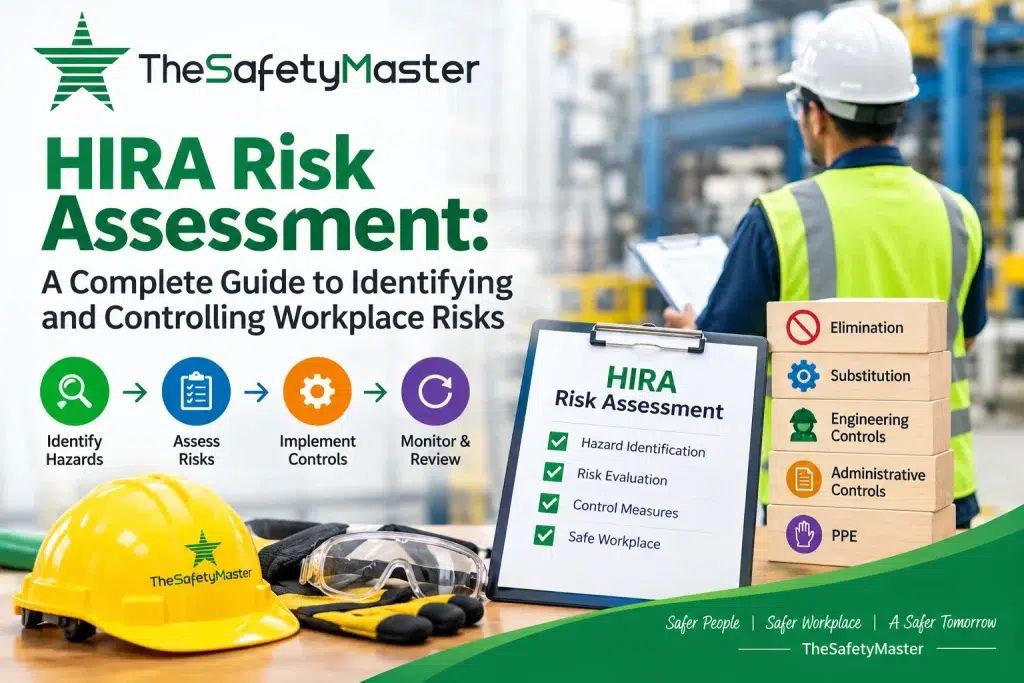
Before buying new hardware, you must re-evaluate the risks. Since your process has likely changed, your hazard analysis must change too. Engaging in updated HAZOP Training (Hazard and Operability Study) for your key personnel enables your team to systematically identify new risks that have crept in over the last three years. You cannot apply the right protection if you don’t understand the current risks.
2. The Comprehensive System Audit
Don’t just rely on vendor maintenance checks. You need an unbiased, third-party evaluation of your entire safety ecosystem—from the sensor on the pipe to the evacuation protocol in the binder. A professional Safety Audit Service will look beyond mere compliance; it will evaluate the actual effectiveness of your system in the context of your current operations, highlighting the gaps created by time and change.
3. Strategic Upgrades vs. Rip-and-Replace
Modernizing doesn’t always mean ripping out everything and starting from scratch. Often, legacy systems can be augmented with modern IIoT gateways, smarter sensors at critical control points, and updated software layers that provide better visibility without requiring a total plant shutdown. The goal is intelligent integration that brings the system out of the danger zone and into the modern era of predictive safety.
Conclusion
In safety, time is not an ally. Three years is an eternity in technology, regulations, and operational shifts. If your safety system is celebrating its third birthday without a major overhaul, do not celebrate its reliability; question its relevance.
Don’t wait for a near-miss or an accident to reveal the gaps in your aging infrastructure. Acknowledge the “3-Year Danger Zone” and take proactive steps today to ensure your systems are capable of protecting your most valuable assets tomorrow.