Fire Safety Audit: The First Step to Prevent a Fire

Electrostatic Hazards Assessment by TheSafetyMaster
May 19, 2023
6 Key Elements to Include in Your Safety Manual
May 22, 2023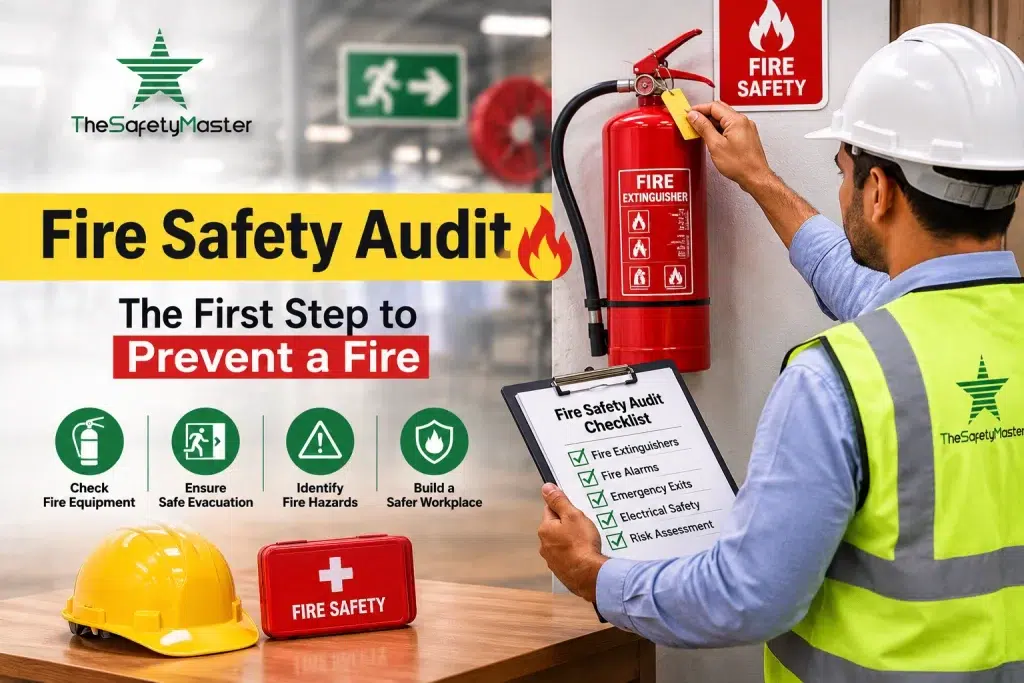
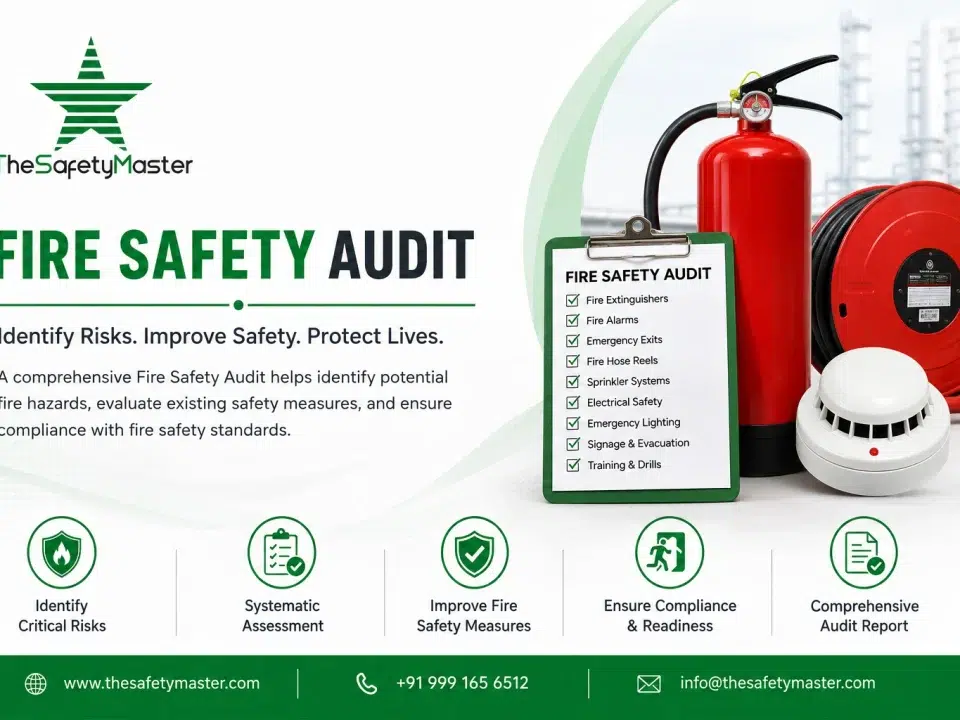
Fire safety is an essential part of protecting people, property, equipment, and business operations. A Fire Safety Audit provides a systematic way to identify fire hazards, evaluate existing safety systems, and find gaps that could increase the risk of a fire. For workplaces, commercial buildings, factories, warehouses, and industrial facilities, regular fire safety audits can help organizations take preventive action before a small hazard becomes a major emergency.
What Is a Fire Safety Audit?
A Fire Safety Audit is a detailed examination of a building, workplace, or industrial facility to assess its fire prevention and protection arrangements. The audit looks at potential fire hazards, fire-fighting equipment, emergency exits, electrical installations, evacuation procedures, alarm systems, emergency preparedness, and employee awareness.
The main purpose is not simply to identify problems. It is to provide practical recommendations that help an organization reduce fire risks and improve its overall emergency preparedness.
A professional audit can also help organizations evaluate whether their existing arrangements are appropriate for the nature, size, and risk profile of the facility.
Why Is Fire Safety Audit Important?
A fire can develop rapidly and cause injuries, fatalities, equipment damage, production losses, and business interruption. Identifying weaknesses before an emergency occurs is therefore a critical part of fire prevention.
1. Identifies Potential Fire Hazards
A fire safety audit examines areas where a fire could start or spread. Common hazards include:
- Electrical faults and overloaded circuits
- Improper storage of combustible materials
- Flammable liquids and gases
- Poor housekeeping
- Blocked emergency exits
- Unsafe hot work activities
- Inadequate ventilation
- Improper chemical storage
- Smoking in restricted areas
- Poor maintenance of equipment
Identifying these hazards allows management to take corrective action before they result in an incident.
2. Checks Fire Protection Systems
Fire protection equipment must be available, accessible, and maintained properly. An audit can review:
- Fire extinguishers
- Fire hydrant systems
- Fire sprinkler systems
- Fire alarm and detection systems
- Fire pumps
- Hose reels
- Emergency lighting
- Fire doors
- Smoke detection systems
- Fire control panels
The audit should verify whether these systems are suitable for the identified risks and whether required inspections and maintenance are being carried out.
3. Evaluates Emergency Exits and Evacuation Routes
During a fire, people need to evacuate quickly and safely. Emergency routes should therefore be clearly identified and kept free from obstruction.
A fire audit reviews whether:
- Exit routes are clearly marked.
- Emergency doors can be opened when required.
- Exit pathways are free from storage and obstruction.
- Emergency lighting is available.
- Evacuation signage is visible.
- Assembly areas are properly identified.
- Employees understand evacuation procedures.
4. Supports Regulatory Compliance
Fire safety requirements can vary according to the type of building, occupancy, industry, location, and applicable regulations. Regular audits help organizations identify areas where their fire safety arrangements may not meet applicable requirements.
Compliance should not be treated as a paperwork exercise. The ultimate objective is to protect life and reduce the consequences of fire emergencies.
Key Areas Covered During a Fire Safety Audit
A comprehensive audit should cover both physical safety arrangements and organizational preparedness.
Fire Prevention Measures
Auditors examine conditions that could initiate or contribute to a fire. This can include electrical installations, combustible materials, ignition sources, housekeeping, storage practices, and hot work activities.
Fire Detection and Alarm Systems
The audit reviews whether fire detection and alarm systems are appropriately installed, maintained, accessible, and tested according to applicable requirements.
Fire-Fighting Equipment
Fire extinguishers, hydrants, sprinklers, hose reels, pumps, and other fire-fighting systems should be assessed for their availability, accessibility, condition, identification, and maintenance.
Emergency Preparedness
A facility should have a clear emergency response plan defining responsibilities and actions during a fire.
The audit may evaluate:
- Emergency contact information
- Evacuation procedures
- Emergency response responsibilities
- Assembly points
- Communication systems
- Fire drills
- Employee training
- Coordination with emergency services
Electrical Safety
Electrical problems are an important area of fire-risk assessment. Auditors may review electrical panels, wiring, cables, distribution boards, earthing, temporary connections, overloading, and maintenance practices.
Storage and Housekeeping
Poor housekeeping can allow combustible materials to accumulate and increase the likelihood or severity of a fire. Storage arrangements should be reviewed to ensure materials are properly segregated and stored.
Step-by-Step Fire Safety Audit Process
A structured audit helps ensure that important areas are not missed.
Step 1: Understand the Facility
Before beginning the physical inspection, the auditor should understand the facility’s activities, occupancy, processes, materials, equipment, and major fire risks.
Step 2: Review Available Documents
Relevant documents may include:
- Fire safety plans
- Emergency response plans
- Inspection records
- Maintenance records
- Fire drill reports
- Equipment test certificates
- Electrical inspection reports
- Training records
Step 3: Conduct a Physical Inspection
The auditor walks through the facility and examines fire hazards, fire protection systems, emergency exits, electrical installations, storage areas, and other relevant locations.
Step 4: Identify Gaps and Risks
Observed deficiencies are documented and evaluated according to their potential impact. High-priority risks should receive immediate attention.
Step 5: Recommend Corrective Actions
Recommendations should be practical and clearly explain what needs to be improved. Where appropriate, responsibilities and target completion dates can be assigned.
Step 6: Prepare the Audit Report
The final report should provide a clear record of observations, risks, photographs or evidence where appropriate, recommendations, and priority actions.
Step 7: Follow Up
An audit is most effective when findings are actually corrected. Organizations should track corrective actions and conduct follow-up reviews to confirm implementation.
Benefits of Regular Fire Safety Audits
Regular audits can provide several important benefits:
- Better identification of fire hazards
- Improved emergency preparedness
- Reduced risk of fire-related losses
- Improved employee awareness
- Better maintenance of fire protection systems
- Improved evacuation arrangements
- Identification of compliance gaps
- Protection of people, property, and assets
- Reduced potential business interruption
- Continuous improvement of workplace safety
Role of Employee Training in Fire Safety
Fire safety equipment alone cannot guarantee workplace safety. Employees must understand what to do when a fire emergency occurs.
Training can cover:
- Fire prevention practices
- Types of fire
- Basic extinguisher awareness
- Emergency evacuation
- Alarm procedures
- Emergency communication
- Assembly points
- Reporting unsafe conditions
- Participation in fire drills
Regular drills can help employees become familiar with evacuation routes and emergency procedures.
How The Safety Master Can Help
The Safety Master provides safety and fire safety solutions designed to help organizations identify hazards, improve safety arrangements, and strengthen emergency preparedness.
A professional approach to fire safety can include assessment of fire hazards, fire protection systems, emergency procedures, evacuation arrangements, employee awareness, and corrective actions.
The Safety Master also works across broader safety areas such as risk assessment, process safety, HAZOP studies, safety audits, and safety training. A structured approach helps organizations move beyond basic compliance toward continuous safety improvement.
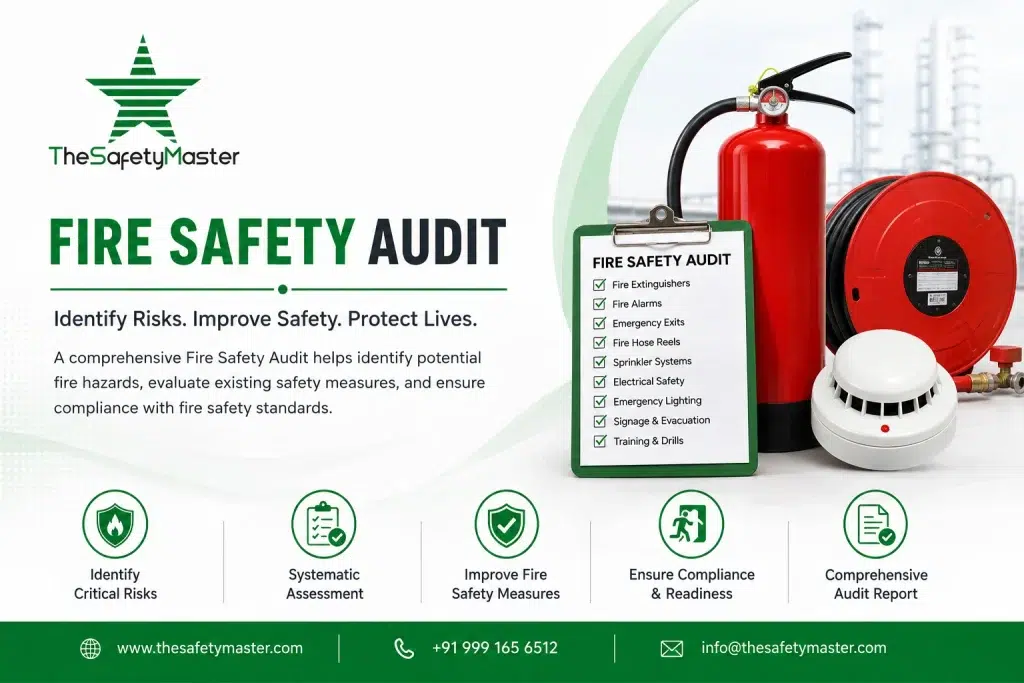
Fire Safety Audit Checklist
A basic checklist can include the following:
| Audit Area | Key Check |
|---|---|
| Fire Extinguishers | Correct type, accessible, inspected |
| Fire Hydrant | Availability and condition |
| Fire Alarm | Functional and tested |
| Emergency Exits | Clear and accessible |
| Emergency Lighting | Available and functional |
| Electrical Systems | No visible unsafe conditions |
| Storage | Combustibles properly controlled |
| Housekeeping | Clean and free from unnecessary combustible waste |
| Fire Doors | Properly maintained |
| Emergency Plan | Current and communicated |
| Fire Drills | Conducted periodically |
| Employee Training | Appropriate awareness and training |
Conclusion
A Fire Safety Audit is one of the most important proactive measures an organization can take to identify fire hazards and improve workplace preparedness. It provides an opportunity to examine fire prevention measures, emergency systems, evacuation arrangements, employee awareness, and compliance gaps before an emergency occurs.
Fire prevention should never be considered a one-time activity. Regular inspections, maintenance, training, drills, and follow-up actions are essential for creating a strong fire safety culture. Organizations that take a proactive approach can better protect their employees, assets, operations, and business continuity.
With professional guidance from The Safety Master, organizations can strengthen their fire safety arrangements and work toward safer, more resilient workplaces.
Frequently Asked Questions (FAQs)
1. What is a Fire Safety Audit?
A Fire Safety Audit is a systematic assessment of a workplace, building, or facility to identify fire hazards and evaluate fire prevention, detection, protection, and emergency response arrangements.
2. Why is a Fire Safety Audit important?
It helps identify fire hazards and weaknesses in existing safety systems before they result in an emergency. It can also improve emergency preparedness, employee awareness, and compliance with applicable fire safety requirements.
3. What does a Fire Safety Audit cover?
A comprehensive audit may cover fire extinguishers, hydrants, sprinklers, alarms, emergency exits, electrical systems, storage areas, housekeeping, emergency plans, fire drills, training, and other fire protection arrangements.
4. How often should a Fire Safety Audit be conducted?
The appropriate frequency depends on the type of facility, level of fire risk, applicable requirements, changes in operations, and previous audit findings. High-risk facilities may require more frequent assessments.
5. Who should conduct a Fire Safety Audit?
A Fire Safety Audit should be conducted by competent professionals with appropriate knowledge and experience in fire safety, risk assessment, fire protection systems, and applicable requirements.