Future-Proofing Your Workforce: Why Culture Trumps Compliance

Your Annual Safety Partner — Not Just an Auditor: The Safety Master
February 9, 2026
Safety Governance That Works Even When Consultants Leave
February 13, 2026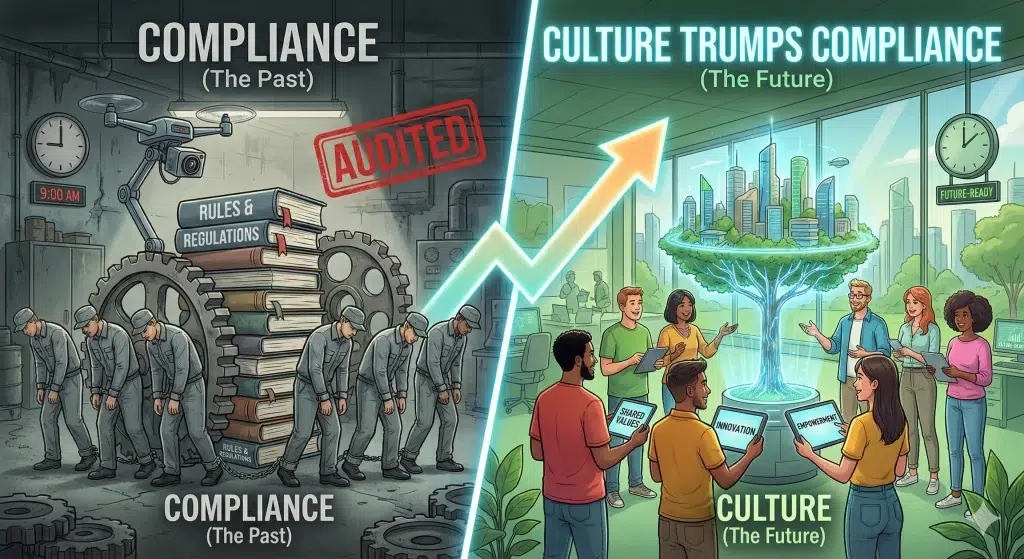
Let’s face it: the business landscape in India’s major hubs—from the corporate towers of Mumbai and Gurugram to the tech parks of Bangalore and Hyderabad—is moving at breakneck speed. We are constantly chasing innovation, efficiency, and market share. In this high-stakes environment, “safety” often gets relegated to a binder on a shelf, a box to be checked during an annual inspection.
For many organizations, safety is synonymous with compliance. Did we meet the regulatory minimums? Do we have the required permits? Are the fire extinguishers tagged? If the answer is yes, management breathes a sigh of relief and moves back to “real business.”
But here is the uncomfortable truth that forward-thinking leaders need to embrace: Compliance is merely the starting line, not the finish line.
If your safety strategy relies solely on adhering to rules written decades ago, you aren’t protecting your business; you are exposing it. In a rapidly evolving industrial and corporate world, compliance is static. Risks, however, are dynamic.
To truly future-proof your workforce and your organization, you need to make a critical pivot: moving from a mindset of compulsory compliance to a culture of voluntary safety. At The Safety Master, we believe that while compliance keeps you out of trouble today, only culture secures your tomorrow.
Here is why culture beats compliance every time, and how you can bridge the gap.
The Compliance Trap: Why “Good Enough” Fails
Don’t get us wrong—compliance is essential. It is the bedrock upon which industrial safety is built. Laws and regulations exist for a reason, usually written in the aftermath of past tragedies. Ignoring them is legally and ethically unacceptable.
However, a compliance-first mindset has severe limitations in a modern business environment.
1. It’s Reactive, Not Proactive: Compliance is often about looking backward. It addresses known hazards that have already been legislated against. It doesn’t account for emerging risks in new technologies, novel chemical processes, or changes in workforce dynamics. A compliance mindset asks, “Did we break a rule?” A culture mindset asks, “Where is the next risk hidden?”
2. It Creates a “Policing” Environment: When safety is just about following rules, the safety department becomes the internal police force. Employees hide near-misses for fear of punishment. They wear PPE only when the manager is watching. This creates an illusion of safety, masking deeper systemic issues that only surface when a major incident occurs.
3. It Doesn’t Engage the Hearts and Minds: You cannot legislate employee engagement. Compliance gets people to do the bare minimum to avoid getting fired. It doesn’t inspire them to look out for their colleagues, to suggest safer ways of working, or to take ownership of their environment.
In the competitive markets of Tier 1 India, doing the bare minimum is a recipe for stagnation.
The Culture Advantage: The Invisible Shield
So, what does a true “safety culture” look like?
It’s the intangible vibe you get when you walk onto a shop floor or into an office where safety is woven into the DNA. It’s not something you read in a manual; it’s how things are actually done around here, especially when no one is watching.
A robust safety culture is characterized by:
- Psychological Safety: Employees feel empowered to stop work if they perceive danger, without fear of retribution from management. They know that raising a concern will be met with “thank you,” not “get back to work.”
- Shared Ownership: Safety isn’t just the Safety Officer’s job. From the CEO in the boardroom to the newest recruit on the floor, everyone understands their role in keeping the ecosystem safe.
- Continuous Learning: Incidents and near-misses aren’t hidden; they are celebrated as learning opportunities. The focus isn’t on who messed up, but what in the system allowed it to happen.
When you shift to a culture-based approach, you aren’t just preventing accidents; you are unlocking business value.
The Business Case for Culture
For the skeptical CFOs and Operations Heads in our major metros who demand ROI, here is why investing in safety culture is a smart business move:
- Talent Retention in a Competitive Market: Top talent today, especially millennials and Gen Z in hubs like Pune or Chennai, want to work for organizations that value human life. A strong safety culture is a massive differentiator in employer branding.
- Operational Excellence: A safe plant is usually an efficient plant. The discipline required for high safety standards translates directly into better quality control and fewer operational downtimes caused by accidents.
- ESG and Reputation: Environmental, Social, and Governance (ESG) criteria are becoming critical for investors. A robust safety culture is a key pillar of the ‘S’ in ESG. One major, preventable accident can destroy a reputation built over decades.
Bridging the Gap: How to Move from Compliance to Culture
Moving from a compliance mindset to a safety culture is a journey, not a switch you flip. It requires leadership commitment, time, and the right expertise. It involves moving beyond tick-box exercises and utilizing sophisticated tools to understand your unique risk profile.
At The Safety Master, we help organizations navigate this transition by using compliance tools as stepping stones toward cultural change. Here is how we do it:
1. Deep-Dive Risk Assessments (Beyond the Obvious)
Compliance checks often miss subtle design flaws in complex operations. To build a culture of safety, you must first fully understand your risks. This requires rigorous, systematic examination.
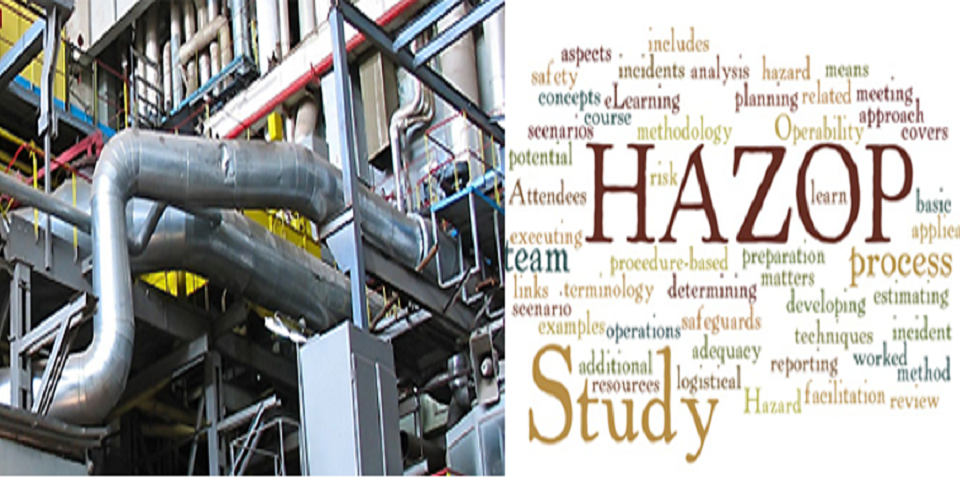
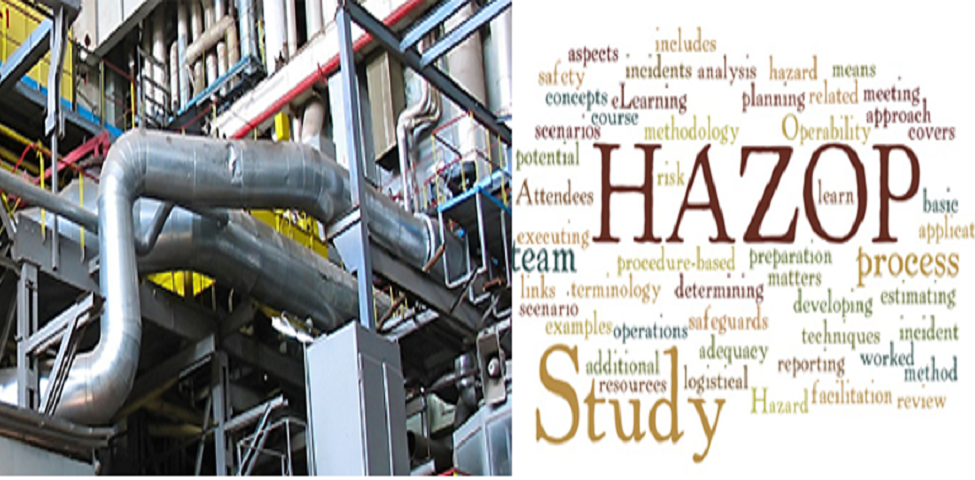
For organizations involved in complex manufacturing or chemical processes, a superficial check isn’t enough. We utilize specialized methodologies like the Hazop Study (Hazard and Operability Study). This isn’t just about checking if a valve exists; it’s a structured brainstorming session by experts to identify how deviations from design intent can occur and what the consequences might be. By identifying these hidden threats early, you demonstrate a commitment to proactive safety that goes far beyond basic legal requirements.
2. Holistic Management Systems
Culture cannot exist in a vacuum; it needs a framework. You need a management system that integrates safety into everyday business processes rather than treating it as a sidecar.
For high-hazard industries, implementing comprehensive Process Safety Management (PSM) is crucial. PSM isn’t just a set of rules; it’s a disciplined framework for managing the integrity of operating systems and processes handling hazardous substances. It forces an organization to look at the big picture—training, mechanical integrity, operating procedures, and change management—all under one umbrella. When employees see this level of systemic commitment, the culture begins to shift.
3. Audits as Learning Tools, Not Exams
In a compliance culture, audits are feared. In a safety culture, audits are welcomed as health checks.
We need to reframe the purpose of routine inspections. A general Safety Audit shouldn’t just be about finding faults to punish. It should be a collaborative exercise to identify gaps between “work as imagined” by management and “work as done” by the frontline staff.
Similarly, critical, specific checks like a Fire Audit must go beyond just counting extinguishers. A culture-focused fire audit assesses readiness: Do people actually know the evacuation routes? Are the emergency response teams truly prepared? It turns a passive compliance requirement into an active state of readiness.
Conclusion: The Future belongs to the Safe
The businesses that will thrive in India’s next decade of growth won’t be the ones that just barely scrape by regulations. They will be the ones that view safety as a core value, an operational asset, and a moral imperative.
Future-proofing your workforce means realizing that your greatest asset isn’t your machinery or your IP; it’s your people. Protecting them requires more than a rulebook. It requires a culture where safety is breathed, lived, and practiced every single day.
Compliance may let you survive today. But only culture will let you thrive tomorrow. Let The Safety Master help you build safety that stays.