If You Can’t See Risk, You Can’t Control It

Safety Software Built by Safety Professionals – The Safety Master
March 5, 2026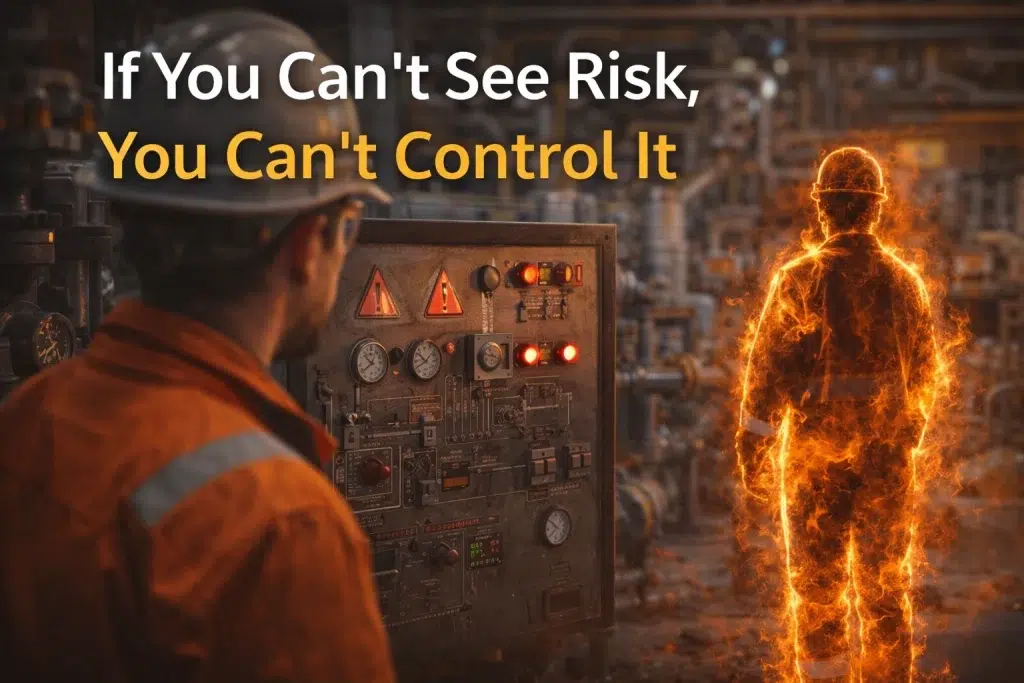
Why Risk Visibility Is the Foundation of Safety
Every workplace contains risks, whether visible or hidden within operations, equipment, or processes. The challenge many organizations face is not the presence of risk but the inability to recognize it early. When hazards remain unnoticed, they develop silently until they eventually lead to accidents, injuries, equipment damage, or operational disruption.
Risk visibility is the ability to identify hazards before they cause harm. It involves observing workplace conditions, analyzing processes, and understanding how small deviations can evolve into serious incidents. Without this awareness, organizations operate reactively rather than proactively.
Hidden Risks in Everyday Operations
Many workplace hazards are not immediately obvious. Some develop gradually through operational changes, maintenance delays, or human behavior. Electrical systems may degrade over time, storage conditions may slowly become unsafe, and equipment may operate outside recommended limits.
These risks often remain unnoticed because they appear routine. Workers become familiar with their environment and may stop questioning small irregularities. Over time, this normalization of risk can create dangerous conditions.
Developing systems that help identify such risks early is essential for maintaining a safe workplace.
The Role of Structured Hazard Identification
Risk identification requires structured methods rather than casual observation. Safety professionals use analytical techniques to examine processes and predict possible deviations.
One such method is a Hazop Study, which systematically evaluates process operations to identify deviations that could lead to hazardous outcomes. By analyzing parameters such as pressure, temperature, and material flow, organizations can anticipate potential failures before they occur.
This structured approach ensures that hazards are identified even when they are not immediately visible.
Fire Risks That Often Go Unnoticed
Fire hazards frequently develop from conditions that appear minor at first. Overloaded electrical circuits, blocked emergency exits, improperly stored flammable materials, or poorly maintained equipment can create serious fire risks over time.
Many facilities discover these vulnerabilities only after incidents occur. Regular evaluations help identify these hazards early and allow organizations to address them before they escalate.
A comprehensive Fire Audit helps assess fire prevention systems, alarm networks, evacuation readiness, and suppression equipment. These evaluations improve visibility into conditions that might otherwise remain overlooked.
Workplace Behavior and Safety Awareness
Risk visibility is not limited to physical infrastructure. Human behavior plays a significant role in workplace safety. Unsafe practices, shortcuts, and overlooked procedures can introduce risks even in well-designed environments.
Encouraging employees to report hazards, near misses, and unsafe conditions increases organizational awareness. When workers actively participate in hazard identification, risks become visible earlier.
Training programs also strengthen awareness by helping employees recognize warning signs that might otherwise go unnoticed.
Monitoring Safety Systems Consistently
Risk control depends on consistent monitoring. Equipment inspections, maintenance activities, and compliance checks ensure that safety systems remain reliable.
Periodic evaluations such as a Safety Audit provide a structured review of workplace practices, equipment conditions, and safety procedures. These audits help organizations detect gaps in implementation and identify areas where improvements are necessary.
By reviewing operations systematically, organizations gain better visibility into potential hazards.
Understanding Process-Related Risks
Industrial facilities often involve complex processes where small deviations can trigger significant hazards. Chemical reactions, pressure changes, and mechanical failures can escalate rapidly if not controlled properly.
Managing these risks requires a structured approach that integrates operational monitoring with hazard analysis. Frameworks such as Process Safety Management help organizations maintain control over high-risk processes by establishing procedures for hazard identification, operational discipline, and incident prevention.
When process safety principles are applied consistently, organizations can identify risks before they develop into major incidents.
The Importance of Data and Observation
Safety data provides valuable insight into workplace conditions. Incident reports, near-miss records, maintenance logs, and inspection findings reveal patterns that might otherwise remain hidden.
For example, repeated equipment failures may indicate deeper mechanical issues. Frequent near-miss reports in a particular area may highlight environmental or procedural problems.
Analyzing this information helps organizations identify risks earlier and implement targeted corrective actions.
Creating a Culture of Risk Awareness
Risk visibility improves when safety awareness becomes part of organizational culture. Employees who understand the importance of identifying hazards are more likely to report concerns and follow procedures carefully.
Leadership plays an important role in fostering this culture. When managers respond positively to hazard reports and prioritize corrective action, employees feel encouraged to participate in safety initiatives.
A culture that values transparency and accountability helps ensure that risks are recognized before they escalate.
Technology and Modern Risk Detection
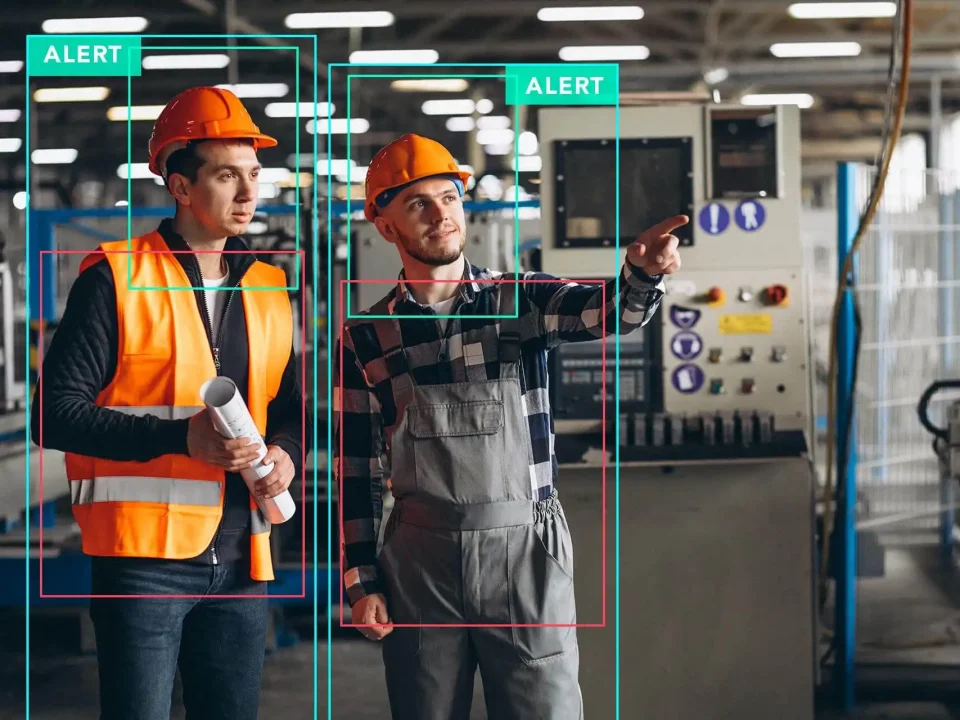
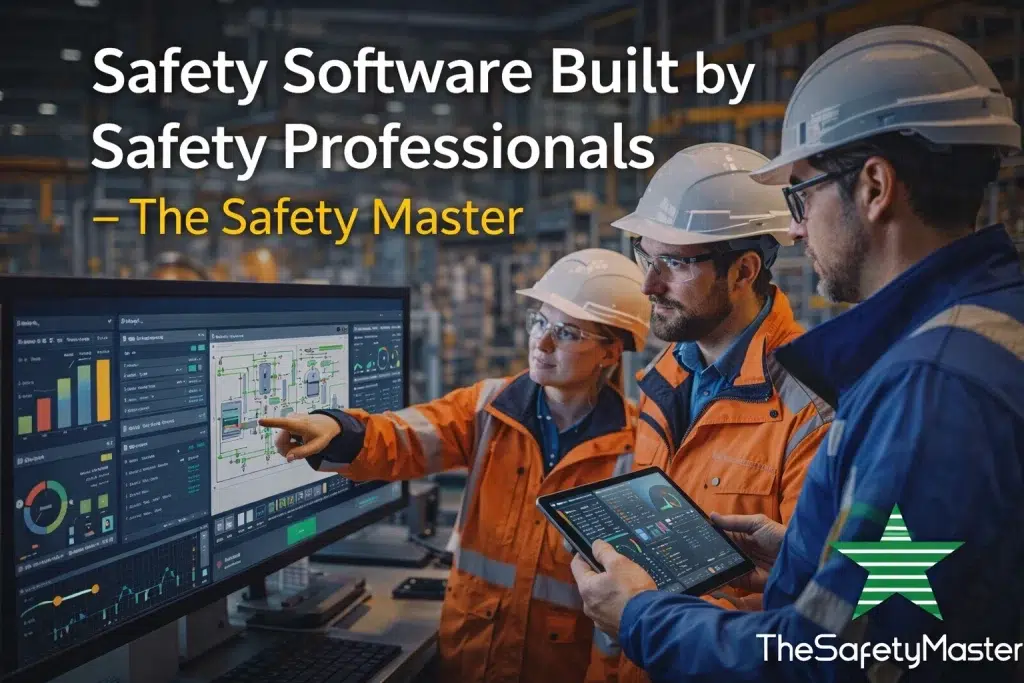
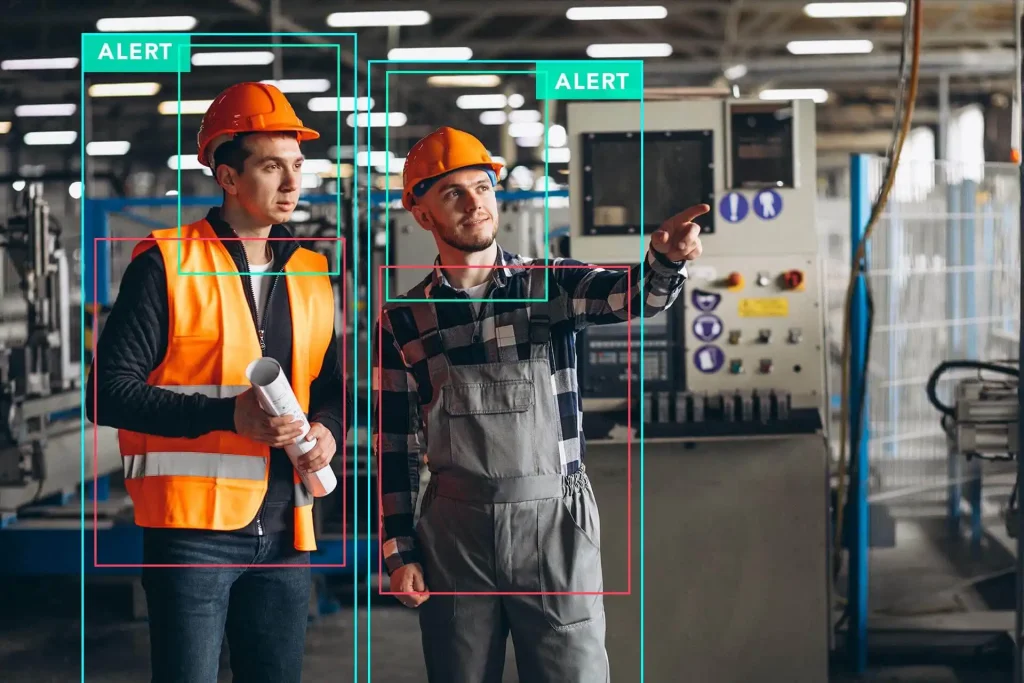
Advancements in monitoring technology also improve risk visibility. Sensors, digital dashboards, and automated alert systems allow organizations to track equipment conditions and environmental factors in real time.
These technologies provide early warning signals when operating parameters exceed safe limits. Combined with human observation and structured analysis, digital monitoring tools strengthen risk detection capabilities.
However, technology must be supported by trained personnel who understand how to interpret data and respond appropriately.
From Risk Visibility to Risk Control
Identifying risk is only the first step. Once hazards become visible, organizations must implement effective control measures. These may include equipment upgrades, improved maintenance practices, revised procedures, or additional training.
Corrective actions should address root causes rather than symptoms. By resolving underlying issues, organizations prevent risks from recurring.
Continuous monitoring ensures that implemented controls remain effective over time.
Conclusion: Seeing Risk Before It Escalates
If you cannot see risk, you cannot control it. Workplace safety begins with awareness—understanding where hazards exist, how they develop, and how they can be prevented.
Structured hazard identification, regular audits, and strong safety culture all contribute to improved risk visibility. When organizations actively search for hidden hazards and respond quickly, they reduce the likelihood of accidents and create safer environments for everyone involved.
Visibility transforms safety from reactive response to proactive prevention, ensuring that risks are managed before they become incidents.