Why Every Event Site Needs a Comprehensive Safety Audit

Enhancing Fire Safety: The Importance of Conducting a Thorough Fire Risk Assessment and The Safety Master as Your Trusted Fire Safety Consultant
June 14, 2023
The Top Causes of Fire in Air Conditioners: What You Need to Know
June 14, 2023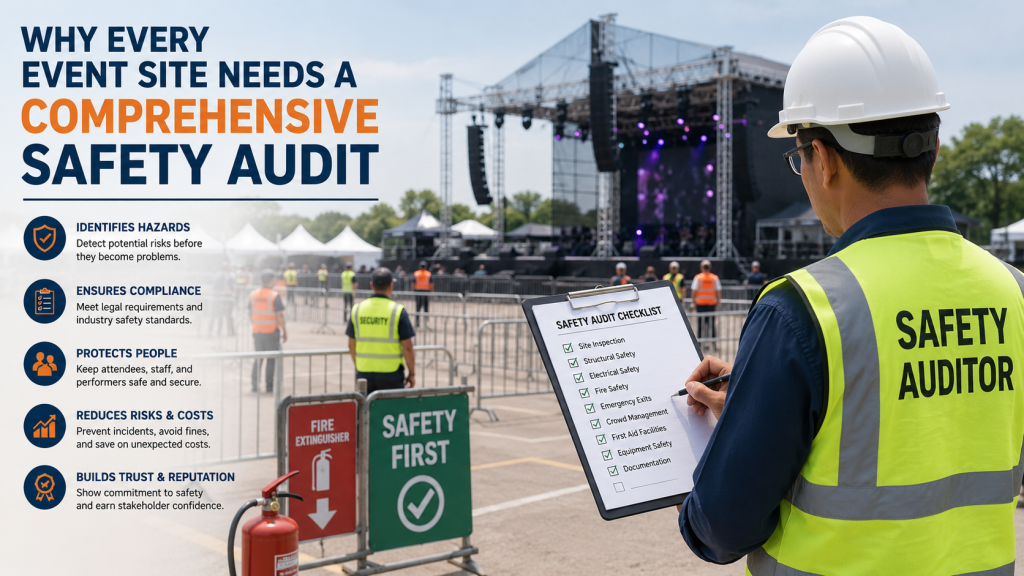
The Safety Master plays an important role in promoting effective safety practices and helping organizations understand the importance of identifying and controlling workplace and event-related hazards. In this article, we will delve into the importance of a comprehensive safety audit for event sites. With safety becoming an increasing concern in today’s society, event organizers cannot afford to overlook proper safety measures. We will discuss the potential hazards and risks of inadequate safety measures and the steps that can be taken to mitigate them. By the end of this article, readers will have a clear understanding of why a safety audit is an absolute necessity for event sites. Ensuring the safety of attendees should never be left to chance, and proper planning can help guarantee a safe and successful event.
Introduction
Events are a time of excitement and celebration. Whether it is a concert, festival, exhibition, sporting event, or trade show, there is always something to look forward to. However, amidst all the excitement, event organizers can sometimes overlook an important aspect—safety.
For every event site, the safety of attendees, employees, contractors, performers, and visitors should be a top priority. Neglecting safety can result in accidents, injuries, property damage, legal complications, and reputational harm. A comprehensive safety audit helps organizers identify weaknesses before an event begins and take corrective action.
Understanding Safety Audits
Safety audits are an essential component of risk management for event sites. They involve a systematic assessment of facilities, equipment, procedures, emergency arrangements, and safety protocols used during an event. The primary purpose is to identify potential hazards that may affect the safety and well-being of everyone present.
The goal of a safety audit is not simply to find problems. It also involves assessing the severity and likelihood of identified risks, developing suitable control measures, and verifying that safety procedures are properly implemented. A thorough audit examines different aspects of health, safety, security, emergency preparedness, and regulatory compliance.
By conducting an audit before an event, organizers can address deficiencies while there is still enough time to make improvements.
Importance of Safety Audits for Event Sites
Safety audits are critical to the success of any event because event environments are dynamic and constantly changing. Large numbers of people, temporary structures, electrical installations, food services, vehicles, special effects, and emergency situations can create multiple risks.
A comprehensive safety audit provides a detailed review of an event site’s safety arrangements. It can include evaluating emergency procedures, identifying potential hazards, reviewing crowd management plans, assessing equipment, and checking compliance with applicable regulations and industry standards.
The information gathered through an audit allows organizers to make informed decisions. It also helps ensure that employees and contractors understand their responsibilities and that emergency resources are available when needed.
Risks of Neglecting Safety Audits
Neglecting safety audits can be a costly and potentially dangerous mistake. Without appropriate safety measures, event attendees and employees may be exposed to preventable risks. An incident can lead to injuries, property damage, financial losses, legal liabilities, and negative publicity.
Organizers may overlook hazards such as unstable structures, blocked exits, electrical problems, overcrowding, inadequate lighting, poor sanitation, or insufficient emergency response arrangements. In an emergency, these weaknesses can make evacuation and response much more difficult.
A lack of documented safety procedures can also create challenges when demonstrating that reasonable precautions were taken. Therefore, conducting and documenting a safety audit is an important part of responsible event planning.
Elements of a Comprehensive Safety Audit
A comprehensive safety audit should examine all potential hazards associated with an event. This includes physical risks such as structural integrity, fire hazards, electrical systems, crowd movement, temporary installations, and accessibility.
Security risks should also be considered. Depending on the nature and location of an event, these may include unauthorized access, theft, criminal activity, suspicious packages, or other security threats.
The audit should be customized according to the event. An outdoor music festival may have concerns involving weather, temporary stages, large crowds, and outdoor electrical systems, while an indoor corporate conference may have different risks related to evacuation, fire safety, and building capacity.
Key Areas for Safety Audit Focus
1. Crowd Management
Crowd management is one of the most important areas of event safety. Organizers should assess venue capacity, expected attendance, entry and exit points, crowd movement, emergency routes, barriers, and evacuation procedures. Proper planning can help prevent overcrowding, falls, panic, and crowd-related injuries.
2. Electrical Systems
Events often require extensive electrical installations for lighting, sound systems, displays, catering equipment, and other temporary facilities. Electrical hazards can pose serious risks to attendees and staff. All installations should be inspected and maintained properly, with suitable protection against electrical faults, exposed wiring, overloading, and accidental contact.
3. Fire Safety
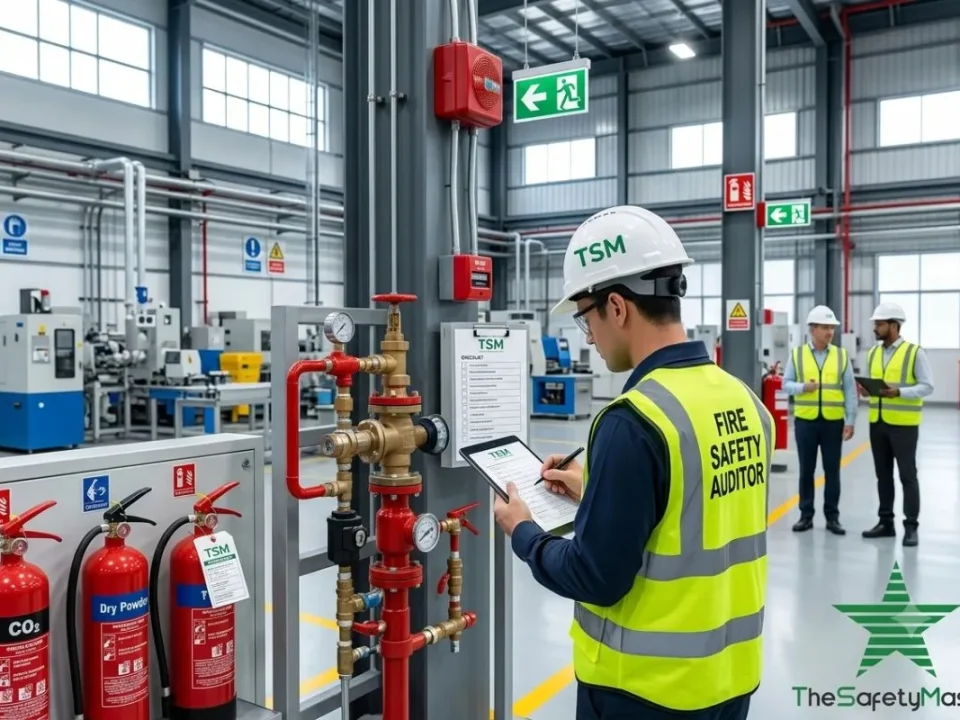
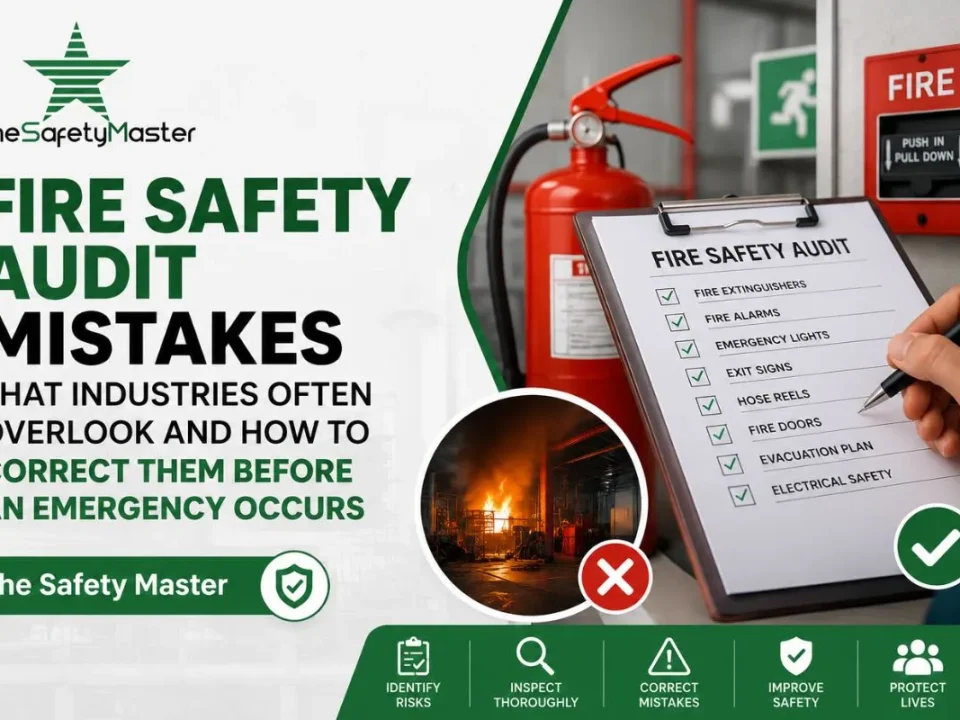
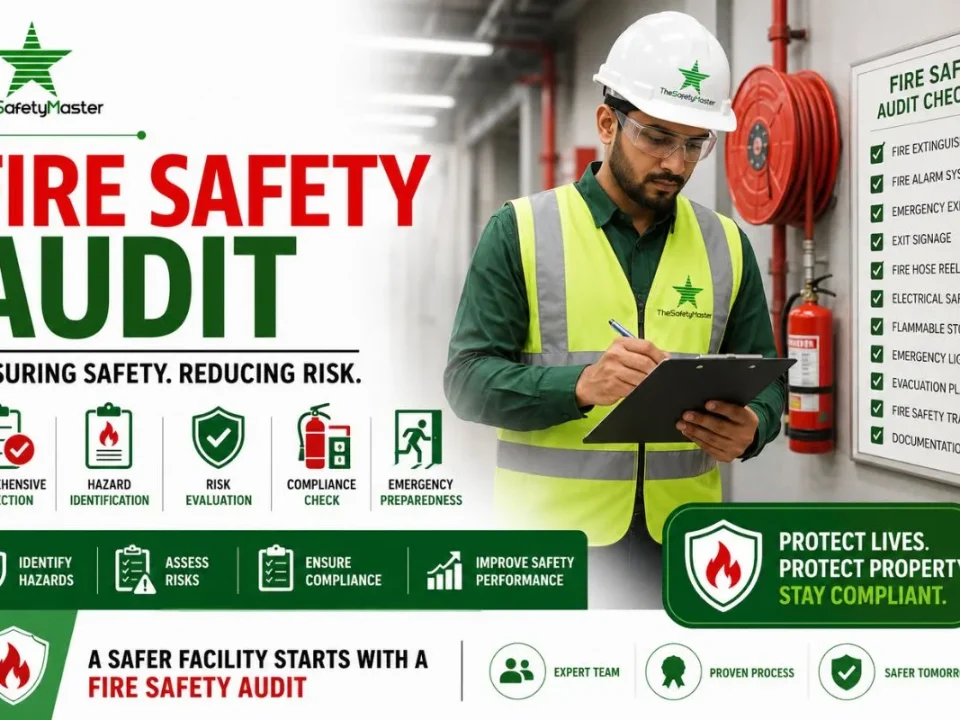
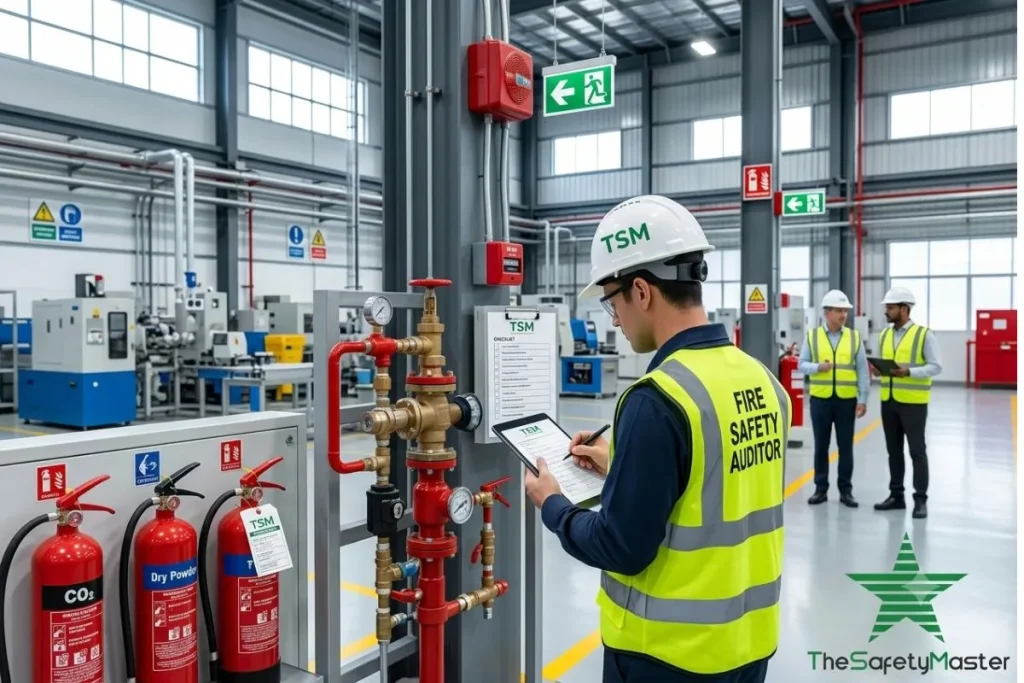
Fire is a major concern at crowded event sites, particularly where temporary structures, cooking equipment, electrical systems, or combustible materials are present. A fire safety audit should assess alarms, extinguishers, emergency exits, evacuation routes, fire-fighting equipment, signage, and accessibility.
4. Security Measures
Large gatherings can attract security threats and criminal activity. Organizers should evaluate access control, security personnel, surveillance arrangements, emergency communication systems, and procedures for responding to suspicious activity. Security planning should be proportionate to the nature and scale of the event.
5. Sanitation and Hygiene
Large numbers of people in a limited area increase the importance of sanitation. Restrooms, drinking water facilities, waste disposal, food preparation areas, and food service stations should be inspected regularly. Proper hygiene arrangements can reduce the risk of illness and create a healthier environment for attendees.
Collaborating with Safety Professionals
When it comes to safety, there is little room for error. Event organizers can benefit significantly from working with qualified safety professionals when conducting safety audits. Experienced professionals can identify hazards that may otherwise be overlooked and recommend practical control measures.
An independent evaluation can provide a fresh perspective on the event site’s safety arrangements. Safety professionals can also help review emergency plans, inspect high-risk areas, recommend corrective actions, and support organizers in improving overall safety performance.
Building Trust with Clients and Attendees
A comprehensive safety audit is not only about meeting rules and regulations; it is also about building confidence among clients, employees, and attendees. When organizers demonstrate that safety has been carefully considered, they create a more secure and professional event environment.
However, safety planning should go beyond the audit itself. Attendees should receive clear information about emergency procedures, evacuation routes, restricted areas, and relevant safety instructions. Staff and security personnel should also receive appropriate training so they know how to respond to potential emergencies.
Strong communication and preparedness can significantly improve confidence and help create a safer experience for everyone.
Conclusion
Safety is paramount for every event site. A comprehensive safety audit is more than a compliance exercise; it is an essential part of responsible event planning and a commitment to protecting everyone involved. Neglecting safety audits can result in injuries, property damage, financial losses, legal complications, and reputational damage.
By focusing on crowd management, electrical systems, fire safety, security, sanitation, emergency preparedness, and other critical areas, organizers can identify risks and take preventive action. Collaborating with qualified safety professionals can further strengthen safety arrangements and help ensure that an event is prepared for unexpected situations.
TSM TheSafetyMaster Private Limited
TSM TheSafetyMaster Private Limited provides professional safety-related services designed to support organizations in improving safety standards and managing workplace and site-related risks.
Services include:
- Workplace Safety
- Construction Safety
- Electric Safety
- Fire Safety
- Building Safety
- Safety Performance
TSM TheSafetyMaster® Private Limited
Unit No. 221-451-452, SPL1/J, 2nd & 4th Floor, Sunsquare Plaza Complex, RIICO Chowk, Bhiwadi 301019, Rajasthan, India
Phone: +91 1493 22 0093
Mobile: +91 7665231743 / 9413882016
Email: info@thesafetymaster.com