Raising the Standard of Industrial Safety

Engineered Safety for High-Risk Industries
April 3, 2026
Is Your Plant Truly Safe — Or Just Compliant?
April 7, 2026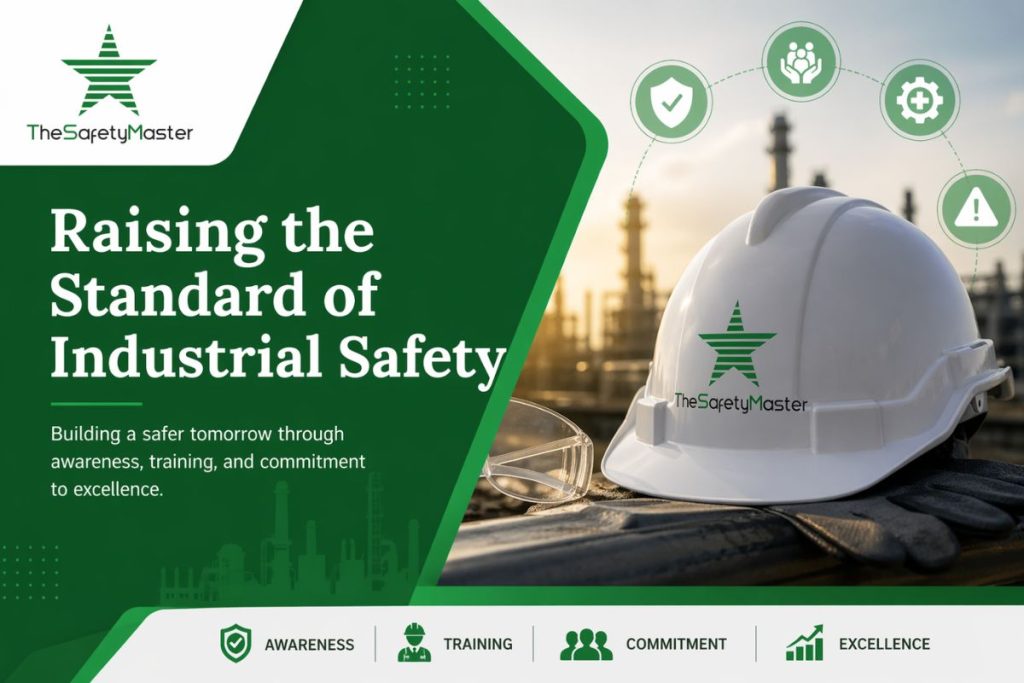
Industrial safety is no longer just about meeting minimum compliance requirements. With increasing complexity in operations, evolving technologies, and stricter regulations, industries are expected to operate at a much higher standard of safety than ever before. Raising the standard of industrial safety means moving beyond reactive measures and building systems that prevent risks, protect people, and ensure long-term operational stability.
Why Industrial Safety Standards Need to Evolve
Traditional safety approaches often focused on responding to incidents after they occurred. While this helped reduce immediate damage, it did little to address the root causes of risks. In today’s industrial landscape, this approach is no longer sufficient.
Modern industries deal with high-risk processes, hazardous materials, and interconnected systems. A single failure can trigger a chain reaction, leading to major accidents, production losses, and environmental impact. Raising safety standards means shifting from reaction to prevention, ensuring that risks are identified and controlled before they turn into incidents.
Moving from Compliance to Proactive Safety
Compliance remains a critical part of industrial safety, but it should not be the end goal. Regulations define the minimum requirements, not the ideal state of safety. Organizations that focus only on compliance often overlook hidden risks that are not explicitly covered by regulations.
A proactive safety approach involves continuous monitoring, risk assessment, and improvement. It requires organizations to ask deeper questions: Where are the vulnerabilities? What could go wrong? How can we prevent it?
This shift in mindset helps industries stay ahead of risks rather than constantly reacting to them.
Role of Structured Safety Audits
One of the most effective ways to raise safety standards is through structured audits. A comprehensive Safety Audit Service evaluates not only compliance but also the effectiveness of existing safety systems.
Audits identify gaps in processes, equipment, and practices. They provide a clear understanding of risk levels and offer actionable recommendations for improvement. More importantly, they create accountability by ensuring that identified issues are addressed within defined timelines.
Regular audits also help organizations track progress and maintain consistency in safety practices across different operations.
Strengthening Fire Safety Systems
Fire remains one of the most critical risks in industrial environments. The combination of heat, fuel, and oxygen is often present in production units, making fire incidents a constant threat.
A detailed Fire Safety Audit helps identify vulnerabilities in fire detection, suppression, and emergency response systems. It evaluates factors such as fire load, storage practices, electrical safety, and evacuation planning.
Improving fire safety systems not only reduces the risk of incidents but also ensures faster response and minimal damage in case of emergencies.
Integrating Technology into Safety Management
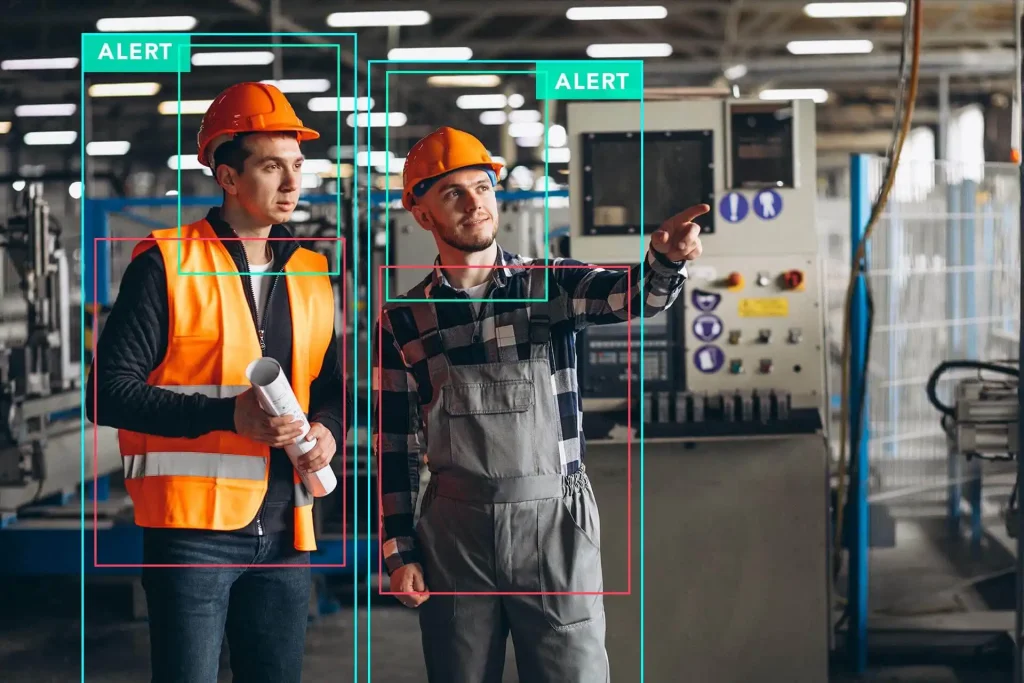
Technology has become a key driver in raising industrial safety standards. Advanced monitoring systems, sensors, and automation tools allow organizations to detect risks in real time.
For example, gas detection systems can identify leaks before they reach dangerous levels, while predictive maintenance tools can highlight equipment failures before they occur. Data analytics helps in identifying patterns and trends, enabling better decision-making.
By integrating technology into safety management, industries can move from manual, reactive processes to automated, proactive systems.
Addressing Human Factors in Safety
Even the most advanced systems cannot eliminate risk if human behavior is not aligned with safety practices. Employees play a crucial role in maintaining a safe work environment.
Unsafe actions, lack of awareness, and negligence can lead to incidents despite having strong safety systems in place. This is why training and awareness programs are essential.
Programs such as Behavior-Based Safety Training focus on identifying unsafe behaviors and encouraging safer practices. They help build a culture where safety becomes a shared responsibility rather than just a regulatory requirement.
Importance of Standardization Across Operations
Large industrial organizations often operate across multiple locations. Maintaining consistent safety standards across all sites can be challenging but is essential for overall risk management.
Standardization involves implementing uniform safety procedures, documentation practices, and training programs across all operations. This ensures that every facility operates at the same level of safety, regardless of its location.
It also simplifies audits, improves communication, and reduces the chances of oversight.
Continuous Improvement and Learning
Raising safety standards is not a one-time effort. It requires continuous improvement based on feedback, audits, and incident analysis.
Every near-miss or minor incident provides valuable insights into potential risks. By analyzing these events, organizations can identify gaps and implement corrective measures before a major incident occurs.
Continuous learning also involves staying updated with new technologies, regulatory changes, and industry best practices. This ensures that safety systems remain relevant and effective.
Building a Strong Safety Culture
At the core of high safety standards is a strong safety culture. This goes beyond policies and procedures and reflects how safety is perceived and practiced within the organization.
A strong safety culture encourages open communication, where employees feel comfortable reporting hazards and suggesting improvements. It promotes accountability at all levels, from management to frontline workers.
When safety becomes a shared value, it is more likely to be integrated into daily operations, leading to sustainable improvements.
Conclusion
Raising the standard of industrial safety requires a comprehensive and proactive approach. It involves combining structured audits, advanced technology, effective training, and continuous improvement.
Organizations that move beyond basic compliance and focus on building resilient safety systems are better equipped to handle risks and maintain operational stability. In a high-risk industrial environment, higher safety standards are not just beneficial—they are essential for long-term success and sustainability.