Road Safety Audit
A Road Safety Audit is a systematic examination of a road, highway, intersection, or transportation project to identify potential safety risks before they result in accidents or serious injuries. It helps project owners, developers, road authorities, and organizations understand road-related hazards and implement practical safety improvements.
The Safety Master provides professional safety audit and risk assessment solutions designed to help organizations identify hazards, improve road-user safety, and support safer transportation infrastructure.
What Is a Road Safety Audit?
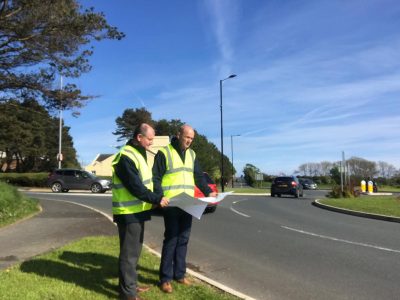
A Road Safety Audit is a formal and independent assessment of the safety performance of a road or transportation project. It focuses on identifying potential risks for all road users, including:
- Drivers
- Pedestrians
- Cyclists
- Motorcyclists
- Public transport users
- Road workers
- Emergency response vehicles
The audit examines the road environment, traffic conditions, design features, visibility, signs, markings, intersections, pedestrian facilities, and other factors that may contribute to accidents.
Why Is Road Safety Audit Important?
Road accidents can occur because of a combination of road design, human behavior, vehicle movement, environmental conditions, and inadequate safety measures.
A properly conducted Road Safety Audit can help:
- Identify potential accident locations
- Detect unsafe road design features
- Improve visibility and sight distance
- Review traffic signs and road markings
- Identify pedestrian and cyclist safety risks
- Improve intersection safety
- Reduce road-user conflicts
- Recommend practical corrective measures
- Support safer road infrastructure development
Objectives of Road Safety Audit
The main objective is to identify safety problems and recommend improvements before they become major issues.
Key Objectives
Identify Road Safety Hazards
The audit team examines the road and surrounding environment to identify conditions that may create a risk for road users.
Reduce Accident Risk
Early identification of hazards allows organizations to implement corrective actions that can reduce the likelihood and severity of accidents.
Improve Road Design
The audit evaluates whether road geometry, intersections, access points, drainage, lighting, signs, and other features support safe movement.
Protect Vulnerable Road Users
Special attention is given to pedestrians, cyclists, children, elderly people, and people with disabilities.
Improve Overall Road Performance
Safety improvements can also contribute to better traffic flow, accessibility, visibility, and operational performance.
When Is a Road Safety Audit Conducted?
A Road Safety Audit can be performed at different stages of a road project.
Planning and Feasibility Stage
Safety considerations can be incorporated before detailed design begins. This helps identify potential problems with route selection, intersections, access arrangements, and traffic movement.
Preliminary Design Stage
At this stage, auditors review the proposed road layout, alignment, junctions, pedestrian facilities, traffic arrangements, and other design elements.
Detailed Design Stage
A detailed review helps identify specific safety concerns related to road geometry, signs, markings, lighting, drainage, barriers, pedestrian crossings, and roadside features.
Construction Stage
The audit can identify temporary traffic management and construction-related hazards affecting road users and workers.
Pre-Opening Stage
Before a new or upgraded road is opened to traffic, a safety audit can verify whether important safety issues have been addressed.
Existing Road Stage
Existing roads can also be audited to identify accident-prone locations, unsafe conditions, operational problems, and opportunities for improvement.
Road Safety Audit Process
A systematic process helps ensure that important safety risks are not overlooked.
1. Audit Preparation
The audit team collects available information about the road or project, including drawings, traffic information, accident data, design details, and previous safety observations.
2. Document Review
Available engineering and traffic documents are reviewed to understand the road layout, traffic conditions, design standards, and expected road-user behavior.
3. Site Inspection
The audit team conducts a physical inspection of the road. Depending on the project, inspections may be conducted during both daytime and nighttime conditions.
4. Hazard Identification
Potential hazards are identified based on road geometry, traffic movement, visibility, signs, markings, pedestrian movement, roadside conditions, and other factors.
5. Risk Assessment
Identified safety issues are assessed according to their potential impact and likelihood. This helps prioritize the most important safety concerns.
6. Recommendations
Practical recommendations are developed to address identified risks. Recommendations may involve engineering controls, traffic management measures, signage, markings, lighting, or other improvements.
7. Audit Report
The findings are documented in a structured Road Safety Audit report. The report provides clear observations and recommended corrective actions.
8. Follow-Up Review
Where applicable, the implementation of recommendations can be reviewed to determine whether identified safety issues have been adequately addressed.
What Does a Road Safety Audit Cover?
A comprehensive audit may examine several road and traffic safety elements.
Road Geometry
The audit may review:
- Horizontal alignment
- Vertical alignment
- Road width
- Curves
- Gradients
- Sight distance
- Lane configuration
- Road shoulders
Intersections and Junctions
Intersections are important areas for safety assessment. The review may consider:
- Junction visibility
- Turning movements
- Traffic conflicts
- Channelization
- Signal arrangements
- Roundabouts
- Access points
Road Signs and Markings
Auditors check whether signs and markings are:
- Clearly visible
- Correctly positioned
- Consistent
- Understandable
- Maintained properly
Pedestrian Safety
Pedestrian facilities may include:
- Footpaths
- Pedestrian crossings
- Refuge islands
- Guardrails
- Accessibility features
- Pedestrian signals
- Safe road crossing arrangements
Street Lighting
Lighting conditions are assessed to identify areas where poor visibility may increase safety risks, particularly at intersections, crossings, curves, and other critical locations.
Roadside Hazards
The audit may identify hazards such as:
- Fixed objects close to the carriageway
- Unsafe barriers
- Unprotected obstacles
- Poorly positioned utility structures
- Unsafe drainage features
- Inadequate clear zones
Benefits of Road Safety Audit
Improved Road User Safety
The primary benefit is identifying and controlling hazards that could contribute to accidents.
Early Risk Identification
Finding safety issues during planning or design can be more effective and economical than correcting them after construction.
Better Infrastructure
Audit recommendations can improve road layouts, intersections, signs, markings, lighting, and pedestrian facilities.
Reduced Accident Potential
Addressing identified hazards can help reduce the probability and severity of crashes.
Better Decision-Making
A documented audit provides project owners and decision-makers with an independent safety perspective.
Improved Safety Culture
Regular safety assessments encourage organizations to consider safety throughout the entire lifecycle of a transportation project.
Why Choose The Safety Master for Road Safety Audit?
The Safety Master focuses on practical safety solutions that help organizations identify hazards and strengthen their safety management systems.
Our approach can include:
- Systematic road safety assessment
- Hazard identification
- Risk evaluation
- Site observations
- Safety recommendations
- Corrective action guidance
- Professional audit reporting
The objective is not simply to identify problems but to provide practical recommendations that can help organizations improve road safety performance.
Who Needs a Road Safety Audit?
Road Safety Audits can be valuable for:
- Highway projects
- Infrastructure developers
- Government road agencies
- Industrial facilities
- Manufacturing plants
- Logistics parks
- Commercial developments
- Residential developments
- Airports and transportation facilities
- Large construction projects
- Organizations managing internal roads
Road Safety Audit Checklist
A typical checklist may include the following areas:
| Audit Area | Key Points |
|---|---|
| Road Geometry | Alignment, curves, gradients and sight distance |
| Intersections | Junction layout, visibility and conflicts |
| Signs | Visibility, location and suitability |
| Road Markings | Lane markings, crossings and delineation |
| Lighting | Visibility during nighttime |
| Pedestrians | Footpaths, crossings and accessibility |
| Traffic Flow | Vehicle movement and conflict points |
| Roadside | Obstacles, barriers and clear zones |
| Drainage | Safe drainage and water accumulation |
| Traffic Management | Safe movement and control arrangements |
| Construction Areas | Temporary hazards and traffic controls |
| Emergency Access | Accessibility for emergency response |
Common Road Safety Risks
Some commonly observed road safety risks include:
- Poor sight distance
- Inadequate lighting
- Missing or damaged road signs
- Faded road markings
- Unsafe intersections
- Inadequate pedestrian crossings
- Poorly designed access points
- Roadside obstacles
- Inadequate traffic control
- Unsafe construction-zone arrangements
- Poor drainage
- Confusing lane arrangements
Road Safety Audit Report
A professional audit report should clearly communicate the identified safety concerns and recommended actions.
A typical report may contain:
- Project information
- Audit scope
- Site inspection details
- Existing conditions
- Identified safety concerns
- Risk assessment
- Photographic evidence, where applicable
- Recommended corrective measures
- Priority of recommendations
- Conclusion
A clear report helps project owners and responsible teams understand what the problem is, why it matters, and what action should be considered.
Conclusion
A Road Safety Audit is an important tool for identifying potential road hazards and improving the safety of transportation infrastructure. Conducting an audit at the planning, design, construction, pre-opening, or existing-road stage can help organizations identify risks before they lead to serious incidents.
With a systematic approach to hazard identification, risk assessment, and corrective recommendations, The Safety Master helps organizations work toward safer roads, better infrastructure, and improved road-user protection.