Let’s Fix Safety Before It Fails You

Ready for the Next Audit? Or the Next Incident?
April 10, 2026
One Partner. Zero Excuses. Total Safety Ownership
April 21, 2026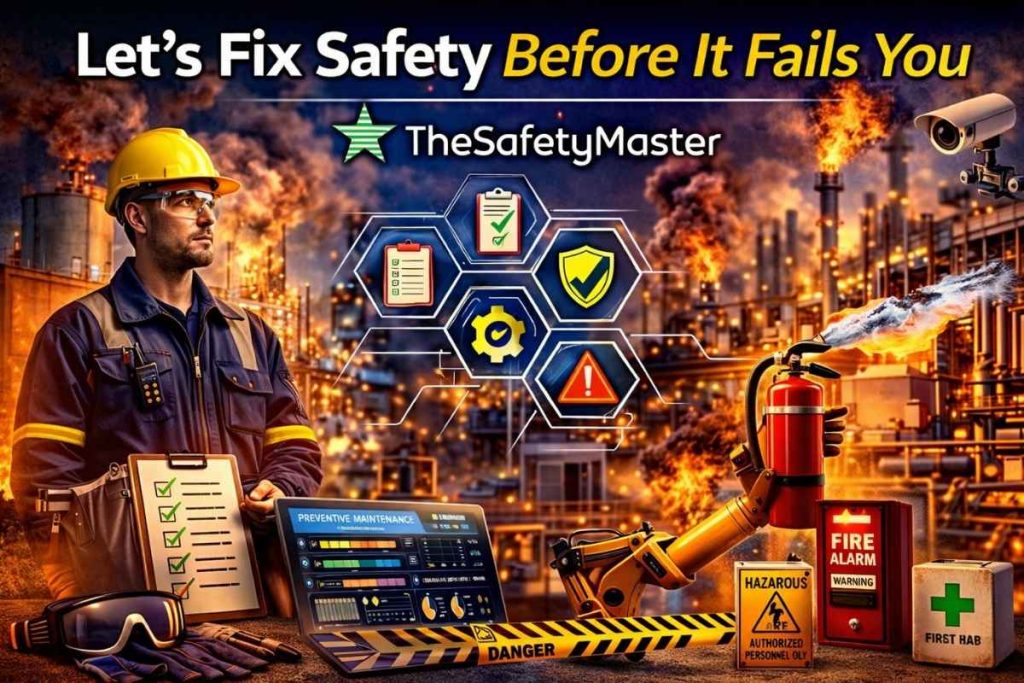
Safety failures rarely happen without warning. In most industrial environments, incidents are preceded by small, often ignored signals—minor faults, unsafe behaviors, delayed maintenance, or gaps in procedures. The problem is not the absence of safety systems, but the failure to identify and fix weaknesses before they escalate. Fixing safety before it fails is not just a strategy; it is a necessity for preventing accidents, protecting people, and maintaining operational continuity.
What Does “Fix Safety Before It Fails” Mean?
It means shifting from a reactive approach to a preventive one. Instead of waiting for incidents to occur and then responding, organizations identify risks early and take corrective action before those risks turn into failures.
This approach focuses on:
- Detecting early warning signs
- Addressing root causes, not just symptoms
- Strengthening systems before breakdowns occur
- Creating a culture of accountability and awareness
Industries that adopt this mindset reduce not only accidents but also downtime, financial losses, and regulatory issues.
Why Safety Failures Still Happen
Even with policies and equipment in place, failures occur because of overlooked gaps. Common reasons include:
- Complacency: Routine operations create a false sense of security
- Delayed maintenance: Small issues are ignored until they become critical
- Lack of visibility: Risks are not properly identified or documented
- Human error: Unsafe practices become normalized over time
These issues are rarely sudden. They build up gradually, making early intervention both possible and necessary.
Early Warning Signs You Should Never Ignore
Before any major safety failure, there are indicators that something is wrong. Recognizing these signs can prevent serious incidents:
- Frequent equipment malfunctions
- Minor fire or electrical incidents
- Near-miss events not being reported
- Blocked emergency exits or poor housekeeping
- Safety equipment not being regularly tested
Ignoring these signs increases the probability of a larger failure. Addressing them early reduces risk significantly.
The Role of Structured Safety Evaluations
One of the most effective ways to fix safety issues early is through structured evaluations. A detailed Safety Audit Service helps identify hidden risks, assess system effectiveness, and highlight areas that require immediate attention.
Unlike routine inspections, audits provide a deeper analysis of:
- Operational practices
- Equipment condition
- Compliance status
- Emergency preparedness
They also create accountability by documenting findings and recommending corrective actions with clear timelines.
Fire Risks: The Most Ignored Threat
Fire hazards are among the most underestimated risks in industrial and commercial settings. Many organizations assume that having extinguishers and alarms is enough. In reality, ineffective systems, poor maintenance, and unsafe storage practices can lead to rapid fire escalation.
A comprehensive Fire Safety Audit evaluates fire load, ignition sources, detection systems, and emergency response plans. It ensures that fire safety is not just present but actually functional and reliable.
Fixing fire safety gaps early can prevent incidents that cause severe damage, operational shutdowns, and loss of life.
Fixing Human Behavior Before It Becomes a Risk
Safety is not only about systems; it is equally about people. Many incidents occur because unsafe behaviors go unnoticed or uncorrected.
For example:
- Skipping safety procedures to save time
- Improper handling of equipment
- Ignoring personal protective equipment
These behaviors often become habits, increasing the likelihood of accidents. Programs like Behavior-Based Safety Training focus on identifying and correcting such behaviors before they lead to incidents.
By addressing human factors early, organizations can significantly reduce risk exposure.
Preventive Maintenance: Fixing Problems Before Breakdown
Equipment failure is one of the most common triggers of safety incidents. Machines that are not maintained properly can overheat, malfunction, or cause electrical faults.
Preventive maintenance ensures that:
- Equipment operates within safe limits
- Faults are identified before failure
- Downtime is minimized
- Safety risks are reduced
Waiting for equipment to fail is not just inefficient—it is dangerous. Regular inspections and timely repairs are essential for maintaining both safety and productivity.
Compliance Is Not Enough
Many organizations believe that meeting regulatory requirements is sufficient. The reality is that compliance only sets the minimum standard. It does not guarantee safety.
Fixing safety before failure means going beyond compliance:
- Identifying risks that regulations may not cover
- Adopting best practices from global standards
- Continuously improving safety systems
This proactive approach ensures that safety measures remain effective even as operations evolve.
Building a Culture of Proactive Safety
Sustainable safety improvements come from culture, not just systems. A proactive safety culture encourages:
- Reporting of hazards and near misses
- Open communication about risks
- Accountability at all levels
- Continuous learning and improvement
When employees feel responsible for safety, they are more likely to identify and fix issues early.
Technology as a Preventive Tool
Modern technology plays a significant role in early risk detection. Sensors, monitoring systems, and data analytics provide real-time insights into operations.
For example:
- Temperature sensors can detect overheating equipment
- Gas detectors can identify leaks early
- Monitoring systems can track system performance
These tools help organizations move from reactive responses to predictive safety management.
The Cost of Ignoring Safety Gaps
Failing to fix safety issues early can lead to serious consequences:
- Workplace injuries and fatalities
- Production downtime
- Financial losses
- Legal penalties
- Damage to reputation
In many cases, these outcomes are preventable. The cost of prevention is always lower than the cost of failure.
Key Takeaways
- Safety failures are often predictable and preventable
- Early identification of risks is critical
- Structured audits provide clarity and direction
- Human behavior must be addressed alongside systems
- Preventive maintenance reduces both risk and downtime
- Compliance is the starting point, not the goal
Conclusion
Fixing safety before it fails requires a shift in mindset, from reacting to incidents to preventing them. It involves continuous monitoring, structured evaluations, and a strong focus on both systems and human behavior.
Organizations that adopt this approach not only reduce risks but also improve efficiency, reliability, and long-term sustainability. In high-risk environments, waiting for failure is not an option. The real advantage lies in identifying and fixing problems before they have a chance to escalate.