Because Safety Needs Ownership, Not Visits

Safety Governance That Works Even When Consultants Leave
February 17, 2026
Engineering Out Risk Before Incidents Happen
February 18, 2026
Safety Is Not an Event. It Is a Daily Responsibility.
Many organizations still treat safety as something that happens during inspections. A team visits, checklists are reviewed, observations are recorded, and once the visit ends, attention slowly fades. This approach creates a dangerous gap between documented compliance and real operational safety. True protection does not come from occasional reviews. It comes from consistent ownership at every level of the organization.
Ownership means that safety is integrated into daily decisions. Supervisors check equipment conditions before starting work. Workers report near misses without hesitation. Maintenance teams track small defects before they escalate into major incidents. Leadership reviews safety metrics with the same seriousness as production numbers. When safety becomes a shared responsibility, it stops being dependent on external reminders.
The Limits of Periodic Safety Visits
Safety visits and inspections are important. They provide external perspectives, identify blind spots, and highlight systemic weaknesses. However, relying only on periodic audits creates a reactive culture. Problems are often corrected just before inspections and then gradually return to old patterns.
A checklist cannot observe every behavior shift or minor deviation in real time. Many incidents begin with small, overlooked changes in routine. An overloaded extension cable, a blocked exit route, or a minor leak may appear insignificant. Over time, these small issues accumulate into serious risks. Ownership addresses these concerns early, before they escalate.
Organizations that depend only on inspections often struggle with recurring findings. The same issues appear repeatedly because the root cause is not a lack of knowledge, but a lack of daily accountability.
What Safety Ownership Actually Means
Safety ownership is not about assigning blame. It is about creating clarity in responsibility. Each person understands their role in preventing harm. Managers ensure procedures are practical and updated. Engineers design systems with risk control in mind. Operators follow protocols and speak up when something seems wrong.
Ownership also requires visibility. Safety data must be accessible and transparent. Near-miss reporting systems should encourage participation rather than fear. When employees trust that reporting hazards leads to improvement instead of punishment, engagement increases.
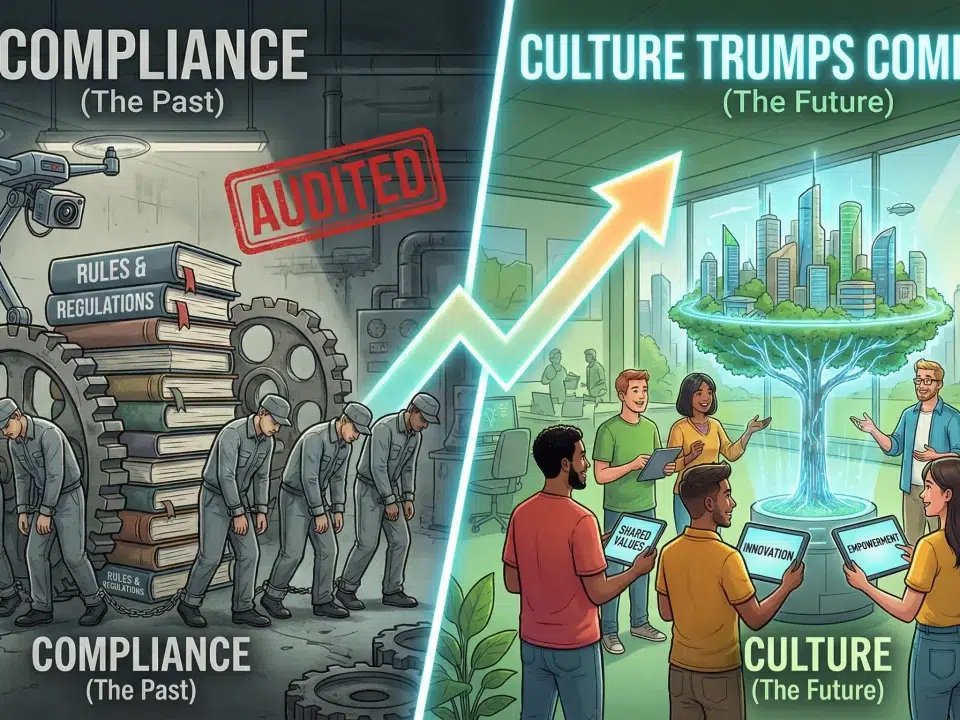
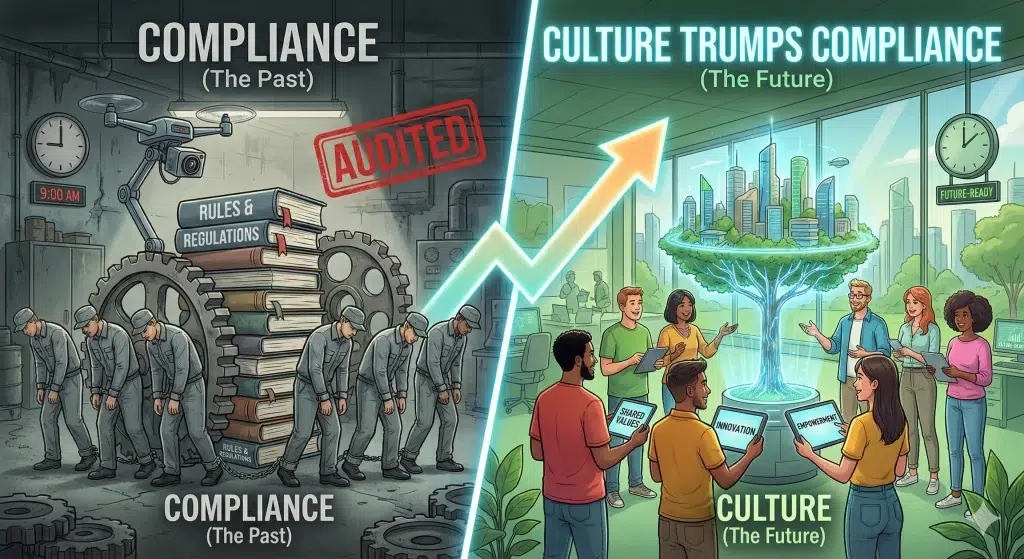
This mindset transforms safety from compliance-driven behavior to value-driven behavior. It becomes part of operational excellence rather than a separate administrative function.
Leadership Sets the Tone
Without leadership commitment, safety ownership cannot survive. When management treats safety as secondary to output, employees quickly recognize the real priority. On the other hand, when leaders pause operations to correct unsafe conditions, conduct meaningful safety discussions, and allocate budgets for preventive improvements, the message becomes clear.
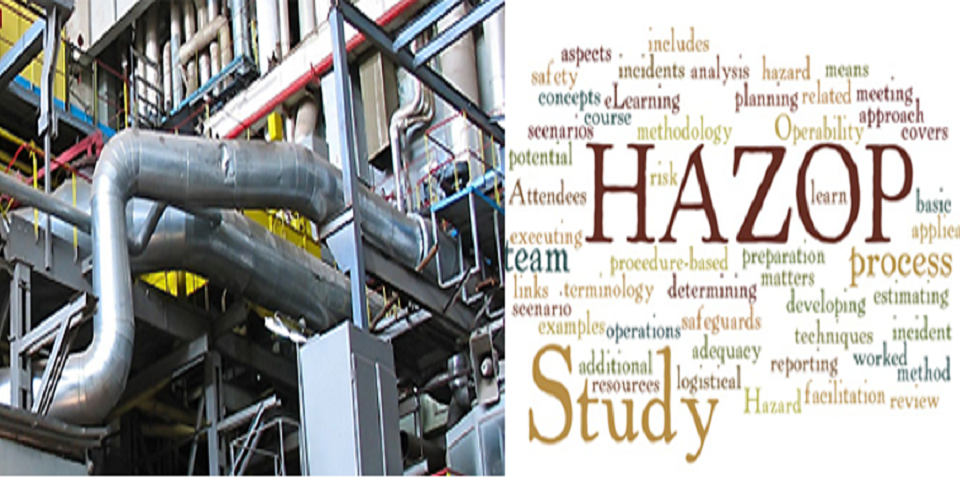
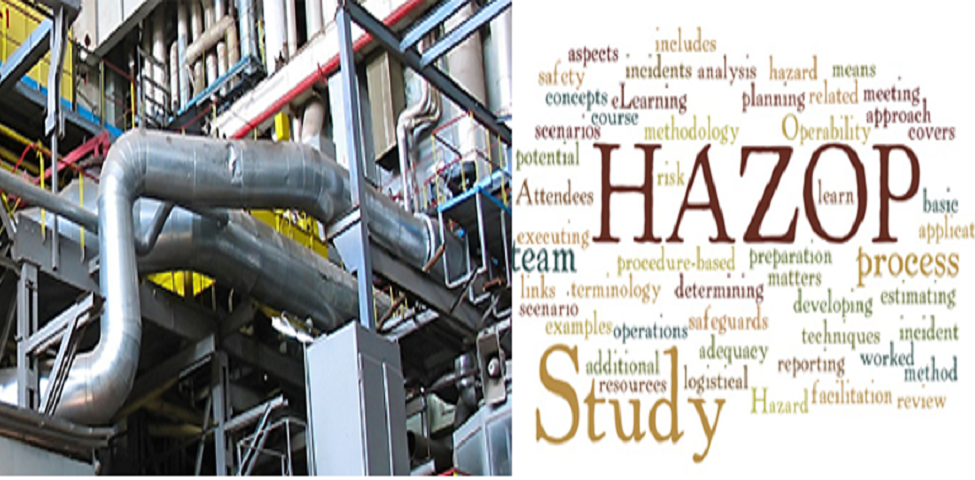
Leadership ownership also includes investing in structured analysis rather than assumptions. Proactive risk evaluation tools such as Hazop Study help organizations identify deviations in process parameters before they result in fires, explosions, or toxic releases. This analytical approach demonstrates responsibility beyond surface-level compliance.
From Inspection Culture to System Culture
Inspection culture focuses on spotting mistakes. System culture focuses on preventing them. The difference lies in whether safety is treated as a checklist or as an integrated management framework.
A structured Safety Audit can reveal procedural gaps, but ownership ensures those gaps are closed permanently. Instead of temporary corrections, organizations analyze why the gap occurred. Was training insufficient? Was supervision inconsistent? Were procedures unrealistic for actual working conditions?
When corrective actions address root causes, safety performance improves sustainably.
Fire Safety: A Clear Example of Ownership Gaps
Fire incidents often reveal whether safety is truly owned or merely documented. Fire extinguishers may exist on walls, but are they accessible? Are employees confident in using them? Are electrical systems routinely inspected for overheating?
A detailed Fire Audit can identify vulnerabilities in detection systems, evacuation routes, and suppression readiness. However, ownership ensures daily housekeeping practices, proper storage of flammable materials, and disciplined maintenance continue long after the audit report is filed.
Fire prevention requires routine vigilance. Small lapses, such as blocked hydrant access or expired extinguishers, can have severe consequences.
Integrating Process Discipline
Industrial safety goes beyond visible hazards. Many major incidents arise from process deviations rather than obvious unsafe acts. Pressure changes, temperature variations, or control system failures can escalate rapidly if not identified early.
A comprehensive framework such as Process Safety Management promotes structured hazard identification, management of change, and continuous monitoring. Yet even the strongest framework depends on ownership. Procedures must be followed consistently, not only during review cycles.
Operators who understand the reasoning behind safety controls are more likely to respect them. Education strengthens accountability.
Encouraging Accountability Without Fear
Ownership does not thrive in environments driven by punishment. If employees fear disciplinary action for reporting mistakes, they will hide information. Hidden information creates hidden risks.
A mature safety culture distinguishes between deliberate negligence and honest reporting. Encouraging transparent communication builds trust. When near misses are analyzed constructively, organizations learn without waiting for accidents.
Clear reporting channels, regular feedback sessions, and visible corrective action tracking reinforce accountability in a balanced manner.
Measuring What Matters
Many organizations track lagging indicators such as injury frequency rates. While important, these numbers reflect past events. Ownership requires attention to leading indicators. These include near-miss reports, preventive maintenance completion rates, safety training participation, and timely closure of corrective actions.
When leading indicators improve, risks reduce proactively. Data becomes a tool for improvement rather than a summary of failures.
Building Long-Term Resilience
Safety ownership strengthens resilience. When unexpected events occur, prepared teams respond faster and more effectively. Employees familiar with emergency protocols react calmly. Equipment maintained regularly performs reliably. Communication flows clearly during crises.
Resilience is not built during emergencies. It is built during ordinary days when procedures are followed, hazards are reported, and small improvements are implemented.
Moving Beyond Symbolic Compliance
Compliance is necessary, but symbolic compliance is risky. Hanging posters and conducting annual drills without daily engagement creates a false sense of security. Ownership challenges this illusion.
Organizations that embed safety into performance reviews, procurement decisions, and operational planning demonstrate maturity. When vendors are evaluated for safety standards and new projects include risk assessments at the design stage, ownership extends beyond the safety department.
Conclusion: Safety Is a Continuous Commitment
Because safety needs ownership, not visits, organizations must rethink their approach. Inspections, audits, and reviews are valuable tools, but they are not substitutes for daily accountability. Real protection comes from consistent vigilance, structured systems, informed leadership, and empowered employees.
When every individual accepts responsibility for preventing harm, safety evolves from a periodic requirement into a sustained organizational strength. Ownership ensures that policies are not only written, but lived.