A Cultural Shift towards Safety Excellence: How BBS Implementation Programs Drive Organizational Success

From Compliance to Excellence: How Behavior-Based Safety Training Transforms Organizations
October 11, 2023
Comprehensive Electric Vehicle Manufacturing Facilities Safety Auditing
October 16, 2023
Workplace safety is not only about following rules and meeting legal requirements. A strong safety culture depends on how people behave, communicate, identify hazards, and respond to unsafe conditions every day. This is where BBS Implementation Programs can support organizations in creating safer and more responsible workplaces.
Behavior-Based Safety, or BBS, focuses on workplace behaviors that can influence safety performance. It encourages employees to observe work practices, identify unsafe behaviors, recognize safe actions, and support continuous improvement.
For organizations looking to build a proactive safety culture, The Safety Master provides safety-focused knowledge, training, and professional solutions that can help organizations improve their approach to workplace risk management.
What Are BBS Implementation Programs?
BBS Implementation Programs are structured workplace safety programs that focus on observing and improving employee behaviors related to safety. Instead of waiting for an accident to happen, organizations use observations, communication, feedback, and data to identify opportunities for improvement.
The main purpose is not to blame employees for unsafe actions. Instead, BBS aims to understand why certain behaviors happen and what workplace conditions may influence them.
How BBS Works
A typical BBS approach may include:
- Identifying critical safety behaviors
- Observing workplace activities
- Recording safe and at-risk behaviors
- Providing constructive feedback
- Discussing possible hazards
- Correcting unsafe conditions
- Tracking safety observations
- Reviewing results regularly
- Encouraging employee participation
This approach can help make safety an active part of daily work rather than something discussed only after an incident.
Why Organizations Need a Strong Safety Culture
A strong safety culture means employees and leaders understand that safety is a shared responsibility. Management needs to demonstrate commitment, while employees need opportunities to participate in safety activities.
Moving Beyond Safety Compliance
Compliance is important, but organizations can go further by encouraging employees to actively identify hazards and improve work practices.
A safety culture can become stronger when employees:
- Report hazards and near misses
- Participate in safety discussions
- Follow established procedures
- Provide safety suggestions
- Support their coworkers
- Take part in safety observations
When safety becomes part of normal workplace behavior, organizations can create a more proactive approach to risk management.
Key Elements of BBS Implementation Programs
A successful BBS program needs a clear structure and consistent support from management and employees.
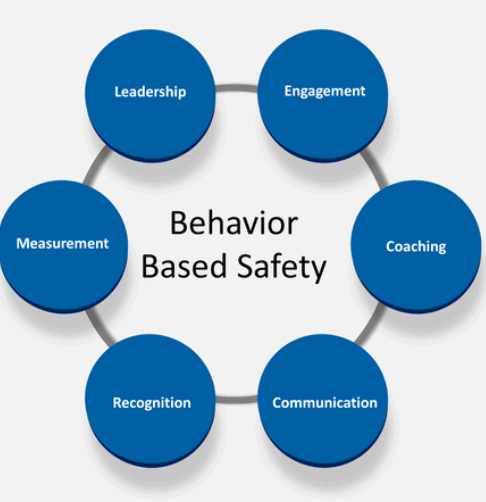
Leadership Commitment
Senior management plays an important role in BBS implementation. Leaders should communicate that workplace safety is a business priority and provide the resources required to support the program.
Leading by Example
Employees are more likely to follow safety expectations when supervisors and managers demonstrate safe behaviors themselves. Leadership participation can also help build trust between management and employees.
Employee Participation
Employees understand their daily work activities and may identify risks that are not always visible to management.
Employee involvement can include:
- Safety observations
- Toolbox talks
- Safety committees
- Near-miss reporting
- Hazard identification
- Safety improvement suggestions
This participation can help create ownership of workplace safety.
Safety Observation Process
Observation is one of the important elements of BBS. Employees or trained observers can monitor specific workplace behaviors and identify both positive and at-risk practices.
The purpose should be to understand the behavior and improve safety rather than simply find fault with individuals.
Feedback and Communication
Feedback helps employees understand what they are doing correctly and where improvements may be required.
Positive feedback can reinforce safe behaviors, while constructive feedback can help address unsafe practices before they contribute to an incident.
How BBS Implementation Programs Improve Workplace Safety
BBS can support a proactive approach to workplace safety by focusing on behaviors and workplace conditions that influence safety performance.
Early Identification of Unsafe Behaviors
Unsafe behaviors can sometimes become routine when they are not addressed. Regular observations provide an opportunity to identify these behaviors and discuss safer alternatives.
Improved Safety Awareness
Regular safety conversations can keep workplace risks visible to employees. This can encourage workers to think about safety before starting a task.
Better Employee Engagement
Employees who are actively involved in safety activities may feel a greater sense of responsibility for workplace safety.
Continuous Safety Improvement
BBS programs can generate useful information through observations and employee feedback. Organizations can review this information to identify recurring issues and develop improvement actions.
Building a BBS Training Program
Training is an important part of implementing BBS effectively. Employees and supervisors need to understand the purpose of the program and how to participate.
Topics Covered in BBS Training
A BBS training program may cover:
- Fundamentals of Behavior-Based Safety
- Safety culture
- Hazard identification
- Safe and unsafe behaviors
- Observation techniques
- Feedback methods
- Near-miss reporting
- Communication skills
- Root causes of unsafe behaviors
- Corrective actions
- Safety performance measurement
Practical Learning
BBS training can become more effective when it includes workplace examples, case studies, group discussions, role-playing, and practical observation exercises.
Measuring BBS Performance
Measurement allows organizations to understand whether their safety initiatives are producing useful improvements.
Leading Indicators
Leading indicators focus on proactive safety activities. Examples include:
- Number of safety observations
- Near-miss reports
- Safety meetings completed
- Employee participation
- Corrective actions closed
- Training participation
Lagging Indicators
Lagging indicators measure events that have already occurred, such as:
- Recordable injuries
- Lost-time incidents
- Property damage
- Accident frequency
- Incident severity
Organizations can review both leading and lagging indicators to develop a broader understanding of safety performance.
Common Challenges in BBS Implementation
Implementing a BBS program may involve several challenges. Organizations need to address these issues early to maintain employee participation and program effectiveness.
Resistance to Change
Employees may initially be uncertain about a new safety program. Clear communication about the purpose and benefits of BBS can help reduce confusion.
Lack of Management Support
Without visible leadership support, employees may not consider BBS a long-term organizational priority.
Poor Quality Observations
If observations are completed only to meet a target number, the collected information may have limited value. Observations should focus on meaningful workplace behaviors and conditions.
Fear of Blame
Employees may hesitate to report unsafe behaviors or hazards if they believe the information will be used for punishment.
A positive BBS approach should encourage learning, communication, and improvement rather than blame.
Steps to Implement a BBS Program
Organizations can follow a structured approach when introducing BBS.
Step 1: Assess the Existing Safety Culture
Understand current safety practices, employee concerns, incident trends, and communication systems.
Step 2: Define Safety Objectives
Set clear and measurable objectives for the BBS program.
Step 3: Identify Critical Behaviors
Identify behaviors that have a significant relationship with workplace safety.
Step 4: Train Employees and Observers
Provide practical training so participants understand how to conduct observations and provide useful feedback.
Step 5: Start Safety Observations
Begin observations in selected work areas and collect meaningful information.
Step 6: Review and Analyze Data
Look for repeated unsafe behaviors, workplace conditions, and areas requiring improvement.
Step 7: Take Corrective Action
Develop practical actions to address identified problems and track their completion.
Step 8: Review the Program
Regularly evaluate the program and make improvements based on employee feedback and safety performance data.
Role of The Safety Master in Safety Excellence
The Safety Master focuses on safety training, consulting, audits, risk management, and professional safety solutions for organizations. A structured approach to BBS can complement other workplace safety activities such as HIRA, safety audits, incident investigation, behavior-based safety training, and safety culture improvement.
Organizations should treat BBS as part of a broader safety management approach rather than as a standalone activity.
Conclusion
A strong safety culture develops through consistent actions, communication, leadership, employee participation, and continuous improvement. BBS Implementation Programs provide organizations with a structured way to focus on workplace behaviors, identify opportunities for improvement, and encourage employees to become active participants in safety.
When supported by effective training, meaningful observations, constructive feedback, and regular measurement, BBS can become an important part of an organization’s safety management system.
The Safety Master can help organizations build stronger safety practices through professional safety knowledge, training, audits, and risk management solutions focused on improving workplace safety and organizational performance.