The Safety Master: Pioneering Behavior-Based Safety Training

The Importance of Developing an Emergency Response and Disaster Management Plan (ERDMP) in Todays World
October 15, 2025
HAZOP vs. What-If Analysis Study
October 16, 2025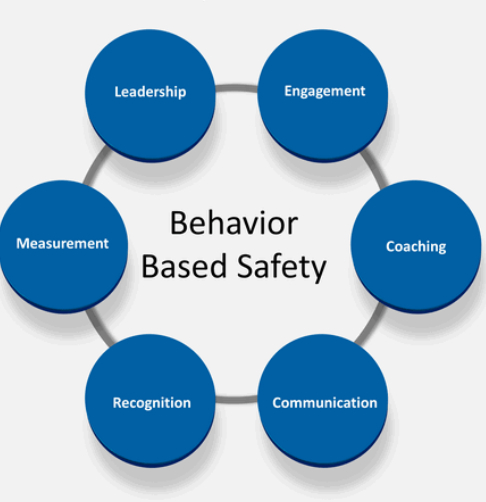
The Safety Master: Pioneering Behavior-Based Safety Training
Behavior-Based Safety training is a proactive approach that helps organizations improve workplace safety by focusing on employee behavior, safety awareness, hazard recognition, and positive safety practices. The Safety Master provides practical Behavior-Based Safety Training designed to help organizations build a stronger safety culture, encourage employee participation, identify unsafe behaviors, and reduce workplace incidents.
Unlike traditional safety programs that may focus mainly on rules and compliance, Behavior-Based Safety focuses on how people actually perform their jobs every day. By observing workplace behaviors, providing constructive feedback, and reinforcing safe actions, organizations can create a culture where safety becomes part of everyday work.
What Is Behavior-Based Safety Training?
Behavior-Based Safety (BBS) is a systematic safety management approach that focuses on observable workplace behaviors. It helps organizations understand why unsafe behaviors occur and how positive interventions can encourage safer work practices.
The objective is not to blame employees for unsafe actions. Instead, BBS looks at the factors influencing behavior, such as workplace conditions, procedures, training, supervision, communication, workload, and organizational culture.
A successful BBS program combines employee involvement, behavioral observation, feedback, data analysis, and continuous improvement.
Why Is Behavior-Based Safety Important?
Workplace safety depends on more than procedures, PPE, and equipment. Employees must also understand and consistently follow safe working practices.
Behavior-Based Safety helps organizations:
- Identify unsafe and at-risk behaviors.
- Reinforce positive safety behaviors.
- Increase employee safety awareness.
- Encourage near-miss and hazard reporting.
- Improve communication between workers and supervisors.
- Strengthen safety leadership.
- Reduce the likelihood of workplace incidents.
- Build a proactive safety culture.
The Safety Master focuses on practical implementation so that BBS principles can be applied to real workplace situations rather than remaining only theoretical.
Key Elements of Behavior-Based Safety Training
1. Employee Engagement
Employee participation is one of the most important parts of BBS. Workers who perform tasks every day often have valuable knowledge about workplace hazards and unsafe conditions.
Training encourages employees to actively participate in safety observations, hazard reporting, discussions, and corrective actions.
2. Behavioral Observation
Structured workplace observations help identify both safe and unsafe behaviors.
Examples may include:
- Correct use of PPE
- Safe material handling
- Proper machine operation
- Safe lifting practices
- Following permit-to-work requirements
- Safe work-at-height practices
- Following established operating procedures
3. Positive Feedback
BBS should not be based only on identifying mistakes. Positive feedback is important for reinforcing behaviors that contribute to workplace safety.
When employees receive constructive feedback, they are more likely to understand the importance of safe practices and repeat them.
4. Hazard Identification
Behavior-Based Safety supports proactive hazard identification by encouraging employees to recognize unsafe conditions and behaviors before they result in incidents.
Employees can report hazards, near misses, and unsafe practices so management can take appropriate corrective action.
5. Data Collection and Analysis
BBS observations can generate useful information about recurring unsafe behaviors and safety trends.
Organizations can analyze this information to identify:
- Frequently observed unsafe behaviors
- High-risk activities
- Repeated safety deviations
- Areas requiring additional training
- Departments requiring focused interventions
This allows safety teams to make decisions based on workplace data.
How The Safety Master Delivers Behavior-Based Safety Training
Practical and Workplace-Focused Learning
The Safety Master emphasizes practical learning that employees can apply during their normal work activities. Its BBS approach focuses on human behavior, employee engagement, hazard recognition, risk assessment, and positive safety practices.
Building a Strong Safety Culture
The goal of BBS is not simply to improve individual behavior. It is to create an environment where employees, supervisors, managers, and leaders share responsibility for safety.
Strong leadership commitment is essential because employees are more likely to adopt positive safety behaviors when management actively demonstrates its commitment to safety.
Moving Beyond Safety Compliance
Compliance is an important part of workplace safety, but organizations should aim for more than simply meeting minimum requirements.
Behavior-Based Safety helps organizations move toward a proactive safety culture where employees actively identify hazards, report concerns, and contribute to continuous improvement.
Benefits of Behavior-Based Safety Training
A well-planned BBS program can provide several benefits to organizations.
Reduced Unsafe Behaviors
Regular observation and feedback can help employees recognize unsafe habits and replace them with safer working practices.
Better Employee Participation
BBS encourages workers to become active participants in safety rather than viewing safety as the responsibility of the HSE department alone.
Improved Safety Communication
Regular discussions and feedback create opportunities for employees and supervisors to discuss workplace risks openly.
Stronger Safety Culture
When safe behavior is consistently recognized and reinforced, safety can become an integral part of organizational culture.
Better Incident Prevention
Identifying unsafe behaviors and hazards before an incident occurs gives organizations an opportunity to implement preventive measures.
Behavior-Based Safety Training Process
A practical BBS process can include the following stages:
Step 1: Identify Critical Behaviors
Identify workplace activities and behaviors that have a significant impact on safety performance.
Step 2: Develop Observation Criteria
Create clear observation criteria so employees and safety professionals know what behaviors should be observed.
Step 3: Conduct Workplace Observations
Perform structured observations during actual work activities.
Step 4: Provide Constructive Feedback
Discuss observations with employees and reinforce safe behaviors while addressing unsafe practices.
Step 5: Analyze Observation Data
Review collected information to identify trends, recurring problems, and high-risk activities.
Step 6: Implement Corrective Actions
Develop practical actions to address identified behavioral and workplace issues.
Step 7: Monitor and Improve
Continue monitoring results and modify the BBS program based on performance data and employee feedback.
The Safety Master also provides BBS implementation and BBS audit services as part of its safety culture transformation offerings.
Who Can Benefit From Behavior-Based Safety Training?
Behavior-Based Safety Training can benefit organizations across multiple industries, particularly workplaces where employee behavior can significantly influence operational risk.
It can be useful for:
- Manufacturing industries
- Chemical and petrochemical plants
- Oil and gas facilities
- Pharmaceutical industries
- Construction companies
- Power and energy facilities
- Warehousing and logistics operations
- Engineering organizations
- Infrastructure projects
- High-risk industrial workplaces
The training can be customized according to workplace activities, hazards, workforce requirements, and organizational safety objectives.
Why Choose The Safety Master for BBS Training?
The Safety Master combines safety expertise with practical workplace application. Its approach focuses on improving employee involvement, strengthening safety culture, and encouraging proactive identification of unsafe behaviors.
The organization offers Behavior-Based Safety Training as part of its wider safety culture transformation services, alongside BBS implementation, BBS audits, safety talks, safety perception surveys, and psychological assessments.
The Safety Master also highlights customized in-company training delivered by safety professionals, making the training suitable for organizations seeking workplace-specific safety development.
Conclusion
Behavior-Based Safety training helps organizations shift from a reactive approach to a proactive safety culture by focusing on employee behavior, observation, feedback, and continuous improvement. When supported by strong leadership and employee participation, BBS can help organizations identify unsafe behaviors, strengthen safety awareness, and improve workplace safety performance.
With a practical and workplace-focused approach, The Safety Master helps organizations develop stronger safety cultures through Behavior-Based Safety Training, BBS implementation, and related safety culture solutions.
Frequently Asked Questions
Q-What is Behavior-Based Safety Training?
Behavior-Based Safety Training is a systematic approach that focuses on employee behaviors and their impact on workplace safety. It teaches employees how to recognize safe and unsafe behaviors, provide constructive feedback, report hazards, and develop safer working habits.
Q-What are the main principles of Behavior-Based Safety?
The main principles include observing workplace behaviors, identifying safe and unsafe practices, providing constructive feedback, reinforcing positive behaviors, involving employees, analyzing safety data, and continuously improving safety performance.
Q-What is the purpose of BBS training?
The purpose of BBS training is to encourage safe workplace behaviors and reduce unsafe actions that could contribute to incidents. It also promotes employee participation, hazard reporting, safety awareness, and a proactive safety culture.
Q-How does Behavior-Based Safety improve workplace safety?
BBS improves workplace safety by identifying unsafe behaviors before they contribute to incidents. Regular observations, feedback, employee involvement, and data analysis help organizations understand behavioral trends and introduce targeted improvements.
Q-Is Behavior-Based Safety only for employees?
No. Effective BBS involves employees, supervisors, managers, safety professionals, and leadership. Management commitment is particularly important because leaders influence workplace priorities and safety culture.
Q-What industries can use Behavior-Based Safety Training?
BBS can be applied across manufacturing, chemical, oil and gas, pharmaceutical, construction, power, logistics, engineering, infrastructure, and other industries where employee behavior has an important impact on workplace safety.
Q-What is the difference between BBS and traditional safety training?
Traditional safety training often focuses on procedures, hazards, rules, and compliance. BBS adds a behavioral dimension by observing how employees perform tasks, understanding unsafe behaviors, providing feedback, and reinforcing safe practices.
Q-How can an organization implement a BBS program?
An organization can begin by identifying critical behaviors, developing observation criteria, training observers, conducting workplace observations, providing feedback, analyzing data, implementing corrective actions, and continuously monitoring performance.
Q-Why choose The Safety Master for Behavior-Based Safety Training?
The Safety Master provides practical, workplace-focused BBS training designed around employee engagement, behavioral observation, hazard awareness, and safety culture improvement. It also offers related BBS implementation and audit services.