Behavior-Based Safety (BBS) Training

The Future of First Aid: How Technology Is Revolutionizing Emergency Response Training
September 10, 2025
Safety Integrity Level (SIL) Assessment Training
September 13, 2025
Introduction to Behavior-Based Safety
Introduction to Behavior Based Safety Training
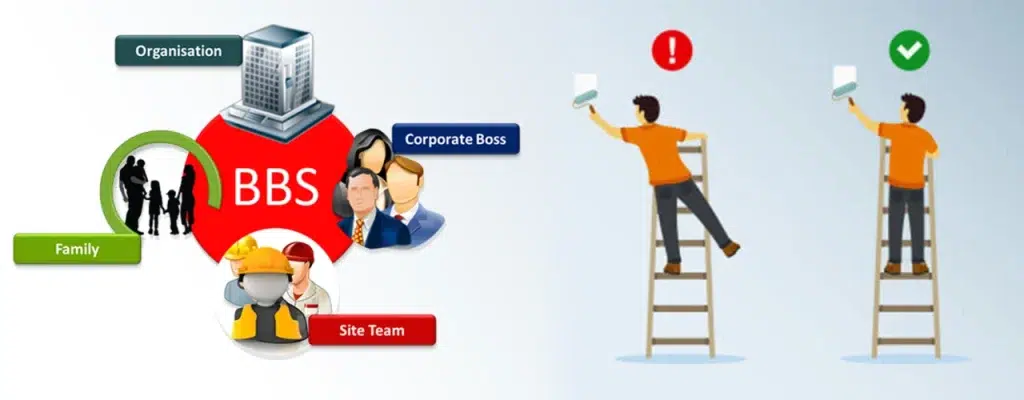
In modern industrial environments, workplace safety goes far beyond PPE, procedures, and compliance checklists. The majority of incidents stem from human actions. Behavior Based Safety Training addresses this reality by focusing on observable behaviors, positive reinforcement, and cultural change.
At The Safety Master, our Behavior Based Safety Training programs equip employees, supervisors, and leaders with practical skills to identify at-risk actions, provide constructive feedback, and make safe behavior the default choice. This proactive approach reduces incidents, improves engagement, and creates a sustainable safety culture.
What is Behavior-Based Safety (BBS)?
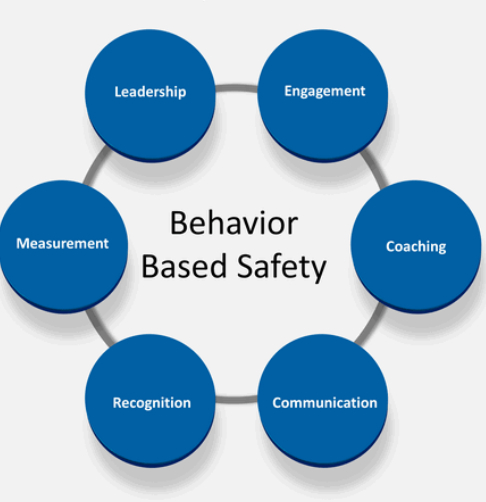
Behavior-Based Safety (BBS) is a proactive and practical approach to improving workplace safety by focusing on employee behavior. Rather than relying solely on rules, procedures, or hazard checklists, BBS emphasizes observing how employees act on the job and understanding the reasons behind those actions. Through consistent observation, feedback, and positive reinforcement, Behavior-Based Safety helps influence safer decision-making and habits. The goal is to reduce workplace injuries and incidents by encouraging employees to take ownership of safety—making it a personal and shared responsibility. BBS turns safety from a top-down rule into a day-to-day behavior.
BBS Full Form in Safety & Its Evolution
What is the Full Form of BBS in Safety?
The full form of BBS in safety is Behavior-Based Safety. It is a structured and scientific approach that applies principles of behavioral psychology to improve workplace safety. Behavior-Based Safety focuses on observing employee actions, analyzing behavioral patterns, and encouraging safe practices through positive reinforcement. Unlike traditional safety systems that prioritize equipment and procedures, BBS highlights the critical role human behavior plays in preventing incidents. By addressing at-risk actions and promoting safe habits, Behavior-Based Safety helps build a proactive safety culture where individuals take responsibility for their own actions and those of their peers.
The Evolution of BBS Safety
The concept of Behavior Based Safety Training began taking shape in the late 1970s and early 1980s when psychologists and safety experts started analyzing how employee behavior directly impacted workplace accidents. This marked a significant shift—from focusing solely on procedures and compliance to understanding the behavioral causes behind unsafe acts.
Over time, Behavior Based Safety Training has evolved into a more refined and technology-driven process. What once relied on paper checklists and manual observation has now embraced digital tools, real-time analytics, and interactive feedback systems. These innovations allow for faster insights and more consistent application across different industries.
Today, Behavior Based Safety Training combines behavioral science, data analysis, and leadership involvement to create a strong, sustainable safety culture. It empowers organizations to proactively identify risks, influence safer actions, and promote accountability at every level of the workforce. The result is a smarter, more human-centered approach to workplace safety.
Understanding Behavior-Based Safety Training Principles

Behavior Based Safety Training is a modern, proactive approach that focuses on the idea that human behavior has a direct impact on workplace safety. While safety rules, PPE, and procedures are vital, they can only be truly effective when workers follow them consistently. That consistency comes from influencing daily habits—and that’s the goal of Behavior Based Safety Training.
At the heart of Behavior Based Safety Training are three fundamental principles:
- Observation – Regularly observing employee behavior to identify both safe actions and risky habits.
- Intervention – Giving real-time, supportive feedback to correct unsafe behavior without blame.
- Reinforcement – Using positive reinforcement to encourage and maintain safe practices.
This training helps employees understand the difference between system failures and human errors. While systems may require technical fixes, unsafe behaviors can be corrected through awareness and behavioral change.
For example, in a construction setting, failing to wear a safety harness is a behavior-based risk. Through consistent Behavior Based Safety Training, workers are taught not only to wear the harness but to inspect it properly—making safety a habit rather than a rule.
Ultimately, Behavior Based Safety Training empowers teams to take responsibility for their actions, building a culture where safety is driven by people, not just policies.
Behavior Based Safety Training Overview
Behavior Based Safety Training forms the backbone of any successful BBS program. It empowers employees, supervisors, and safety observers with the skills and mindset needed to recognize, understand, and influence workplace behaviors that directly affect safety outcomes. Unlike conventional safety programs that focus mainly on rules and compliance, Behavior Based Safety Training emphasizes hands-on behavioral observation, real-time corrective feedback, and a commitment to continuous improvement.
This training goes beyond checking boxes—it builds awareness of how small daily actions can prevent major incidents. By fostering proactive thinking and accountability, Behavior Based Safety Training helps create a culture where safe behavior becomes second nature, not just an expectation. Whether you’re working on a shop floor, in a warehouse, or on a construction site, this training ensures every team member contributes actively to a safer, more responsible wo
Types of Behavior Based Safety Training
Different workplaces have different safety needs, which is why Behavior Based Safety Training is designed in multiple formats to suit various roles and organizational goals. Each type of training plays a unique role in building and sustaining a strong safety culture:
- Onboarding Training
This type of Behavior Based Safety Training introduces new employees to the organization’s safety values and behavioral expectations right from day one. It helps them understand how their actions contribute to a safer workplace. - Refresher Training
Periodic Behavior Based Safety Training sessions are conducted to reinforce foundational principles, address emerging behavior trends, and keep safety top-of-mind across all levels of the workforce. - Observer Training
This specialized Behavior Based Safety Training is designed for team members who are responsible for observing peer behavior and giving constructive, real-time feedback. It ensures that observation and intervention are done effectively and respectfully.
Each type of Behavior Based Safety Training supports long-term engagement and continuous improvement in workplace safety.
In-House vs. External Behavior Based Safety Training
Organizations can implement Behavior Based Safety Training either in-house or through external experts, depending on their goals and resources. In-house Behavior Based Safety Training programs are tailored to specific workplace hazards and cultural nuances, making them ideal for large teams and ongoing reinforcement. They’re also more cost-effective in the long run. On the other hand, external Behavior Based Safety Training brings specialized knowledge, objective insights, and proven frameworks that can enhance or jumpstart a BBS program. External trainers often introduce best practices that internal teams may overlook due to familiarity or bias.
Duration, Modules & Impact of Behavior Based Safety Training
The duration of Behavior Based Safety Training can vary—ranging from a one-day refresher for general staff to multi-day workshops for safety observers and team leaders. Typical modules include:
- Basics of behavioral science
- Observation and intervention techniques
- Constructive feedback delivery
- Real-world application through exercises and role-play
To evaluate the impact of Behavior Based Safety Training, companies should track KPIs such as the frequency of behavior observations, improvement in safe behaviors, reduction in incidents, and increased employee involvement.
At every level, from the shop floor to the C-suite, Behavior Based Safety Training helps individuals act more safely, communicate more effectively, and contribute to a lasting, people-driven safety culture.
Behavior Based Safety Training Best Practices
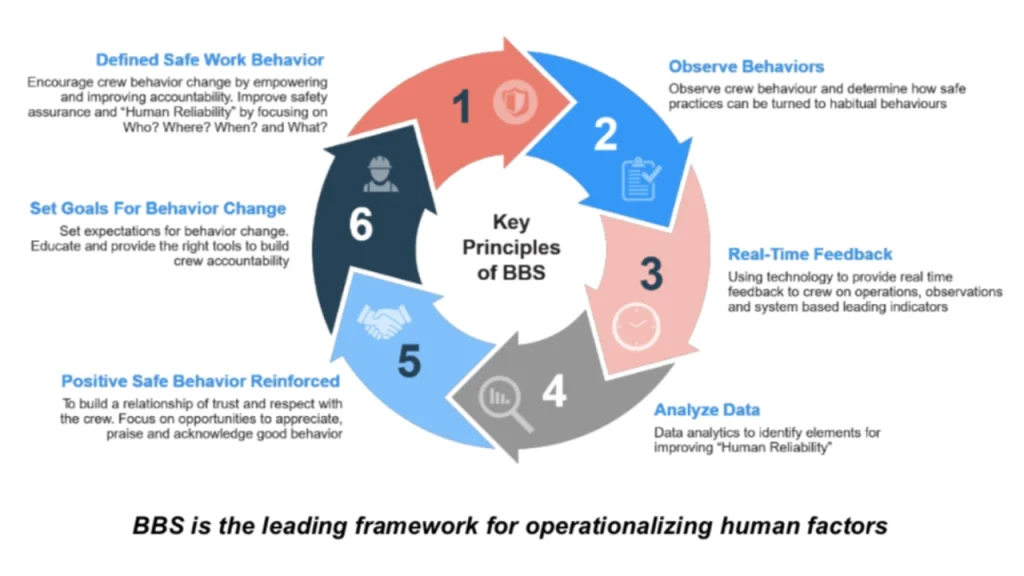
Implementing effective Behavior Based Safety Training requires more than just presenting theory—it demands active participation, ongoing support, and skill-building across all levels of the organization. The primary goal isn’t just to spot unsafe behaviors but to empower teams to reinforce safe habits through collaboration, trust, and communication.
Role-Playing and Real-Time Observation
A key component of successful Behavior Based Safety Training is role-playing. Simulating real-world situations allows employees to practice identifying unsafe behaviors and delivering feedback in a safe, controlled environment. When paired with real-time observations on the job, these exercises bridge the gap between learning and doing—making the training more impactful and relatable.
Soft Skills for Safety Observers
The effectiveness of Behavior Based Safety Training also depends on how feedback is communicated. Observers must be trained in soft skills like empathy, active listening, and respectful dialogue. Emphasizing non-blaming approaches helps build a culture where feedback is welcomed and safety becomes a shared responsibility—not a top-down mandate.
Training Managers to Lead by Example
Leadership is essential to the success of any Behavior Based Safety Training program. When managers consistently model safe behaviors and engage with employees on safety-related issues, it sends a clear message: safety is a core value, not just a checkbox. Behavior Based Safety Training for managers should focus on leading by example, recognizing positive actions, and fostering a sense of shared responsibility. When leaders actively support BBS efforts, they help create a culture where safe behavior is visible, encouraged, and expected at every level.
Measuring Behavioral Improvement
To ensure that Behavior Based Safety Training is truly effective, organizations must track measurable indicators of change. Key metrics include the number and quality of behavior observations, the ratio of safe to unsafe behaviors recorded, and employee responsiveness to feedback. By analyzing this data regularly, companies can refine training programs and monitor the overall progress of their safety culture.
When embedded throughout the organization, Behavior Based Safety Training becomes a powerful strategic asset—one that drives long-term cultural transformation rather than just meeting compliance standards.
Behavior Based Safety Training Implementation: A Step-by-Step Guide
Successfully implementing a Behavior Based Safety Training program requires a structured, repeatable approach. With clear steps and consistent execution, organizations can build a sustainable safety culture focused on proactive behavior change.
Here’s a five-step framework to guide your Behavior Based Safety Training rollout:
🔁 Step 1: Identify Critical Behaviors
Begin by pinpointing high-risk tasks and the key behaviors that influence safe outcomes. These must be specific, observable, and measurable—such as proper PPE usage or adherence to lockout/tagout procedures. This clarity forms the foundation of your Behavior Based Safety Training program.
👥 Step 2: Train Observers
Provide targeted Behavior Based Safety Training to safety observers, focusing on behavior recognition, observation skills, and feedback techniques. Observers should learn to document findings objectively and offer constructive, non-judgmental input.
👁️ Step 3: Conduct Observations
Trained observers monitor daily work activities without disrupting operations. Their goal is to collect real-time data on both safe and at-risk behaviors using consistent, standardized tools.
💬 Step 4: Provide Feedback
Observers engage with employees immediately, using positive, respectful feedback. This step of Behavior Based Safety Training reinforces good practices and encourages open communication—crucial for building trust and ownership.
📊 Step 5: Analyze Data and Improve
Review the observation data regularly to identify behavior patterns, trends, and improvement areas. Use these insights to refine your Behavior Based Safety Training, adjust safety protocols, or enhance workplace processes.
With this step-by-step strategy, Behavior Based Safety Training becomes a practical and measurable tool for reducing risks and enhancing organizational safety performance.
Behavior-Based Safety Examples from Industry

Behavior Based Safety Training: Real-World Industry Examples
Seeing how Behavior Based Safety Training is applied across industries helps organizations understand its real impact. These examples showcase how BBS programs, when effectively implemented, can dramatically reduce incidents and strengthen safety culture.
Case Study 1: Manufacturing Facility
At a large manufacturing plant, production pressure led workers to skip essential safety steps. The company rolled out Behavior Based Safety Training focused on consistent PPE use and proper machine lockout/tagout practices.
Results:
- 30% reduction in safety incidents within six months
- 50% improvement in PPE compliance through positive reinforcement
Case Study 2: Offshore Oil & Gas Platform
On a high-risk oil platform, Behavior Based Safety Training was introduced to address unsafe handling of hazardous materials and gaps in emergency responses. Observations and feedback were used to change unsafe habits.
Results:
- 40% reduction in near-miss incidents
- 25% increase in employee engagement in safety practices
- 20% decline in major incidents noted during audits
Case Study 3: Logistics & Warehousing
In a busy warehouse, workers faced injuries from poor lifting techniques and unsafe vehicle operation. The company launched Behavior Based Safety Training to teach proper lifting and inspection routines, supported by real-time feedback.
Results:
- 50% decrease in lifting-related injuries
- 35% boost in safe vehicle use
- Increased employee participation, improving morale and safety ownership
These examples prove that Behavior Based Safety Training doesn’t just change behavior—it transforms entire safety cultures.
Real Data & Before-and-After Scenarios
The success of behavior based safety examples in these industries is reflected in the data:
- Before BBS implementation, manufacturing sites saw a 15% injury rate; after BBS, this rate dropped to 10%.
- Oil & gas platforms reported a 50% reduction in equipment failure incidents within a year.
- Logistics companies that adopted BBS saw a 20% improvement in overall operational safety.
In these before-and-after scenarios, the evidence clearly shows that implementing a behavior based safety approach can lead to significant reductions in accidents and a safer, more productive workforce.
Challenges in Behavior Based Safety Training & How to Overcome Them
While Behavior Based Safety Training is a powerful tool for reducing workplace incidents and improving safety culture, organizations often face challenges during implementation and long-term execution. Identifying these obstacles early and addressing them with the right strategies is key to long-lasting success.
1. Employee Resistance to Behavior Based Safety Training
A common hurdle in rolling out Behavior Based Safety Training is resistance from employees. Some workers may perceive the training as a form of surveillance or fear it could be used to assign blame. To overcome this, safety leaders must clearly communicate that the purpose of the training is to support—not punish—employees. Framing BBS as a team-based, supportive system can help earn trust and promote participation.
2. Observer Bias and Inconsistent Training
Untrained or partially trained observers may unintentionally show bias, either by overlooking certain behaviors or focusing too much on particular individuals. To prevent this, Behavior Based Safety Training must include clear, objective observation guidelines. Ongoing refresher courses should be provided to ensure consistency and accuracy in feedback and reporting.
3. Sustaining Long-Term Engagement
The real test of any Behavior Based Safety Training program lies in its sustainability. Initial enthusiasm may fade, especially if follow-up efforts are weak. To maintain momentum, organizations should incorporate continuous feedback loops, celebrate safe behavior publicly, and ensure that leadership remains actively involved in promoting safety values.
By proactively addressing these challenges, companies can ensure their Behavior Based Safety Training efforts remain effective, credible, and deeply rooted in the everyday actions of their workforce.
Solutions: Engagement, Communication, Digital BBS Tools
Overcoming challenges in implementing Behavior Based Safety Training requires a combination of strategic engagement, transparent communication, and the use of technology. When these elements are aligned, organizations can strengthen their BBS programs and build a more proactive safety culture.
Engagement
Regular employee involvement is key to effective Behavior Based Safety Training. Recognizing and rewarding safe behaviors encourages participation and reinforces the idea that safety is everyone’s responsibility. Engagement initiatives can include safety champions, monthly recognition programs, and peer-to-peer feedback systems.
Communication
Clear, open communication is essential for building trust in Behavior Based Safety Training. When employees understand the ‘why’ behind BBS and see it as a supportive system rather than a disciplinary one, they are more likely to adopt and maintain safe behaviors.
Digital BBS Tools
Leveraging digital platforms can streamline the Behavior Based Safety Training process. Real-time observation tracking, mobile data collection, and automated reporting ensure no behavior goes unnoticed. These tools also provide actionable insights that help refine training and safety strategies.
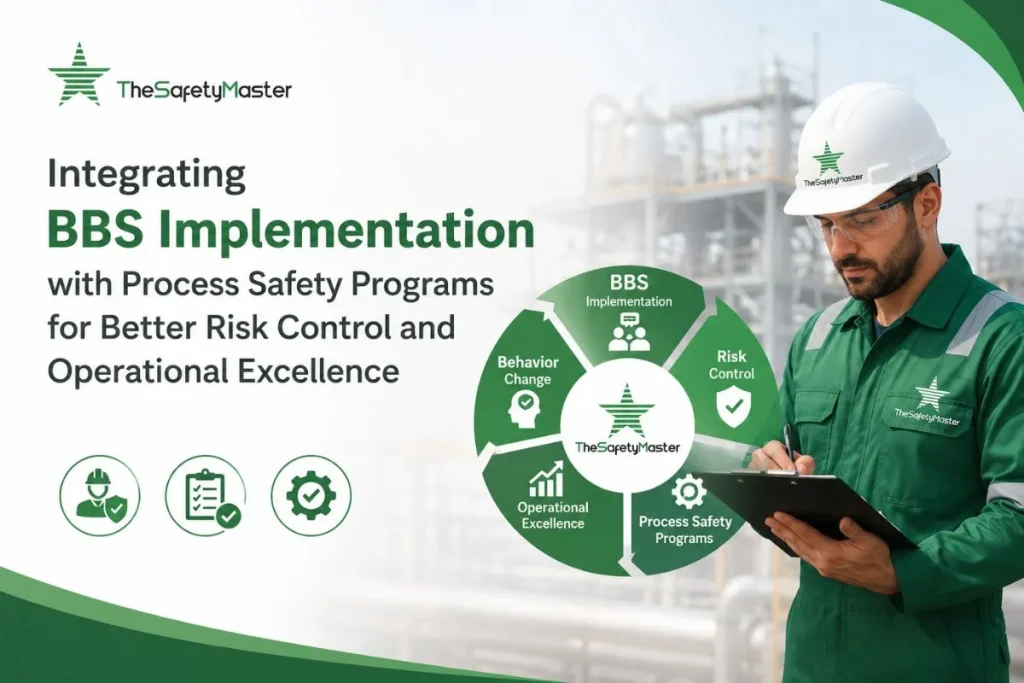
To further enhance the impact of BBS, it can be integrated with broader safety frameworks like a Hazop Study, Fire Audit, Safety Audit, and Process Safety Management. These systems work in tandem with Behavior Based Safety Training to offer a comprehensive view of workplace risks and provide targeted improvement areas.
By combining human engagement with digital intelligence and expert safety frameworks, organizations can ensure their Behavior Based Safety Training efforts are effective, sustainable, and aligned with their overall safety goals.
Conclusion & Key Takeaways
In conclusion, Behavior Based Safety Training offers a transformative approach to workplace safety by addressing the human behaviors that often lead to incidents. Rather than relying solely on rules and equipment, this training empowers employees to make safe choices in real time—building a proactive safety culture rooted in awareness, accountability, and engagement.
Key Takeaways:
- Behavior Based Safety Training helps identify, correct, and reinforce critical behaviors before they contribute to accidents or injuries.
- Ongoing training and structured observations create a culture where all employees feel responsible for their own safety and that of their peers.
- Overcoming obstacles such as employee resistance and observer bias is essential for the long-term success of Behavior Based Safety Training.
- Digital BBS tools and real-time feedback mechanisms enhance the effectiveness, consistency, and scalability of the program.
- Continuous improvement is key. Regularly assess behaviors, provide timely feedback, and adapt your Behavior Based Safety Training strategy to meet changing workplace needs.
Behavior Based Safety Training is not a one-time initiative—it’s an ongoing process that requires leadership, participation, and reinforcement. Start building a stronger, safer workplace today by making behavior your first line of defense.
Why Choose The Safety Master for Behavior Based Safety Training?
The Safety Master (TSM TheSafetyMaster Private Limited) is a trusted partner for industrial safety excellence. Our trainers combine deep behavioral science knowledge with practical industry experience. We offer customized, interactive programs—on-site or virtual—designed for manufacturing, construction, process industries, and more.
We support full BBS implementation, observer development, leadership engagement, and ongoing handholding so your program delivers lasting results.
Frequently Asked Questions (FAQs)
Q1. What is Behavior Based Safety Training?
Behavior Based Safety Training (BBS Training) is a structured program that teaches employees and leaders how to observe workplace behaviors, provide constructive feedback, reinforce safe actions, and build a proactive safety culture.
Q2. What is the full form of BBS in safety?
BBS stands for Behavior-Based Safety.
Q3. How does Behavior Based Safety Training reduce workplace incidents?
By focusing on the human behaviors that contribute to most incidents, training shifts habits through observation, feedback, and positive reinforcement, preventing at-risk actions before they cause harm.
Q4. Who should attend Behavior Based Safety Training?
All employees benefit. Specialized modules are recommended for new joiners, peer observers, supervisors, and senior leaders.
Q5. What is the difference between traditional safety training and BBS Training?
Traditional training emphasizes rules, procedures, and compliance. BBS Training focuses on observable behaviors, real-time coaching, and creating lasting behavioral change.