Why Is an Electrical Safety Audit Important for Workplace Safety?

Why Is a Contractor Safety Audit Important for Workplace Safety?
May 17, 2023
How to Conduct a Thorough Safety Audit for Solar Power Plant Safety Compliance
May 18, 2023
What Is an Electrical Safety Audit?
An Electrical Safety Audit is a systematic assessment of electrical installations, equipment, systems, procedures, and workplace practices. It helps an organization identify electrical hazards and determine whether suitable safety controls are in place.
Electricity is essential for almost every industry. Manufacturing plants, warehouses, offices, hospitals, commercial buildings, construction sites, hotels, and other workplaces depend on electrical systems every day. At the same time, electrical faults can cause electric shock, burns, arc flash, fires, explosions, equipment damage, production losses, and serious injuries.
A professional electrical safety audit helps organizations identify unsafe conditions before they become major incidents. It also provides management with practical recommendations for improving electrical safety and reducing workplace risks.
The Safety Master supports organizations with safety audits, risk assessments, consulting, and training designed to strengthen workplace safety systems.
Why Is Electrical Safety Important in the Workplace?
Electrical hazards can sometimes remain unnoticed until an incident occurs. A damaged cable, loose connection, overloaded circuit, poor earthing, defective breaker, or improperly maintained electrical panel can create a serious risk.
Workplace electrical safety is therefore not only about installing electrical equipment correctly. It also involves regular inspection, preventive maintenance, employee awareness, safe operating procedures, emergency preparedness, and effective risk control.
An electrical safety audit helps management answer important questions:
- Are electrical installations maintained properly?
- Are electrical panels in safe condition?
- Is adequate earthing provided?
- Are cables and wires protected from damage?
- Are electrical rooms properly maintained?
- Are protective devices working correctly?
- Are employees following safe electrical practices?
- Are electrical inspection and maintenance records available?
- Are electrical hazards identified and controlled?
- Are corrective actions from previous inspections closed?
These questions help organizations understand their actual electrical safety performance.
What Does an Electrical Safety Audit Cover?
The scope of an electrical safety audit depends on the workplace, electrical system, activities, and level of risk. A comprehensive audit may cover the following areas.
Electrical Panels and Distribution Boards
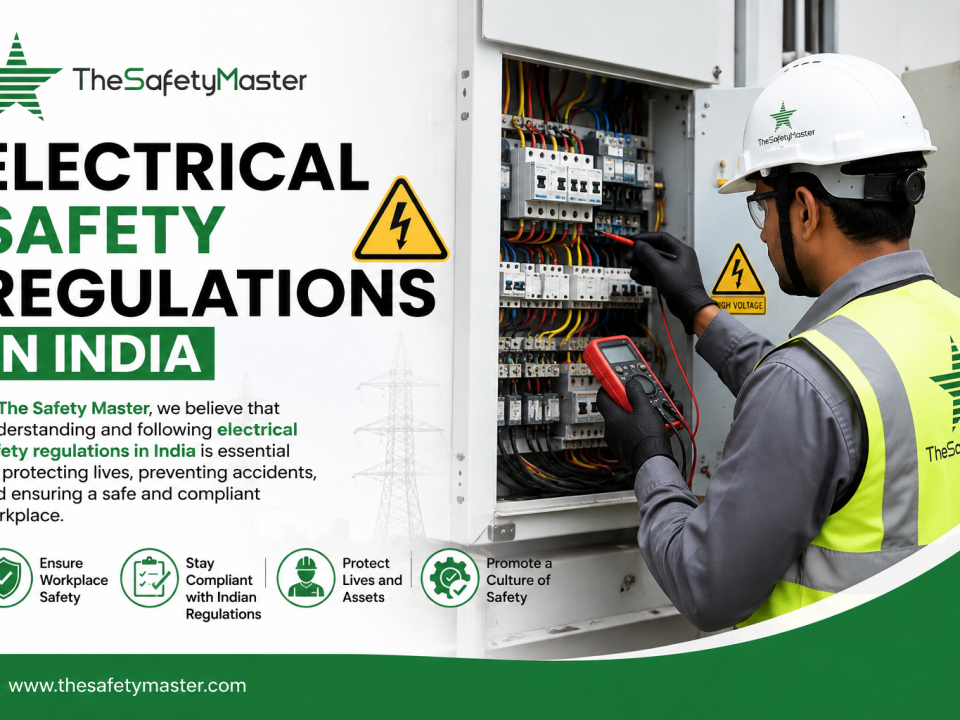
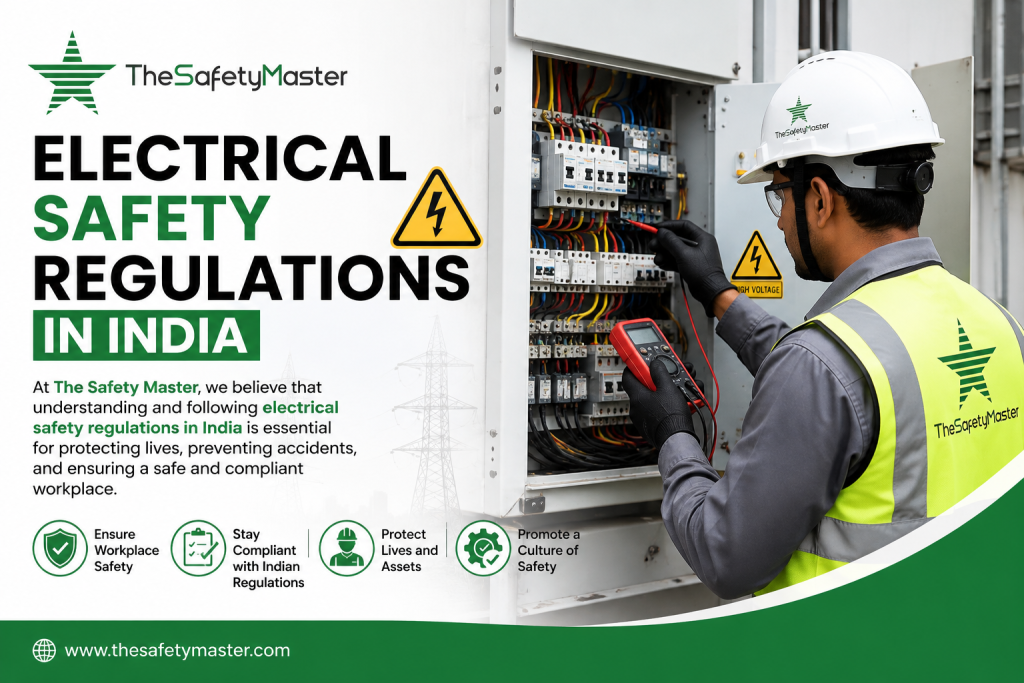
Electrical panels are important parts of a facility’s power distribution system. During an audit, panels may be checked for physical condition, proper labeling, accessibility, protection, housekeeping, and signs of overheating or damage.
Auditors may also look for exposed electrical parts, loose connections, missing covers, improper modifications, and unsuitable temporary arrangements.
Cables and Wiring
Damaged or poorly installed cables can create significant hazards. The audit may check cable insulation, routing, protection, connections, joints, cable trays, and signs of physical deterioration.
Cables should be appropriately protected from mechanical damage, heat, moisture, chemicals, and other workplace conditions.
Earthing and Grounding
Effective earthing is an important electrical safety control. The audit can review the condition and continuity of earthing arrangements and available testing records.
Poor or damaged earthing can increase the risk of electric shock and equipment damage during electrical faults.
Circuit Breakers and Protective Devices
Protective devices help protect electrical systems from faults and abnormal conditions. The audit may review the condition, suitability, identification, and maintenance of breakers and other protective devices.
Electrical Equipment
Electrical equipment such as motors, machines, pumps, compressors, welding equipment, portable tools, and appliances may be inspected for damage, maintenance condition, connections, and safe use.
Electrical Rooms
Electrical rooms should be kept accessible, clean, organized, and appropriately controlled. Storage of unrelated materials inside electrical rooms can create additional hazards and may interfere with access during emergencies.
Common Electrical Hazards Found During an Audit
A major purpose of an electrical safety inspection is to identify hazards that could contribute to an accident.
Damaged Electrical Cables
Broken insulation, exposed conductors, crushed cables, and poor cable joints can create shock and fire hazards.
Overloaded Circuits
Connecting too many loads to a circuit can cause overheating and may increase the possibility of electrical failure or fire.
Poor Earthing
Inadequate earthing can increase the severity of an electrical fault and create a serious shock hazard.
Exposed Live Parts
Unprotected live electrical parts can expose employees to dangerous electrical contact.
Improper Temporary Wiring
Temporary wiring that remains in use for long periods or is poorly protected can create significant risks.
Poor Electrical Panel Housekeeping
Dust, moisture, combustible materials, or unrelated storage around electrical panels can increase risk and interfere with emergency access.
Improper Use of Extension Boards
Overloaded or damaged extension boards and unsuitable electrical connections can create overheating and fire hazards.
Lack of Electrical Isolation
Employees performing maintenance work need suitable isolation procedures to prevent unexpected energization.
Inadequate Electrical Maintenance
Failure to inspect and maintain electrical equipment can allow minor defects to become major problems.
Electrical Safety Audit Process
A structured audit helps ensure that important areas are not missed.
Audit Planning
The first step is to define the scope and objectives. The audit team may review the facility layout, electrical systems, activities, previous incidents, previous audit findings, and maintenance information.
The audit scope should reflect the size and complexity of the facility.
Document Review
Relevant documents may include:
- Electrical drawings
- Equipment lists
- Maintenance records
- Testing reports
- Inspection records
- Electrical procedures
- Training records
- Incident records
- Risk assessments
- Previous audit reports
- Corrective action records
Document review helps auditors understand how the electrical system is managed.
Physical Inspection
The audit team then conducts a physical inspection of electrical installations and work areas.
The inspection may cover electrical panels, cables, machines, sockets, tools, generators, transformers, electrical rooms, control systems, and other relevant equipment.
Employee Interaction
Talking with employees can provide useful information about actual working conditions.
Employees may identify problems that are not obvious during a short inspection, such as recurring electrical faults, damaged equipment, difficult isolation points, or inadequate training.
Risk Assessment
Identified hazards should be evaluated according to their potential consequences and likelihood.
Higher-risk findings should receive appropriate priority.
Audit Report
The final report should clearly describe:
- Observed condition
- Location
- Identified hazard
- Risk significance
- Recommended corrective action
- Priority
- Responsible department or person
- Target completion date
A clear report helps management convert audit findings into action.
Electrical Safety Audit Checklist
A practical electrical safety audit checklist can include the following points:
- Electrical panels are properly identified.
- Panel doors and covers are maintained.
- Electrical rooms are free from unnecessary storage.
- Cables are adequately protected.
- Damaged cables are replaced.
- Electrical equipment is properly maintained.
- Earthing arrangements are available and maintained.
- Electrical testing records are available.
- Circuit breakers are appropriately identified.
- Emergency isolation arrangements are available.
- Portable electrical tools are inspected.
- Extension boards are used safely.
- Employees receive electrical safety training.
- Appropriate PPE is available.
- Electrical work follows safe isolation procedures.
- Warning signs are provided where required.
- Fire protection arrangements are suitable for electrical areas.
- Corrective actions from previous audits are tracked.
- Electrical maintenance is planned.
- Electrical incidents and near misses are recorded.
This checklist should be adapted to the specific electrical system and hazards of the workplace.
How to Improve Electrical Safety After an Audit
Completing an audit is only the beginning. The organization should take action on identified findings.
Correct High-Risk Conditions Quickly
Serious hazards should receive immediate attention. Where necessary, unsafe equipment or systems should be isolated until appropriate corrective measures are implemented.
Strengthen Preventive Maintenance
Electrical systems should be inspected and maintained according to suitable schedules and applicable requirements.
Train Employees
Employees should understand electrical hazards relevant to their work. Training can include electrical awareness, safe equipment use, emergency response, PPE, and isolation practices.
Improve Housekeeping
Electrical rooms, panels, cable routes, and work areas should be maintained in an orderly condition.
Monitor Corrective Actions
Each finding should have an assigned responsibility and completion target. Closure should be verified rather than simply marked as completed.
Benefits of an Electrical Safety Audit
A professional audit can provide several benefits to an organization.
Reduction of Electrical Risks
Identifying hazards early allows organizations to introduce controls before an incident occurs.
Improved Equipment Reliability
Regular inspection and maintenance can help identify developing electrical problems and support reliable operation.
Better Fire Prevention
Many workplace fires can be associated with electrical faults. Identifying overloaded circuits, damaged cables, poor connections, and other hazards can strengthen fire prevention.
Improved Employee Awareness
Audits can highlight areas where employees require additional training or supervision.
Better Safety Documentation
A structured audit creates documented information about electrical safety conditions and corrective actions.
Improved Safety Management
Electrical safety can become part of the organization’s wider occupational health and safety management system.
Reduced Operational Disruption
Preventive identification of electrical problems may help organizations reduce unexpected equipment failures and production interruptions.
Role of The Safety Master in Electrical Safety
The Safety Master provides professional safety consulting, auditing, training, and risk management support for organizations across different industries.
An electrical safety audit should be practical and focused on actual workplace risks. The objective should not simply be to produce a long checklist. The objective is to identify meaningful hazards, understand their potential consequences, and recommend suitable corrective measures.
The Safety Master can help organizations approach electrical safety through systematic inspection, hazard identification, risk evaluation, reporting, and corrective action planning.
Organizations should also remember that electrical safety is a continuous process. Changes to equipment, production processes, building layouts, electrical loads, or working conditions can introduce new risks. Periodic review is therefore important.
Why Choose a Professional Electrical Safety Audit?
Internal inspections are useful, but an independent professional assessment can provide a different perspective. External auditors may identify conditions that employees have become accustomed to seeing.
A professional audit can combine workplace observation, technical assessment, document review, employee interaction, and risk-based recommendations.
The most valuable audit is one that helps management understand what the problem is, why it matters, and what should be done next.
Conclusion
An Electrical Safety Audit is an important tool for identifying electrical hazards and improving workplace safety. From electrical panels and cables to earthing, protective devices, equipment, maintenance, and employee practices, every important part of the electrical system should be evaluated according to the workplace’s risk profile.
Regular electrical inspections, preventive maintenance, employee training, safe operating procedures, and corrective action tracking can help organizations build stronger electrical safety practices.
The Safety Master can support organizations with professional safety auditing and risk management services to help identify gaps and develop practical safety improvements. A proactive approach to electrical safety can protect employees, equipment, property, and business operations.