What Makes the Top Safety Consultants Stand Out in Industrial Safety?

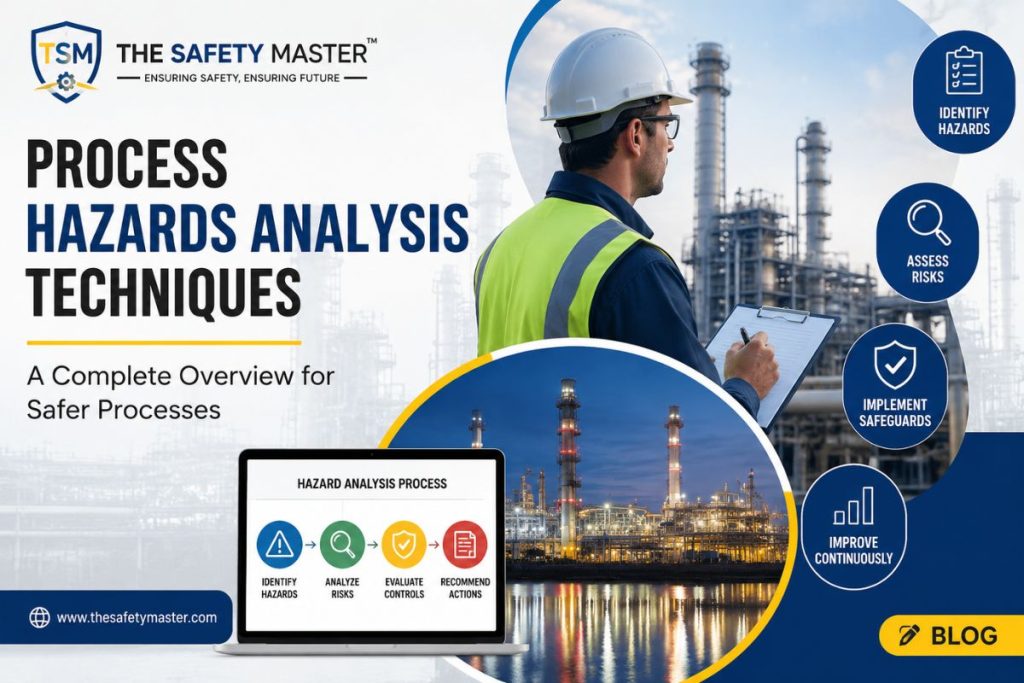
Risk-Based Inspection (RBI) Implementation: A Complete Guide
June 25, 2026
Fire Safety Audit Checklist: Key Areas Every Facility Must Inspect
June 29, 2026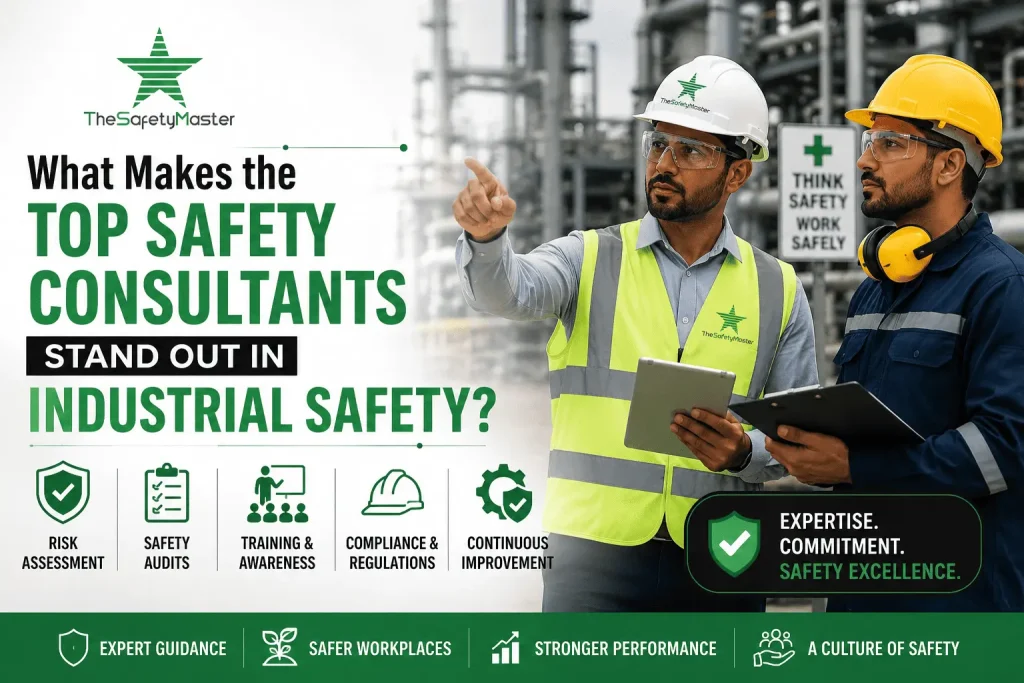
Industrial safety is no longer just about meeting regulations. Modern industries operate in complex environments where a single safety incident can result in injuries, production losses, environmental damage, legal penalties, and reputational harm. As industries continue to expand and adopt advanced technologies, the role of safety consultants has become increasingly important.
Organizations across manufacturing, oil and gas, chemical processing, pharmaceuticals, power generation, and construction sectors rely on safety experts to identify hazards, improve workplace safety, and ensure regulatory compliance. However, not all consultants deliver the same value. The top safety consultants stand out because they go beyond basic compliance and help organizations build a proactive safety culture that protects people, assets, and business continuity.
In this article, we explore the qualities, expertise, and approaches that distinguish leading safety consultants in industrial safety and why businesses should carefully evaluate their safety partners.
Why Industrial Safety Consulting Matters
Industrial facilities face numerous risks every day. These include equipment failures, chemical releases, fire hazards, confined space incidents, electrical accidents, and human errors. Without proper risk management, these hazards can lead to severe consequences.
Safety consultants provide specialized knowledge and practical solutions to help organizations:
- Identify workplace hazards
- Conduct risk assessments
- Improve operational safety
- Achieve regulatory compliance
- Reduce accidents and incidents
- Enhance employee awareness
- Strengthen emergency preparedness
- Improve overall business performance
The best consultants do not simply point out problems. They provide practical recommendations that align with operational goals while maintaining high safety standards.
Key Characteristics of Top Safety Consultants
Deep Industry Knowledge
One of the most important qualities of a leading safety consultant is extensive industry experience. Different industries face different risks, regulations, and operational challenges.
For example:
- Chemical plants require expertise in process safety management.
- Construction projects require fall protection and site safety planning.
- Manufacturing facilities need machine safety and operational risk controls.
- Oil and gas operations require hazard analysis and emergency response planning.
Top consultants understand the unique risks associated with specific industries and can provide customized solutions instead of generic recommendations.
Strong Understanding of Safety Regulations
Industrial safety regulations continue to evolve. Organizations must comply with various local, national, and international standards.
Experienced safety consultants stay updated with:
Occupational Safety Requirements
They understand workplace safety regulations that apply to employee protection, equipment safety, and operational procedures.
Environmental Compliance Standards
Many industrial operations must also comply with environmental regulations regarding emissions, waste management, and hazardous materials.
International Safety Frameworks
Leading consultants often possess expertise in internationally recognized standards such as:
- ISO 45001 Occupational Health and Safety Management Systems
- Process Safety Management (PSM)
- Risk Management Frameworks
- Hazard Identification Standards
Their ability to interpret and implement these standards helps organizations avoid compliance gaps and regulatory penalties.
Expertise in Risk Assessment and Hazard Identification
Identifying Hidden Risks
The best safety consultants have the ability to identify risks that may not be obvious to internal teams. Their independent perspective allows them to uncover vulnerabilities before incidents occur.
Common areas of focus include:
- Equipment hazards
- Chemical hazards
- Fire and explosion risks
- Ergonomic concerns
- Electrical safety issues
- Human factor risks
Advanced Risk Assessment Techniques
Top consultants utilize proven methodologies such as:
HAZOP Studies
Hazard and Operability Studies help identify process deviations that could lead to unsafe conditions.
Risk Assessments
Structured risk assessments evaluate the likelihood and severity of potential hazards.
Job Safety Analysis
Task-specific evaluations help identify risks associated with routine and non-routine activities.
Quantitative Risk Analysis
Advanced facilities often require detailed risk modeling to evaluate complex scenarios.
These tools help organizations prioritize risks and allocate resources effectively.
Focus on Process Safety Excellence
Process safety plays a critical role in industries handling hazardous chemicals, high-pressure systems, and complex industrial processes.
Understanding Process Safety Management
Top safety consultants possess deep knowledge of Process Safety Management (PSM). They help organizations establish systems that prevent catastrophic incidents such as:
- Chemical releases
- Explosions
- Fires
- Toxic gas leaks
Process Safety Services Offered
Leading consultants often provide:
- Process Hazard Analysis
- HAZOP Studies
- Safety Integrity Level (SIL) Assessment
- Layers of Protection Analysis (LOPA)
- Safety Management Systems
- Emergency Response Planning
Their expertise helps organizations prevent major accidents and maintain operational integrity.
Ability to Build a Strong Safety Culture
Many organizations focus heavily on procedures and documentation while overlooking culture. However, a strong safety culture is often the difference between average and exceptional safety performance.
Encouraging Employee Participation
Top consultants understand that employees play a critical role in workplace safety.
They encourage:
- Hazard reporting
- Near-miss reporting
- Employee engagement
- Safety observations
- Continuous improvement initiatives
Leadership Involvement
Effective consultants work closely with management teams to create accountability and demonstrate leadership commitment toward safety objectives.
When leadership actively supports safety initiatives, employees are more likely to follow safe practices consistently.
Practical and Business-Oriented Solutions
Moving Beyond Compliance
Average consultants often focus solely on compliance requirements. Top safety consultants go further by aligning safety improvements with business goals.
They understand that organizations need solutions that are:
- Practical
- Cost-effective
- Sustainable
- Operationally feasible
Reducing Operational Risks
Rather than creating unnecessary administrative burdens, experienced consultants focus on improvements that reduce risk while maintaining productivity and efficiency.
This balanced approach delivers measurable value to organizations.
Effective Training and Workforce Development
A well-trained workforce is essential for maintaining a safe work environment.
Customized Safety Training Programs
Top consultants design training programs based on organizational needs rather than using generic content.
Training may include:
- Process Safety Awareness
- Emergency Response
- Permit to Work Systems
- Hazard Communication
- Confined Space Safety
- Contractor Safety Management
Improving Safety Competency
Training should not simply meet compliance requirements. The best consultants ensure employees understand how to apply safety principles in real-world situations.
This practical approach leads to better safety performance and reduced incident rates.
Data-Driven Decision Making
Modern industrial safety increasingly relies on data analysis.
Using Safety Metrics
Leading consultants help organizations track key indicators such as:
- Incident rates
- Near misses
- Unsafe conditions
- Audit findings
- Corrective actions
- Safety observations
Identifying Trends
By analyzing safety data, consultants can identify recurring issues and recommend targeted improvements before serious incidents occur.
This proactive approach helps organizations continuously improve their safety performance.
Strong Audit and Assessment Capabilities
Comprehensive Safety Audits
Top safety consultants conduct detailed audits that evaluate:
- Management systems
- Operational controls
- Workplace practices
- Emergency preparedness
- Regulatory compliance
Gap Analysis
Gap assessments help organizations understand where they currently stand and what improvements are needed to achieve compliance and operational excellence.
These evaluations provide a clear roadmap for improvement.
Excellent Communication Skills
Technical expertise alone does not make a consultant effective.
Translating Complex Concepts
The best consultants can explain complex safety issues in simple and understandable language.
This helps:
- Employees understand risks
- Managers make informed decisions
- Leadership prioritize safety investments
Collaborative Approach
Successful consultants work as partners rather than inspectors. They collaborate with teams at all levels to achieve sustainable improvements.
This collaborative mindset creates trust and encourages long-term success.
Technology and Innovation in Safety Consulting
Industrial safety is evolving rapidly due to advancements in technology.
Digital Safety Solutions
Leading consultants leverage technology such as:
- Digital inspection systems
- Safety management software
- Risk assessment platforms
- Incident reporting applications
Predictive Safety Analytics
Advanced analytics can help organizations identify emerging risks and take preventive action before incidents occur.
Consultants who embrace innovation often deliver greater value and efficiency.
How to Choose the Right Safety Consultant
Selecting a safety consultant should involve careful evaluation.
Consider the following factors:
Relevant Industry Experience
Choose consultants with proven experience in your industry and operational environment.
Technical Expertise
Evaluate qualifications, certifications, and specialized knowledge in areas such as process safety, risk management, and regulatory compliance.
Proven Track Record
Review client references, case studies, and project outcomes.
Practical Recommendations
Ensure the consultant provides realistic and actionable solutions rather than generic reports.
Long-Term Partnership Approach
The most effective consultants focus on continuous improvement and long-term relationships rather than one-time engagements.
The Business Benefits of Working with Top Safety Consultants
Organizations that partner with experienced safety consultants often achieve significant benefits, including:
- Reduced workplace incidents
- Improved regulatory compliance
- Enhanced employee safety
- Lower operational risks
- Better emergency preparedness
- Increased productivity
- Stronger safety culture
- Reduced insurance costs
- Improved business reputation
These benefits extend far beyond compliance and contribute directly to organizational success.
Conclusion
The top safety consultants stand out because they combine technical expertise, industry experience, practical problem-solving, and a deep commitment to safety excellence. They do more than identify hazards or complete compliance checklists. They help organizations create safer workplaces, strengthen operational resilience, and foster a culture where safety becomes an integral part of business success.
As industrial operations become increasingly complex, partnering with experienced safety professionals is one of the most valuable investments an organization can make. Whether through risk assessments, process safety management, safety audits, workforce training, or safety culture development, the right consultant can significantly improve both safety performance and business outcomes.
Organizations seeking long-term success should view safety consulting not as an expense, but as a strategic investment that protects people, assets, and the future of the business.
FAQ: What Makes the Top Safety Consultants Stand Out in Industrial Safety?
1. What does a safety consultant do in industrial safety?
A safety consultant helps organizations identify workplace hazards, assess risks, improve safety procedures, and comply with industry regulations. They conduct safety audits, risk assessments, training programs, and process safety studies to reduce accidents and create a safer working environment.
2. Why is hiring a safety consultant important for industrial facilities?
Hiring a safety consultant helps businesses prevent workplace incidents, reduce operational risks, improve compliance with safety regulations, and protect employees. Their expertise can also help organizations avoid costly downtime, legal penalties, and reputational damage caused by safety failures.
3. What qualities should businesses look for in a top safety consultant?
Businesses should look for industry experience, technical expertise, knowledge of safety regulations, strong communication skills, and a proven track record of successful projects. The best safety consultants provide practical solutions that improve both safety performance and operational efficiency.
4. How do safety consultants help improve process safety management?
Safety consultants support Process Safety Management (PSM) by conducting HAZOP studies, risk assessments, Layers of Protection Analysis (LOPA), Safety Integrity Level (SIL) assessments, and emergency response planning. These activities help prevent major incidents such as fires, explosions, and chemical releases.
5. What are the benefits of conducting regular safety audits?
Regular safety audits help organizations identify compliance gaps, uncover hidden hazards, evaluate the effectiveness of safety programs, and implement corrective actions. They support continuous improvement, strengthen workplace safety culture, and reduce the likelihood of accidents and operational disruptions.