Adapting Industry Safety Protocols for Modern Resilience

Fire Drill: Training, Safety, Procedures, & Reports
December 26, 2024
Optimizing Pressure Vessel Testing: NDT, Scheduling & Lessons
December 27, 2024
The Safety Master has always emphasized that industrial safety cannot remain static in a world where technology, processes, and risks are evolving at an unprecedented pace. As factories, plants, and worksites integrate automation, connected devices, and data-driven systems, the safety frameworks that once protected workers must be rebuilt for a far more complex operating environment. This article looks at how organizations are reshaping their safety protocols to stay resilient, compliant, and prepared for whatever comes next.
Why Legacy Safety Protocols Are No Longer Enough
For decades, industrial safety relied on checklists, manual inspections, and reactive responses to incidents. These methods served their purpose in simpler operating environments, but today’s facilities are far more interconnected and technologically advanced. A protocol written ten years ago may not account for the risks introduced by robotics, smart sensors, or hybrid human-machine workflows.
The Shift Toward Proactive Risk Management
Modern industries can no longer afford to wait for an incident to expose a gap in their safety system. Instead, organizations are moving toward proactive risk identification, where hazards are flagged and addressed before they escalate. This shift requires safety teams to think beyond compliance checklists and build systems that continuously assess risk in real time.
Regulatory Pressure and Global Standards
Alongside technological change, regulatory bodies across the world are tightening safety standards. Companies operating across multiple regions must now align with varying compliance frameworks while maintaining a consistent internal safety culture. This regulatory complexity is another reason legacy protocols, built around a single static standard, fall short in practice.
Harnessing Technology to Build Safer Operations
Predictive Analytics and Real-Time Monitoring
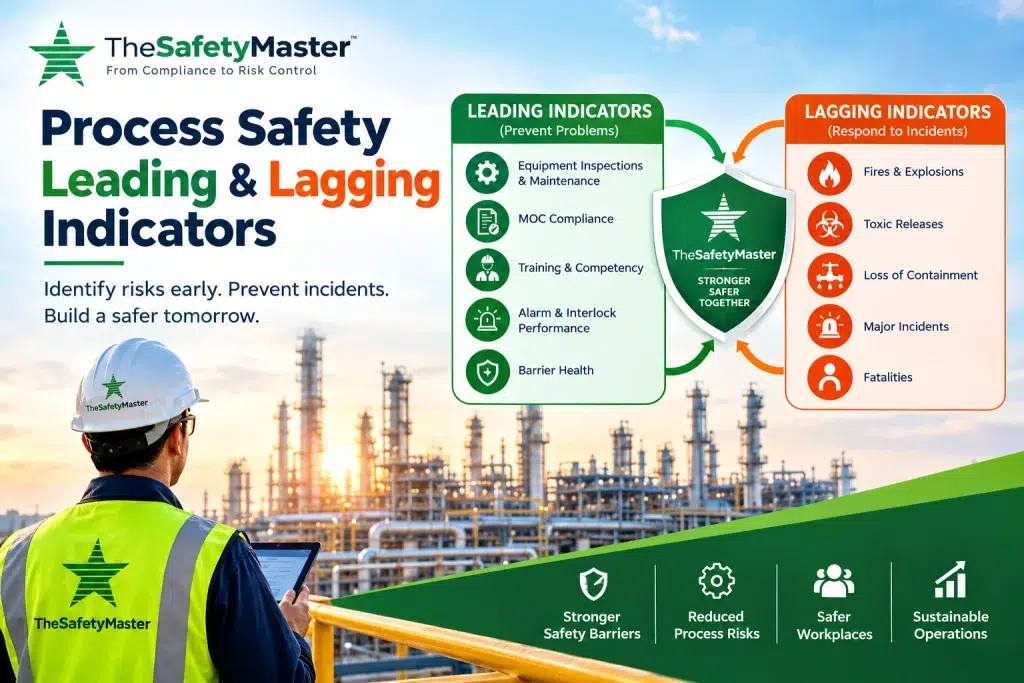
One of the most significant advances in industrial safety is the use of predictive analytics. Sensors placed across equipment and facilities continuously collect data on temperature, vibration, pressure, and other operational indicators. When this data is analyzed in real time, it becomes possible to detect early warning signs of equipment failure or unsafe conditions long before they turn into accidents.
Artificial Intelligence in Hazard Detection
Artificial intelligence adds another layer of protection by identifying patterns that human observers might miss. Machine learning models trained on historical incident data can flag subtle anomalies in machine performance, helping safety teams schedule preventive maintenance and avoid downtime caused by unplanned failures. This is where The Safety Master‘s approach to integrating digital tools into traditional safety audits becomes particularly valuable, as it bridges the gap between old-school inspection methods and modern predictive capability.
How IoT Sensors Support Continuous Oversight
Internet of Things (IoT) devices allow safety managers to monitor multiple locations simultaneously, without needing a physical presence at every site. Wearable devices can track worker fatigue, gas exposure, and movement patterns, while fixed sensors monitor structural and environmental conditions around the clock.
Rethinking Process Safety Management for Complex Operations
What Modern Process Safety Management Looks Like
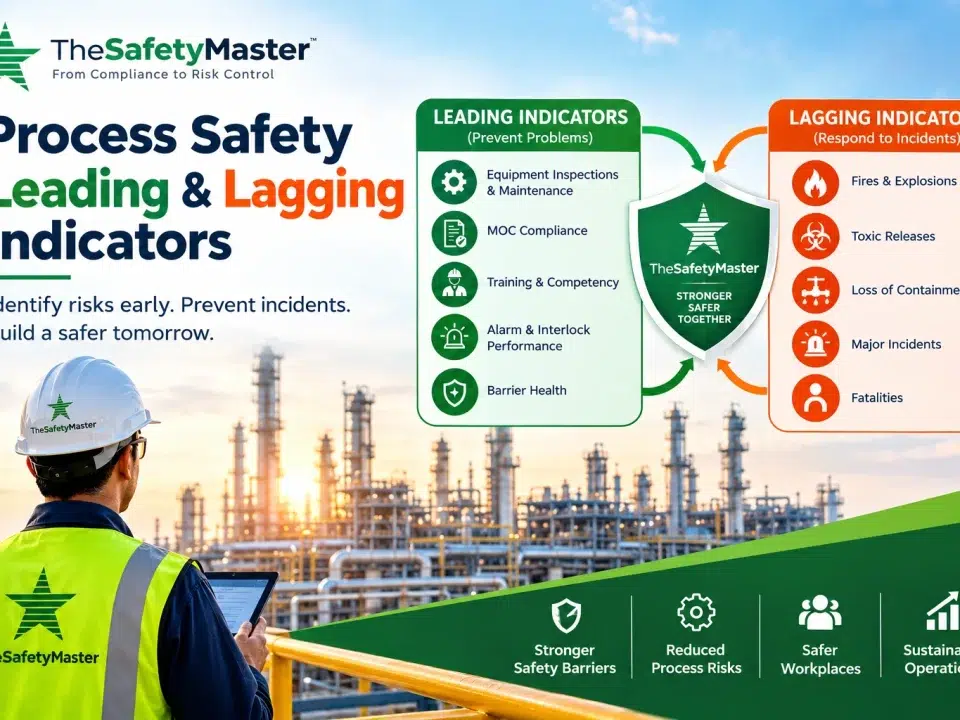
Process Safety Management (PSM) remains one of the cornerstones of industrial safety, but its scope has expanded considerably. Modern PSM programs go beyond documenting hazards and control measures; they now incorporate live data feeds, automated alerts, and dynamic risk scoring that adjusts as operating conditions change throughout a shift.
The Role of Training in Strengthening PSM
Technology alone cannot guarantee safety. Workers need to understand how to interpret alerts, respond to anomalies, and operate new digital tools correctly. Training programs have evolved to include simulation-based learning, where employees practice responding to hazardous scenarios in a controlled, risk-free environment before facing them on the job.
Building Competency Through Simulation
Simulation training has proven especially effective for high-risk industries such as chemical processing and manufacturing, where the cost of a mistake can be severe. By rehearsing emergency scenarios virtually, workers build muscle memory and confidence that translates directly into safer real-world decision-making.
Fire Safety Protocols for a Technology-Driven Workplace
New Ignition Risks From Modern Equipment
As facilities add more electrical and electronic systems, the sources of potential fire ignition multiply. Battery storage systems, high-density wiring, and automated machinery all introduce risks that traditional fire safety plans may not have originally accounted for.
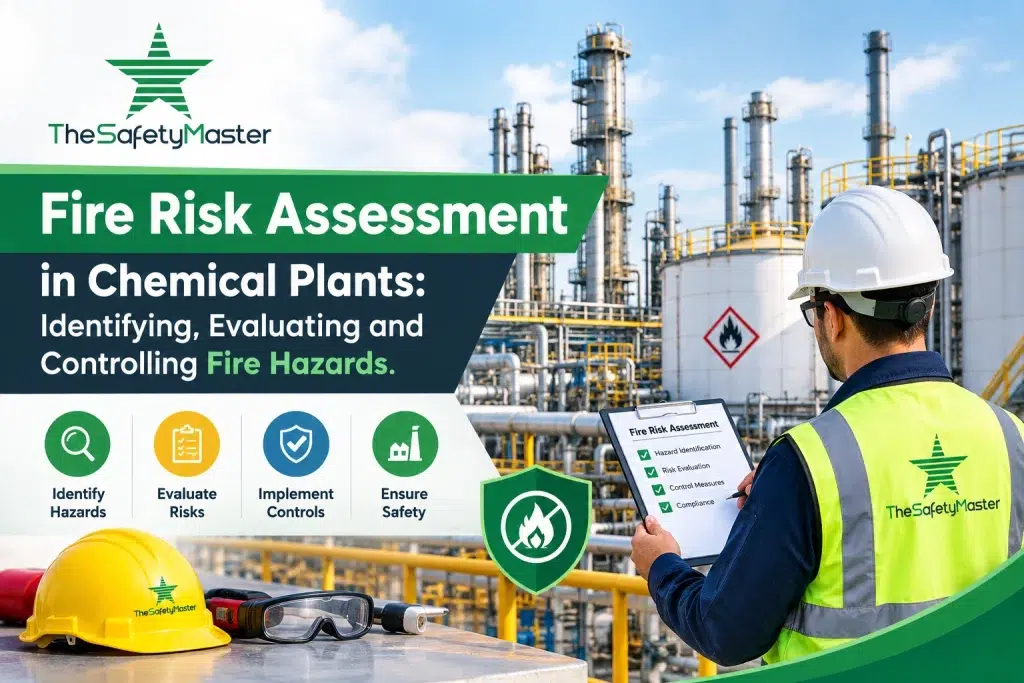
Fire Risk Assessments and Fire Audits
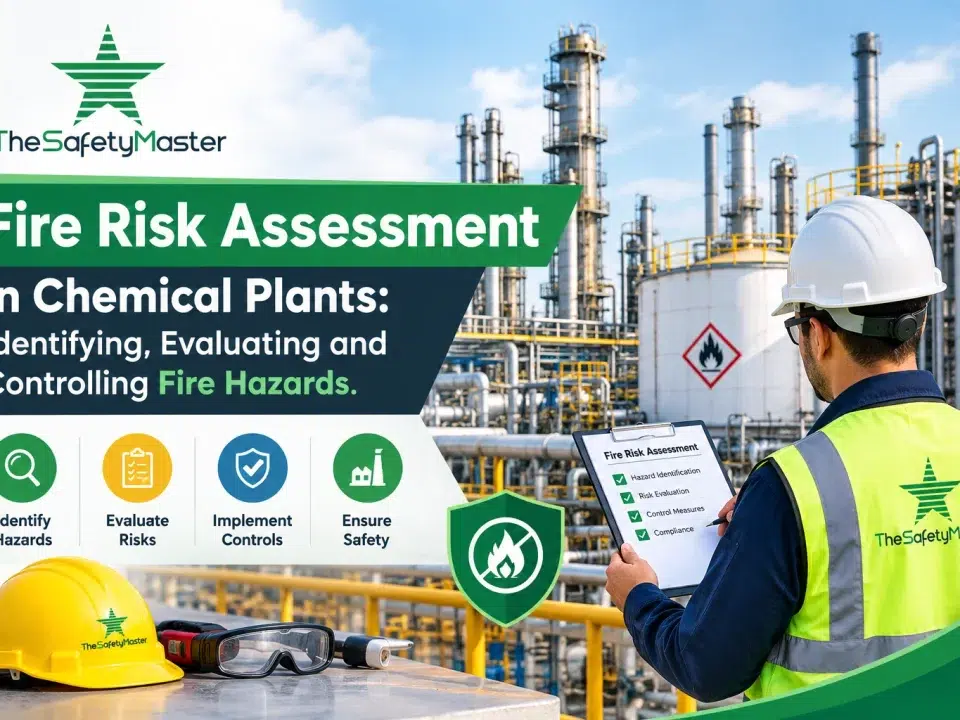
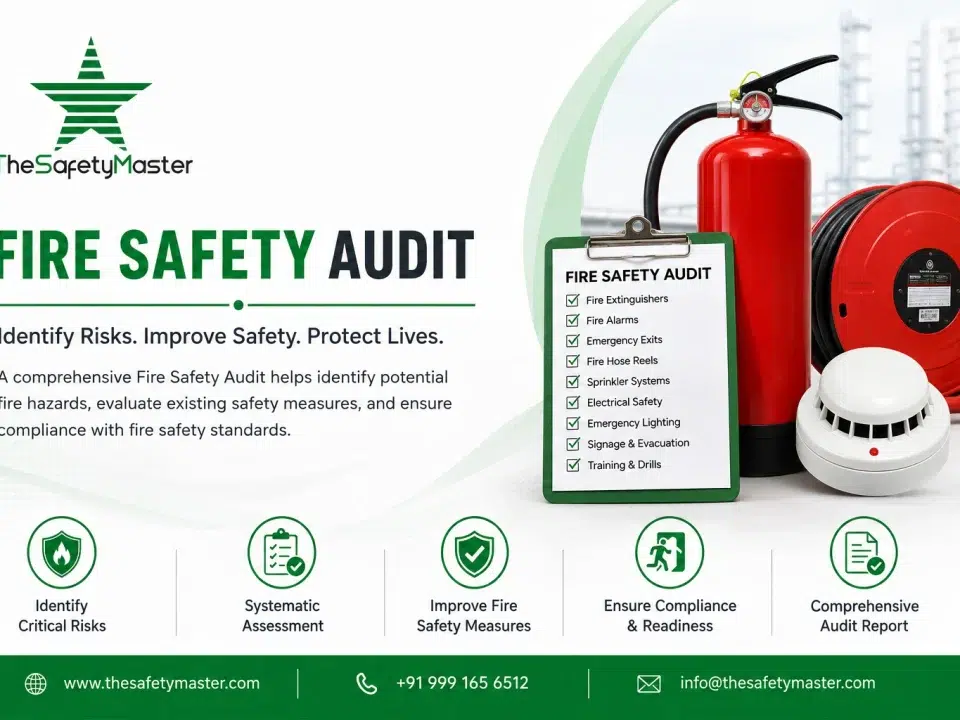
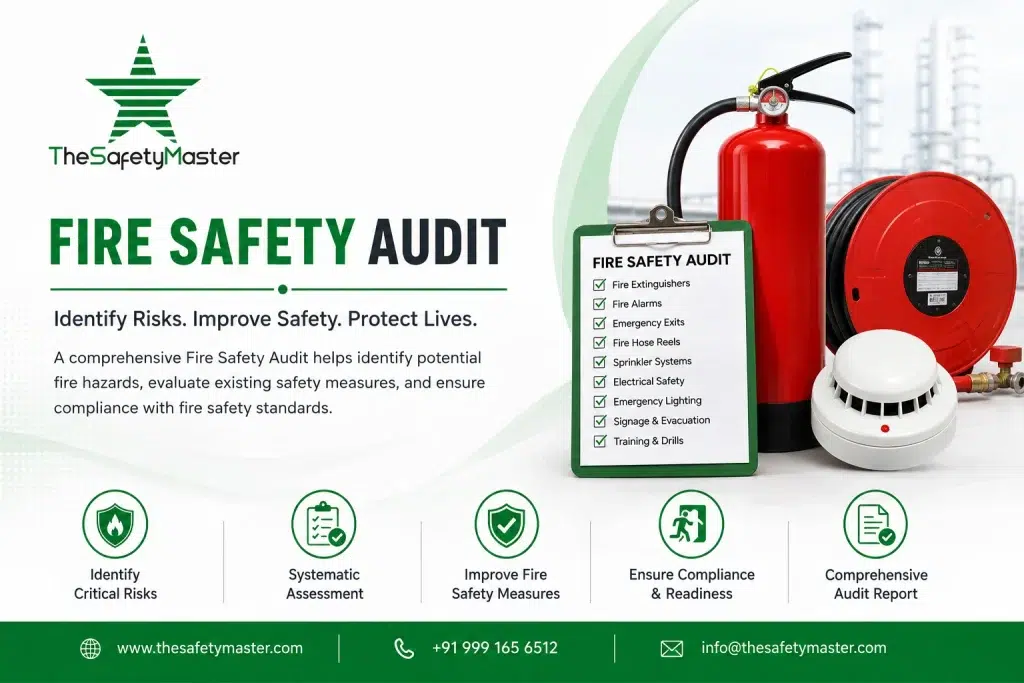
Comprehensive fire risk assessments have become essential for identifying these emerging hazards. A well-structured fire audit examines not just fire extinguishers and exit routes, but also electrical load distribution, storage of flammable materials, and the placement of detection systems throughout a facility.
Smart Fire Detection Systems
Smart detection technology, built on IoT sensors, can identify smoke or heat signatures far faster than conventional systems. These setups often connect to a centralized monitoring dashboard, allowing safety teams to respond within seconds rather than minutes, which can make a critical difference in containing an incident before it spreads.
Creating a Culture of Continuous Improvement
Safety as a Shared Responsibility
Resilient safety protocols cannot be maintained through policy documents alone. They require a workplace culture where every employee, from leadership to frontline staff, treats safety as an ongoing responsibility rather than a periodic obligation. Encouraging workers to report near-misses and unsafe conditions without fear of blame is one of the most effective ways to strengthen this culture.
Regular Review and Adaptation of Protocols
Safety protocols should be treated as living documents. Regular audits, updated risk assessments, and periodic retraining ensure that systems keep pace with new equipment, new regulations, and lessons learned from past incidents. Organizations that build this review cycle into their operations tend to recover faster from disruptions and experience fewer repeat incidents.
Emergency Preparedness and Business Continuity
Resilience is not only about preventing incidents; it is also about how quickly an organization can recover when something does go wrong. Strong emergency response plans, combined with business continuity strategies, allow companies to limit downtime, protect their workforce, and maintain stakeholder confidence during a crisis.
Frequently Asked Questions
Why do industrial safety protocols need to be updated regularly?
Industrial environments change constantly as new equipment, processes, and regulations are introduced. Protocols that are not reviewed and updated regularly can leave gaps that put workers and operations at risk.
How does technology improve workplace safety?
Technologies like IoT sensors, predictive analytics, and AI-based monitoring allow safety teams to detect hazards early, respond faster, and make data-driven decisions instead of relying solely on manual inspections.
What is included in a fire risk assessment?
A fire risk assessment typically evaluates ignition sources, fuel loads, detection and suppression systems, evacuation routes, and the overall readiness of a facility to prevent and respond to fire incidents.
How often should Process Safety Management programs be reviewed?
Most industries benefit from reviewing PSM programs at least annually, or immediately after any significant change in equipment, process, or regulatory requirements.
What role does employee training play in safety resilience?
Training ensures workers can correctly interpret safety data, respond appropriately to alerts, and follow updated procedures, making them an active part of the safety system rather than passive observers.
Final Thoughts
Building resilient safety protocols is an ongoing process that combines technology, training, and culture. Organizations that invest in predictive tools, modern fire safety practices, and continuous PSM improvement are far better positioned to protect their people and operations in an unpredictable industrial landscape. This is precisely the philosophy that guides The Safety Master in helping businesses across industries transform their safety frameworks into systems built for long-term resilience.n an ever-changing industrial landscape.