Effective Strategies for Behavior Based Safety Training

Learn the Benefits of Hazop Training
May 12, 2023
The Importance of Defensive Driver Training: Protecting Yourself and Others on the Road
May 14, 2023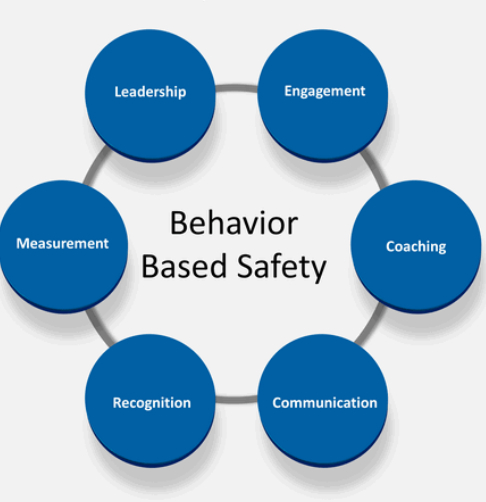
The safety of employees is a top priority in any organization. Workplace accidents not only lead to injuries, but they also cause downtime and decreased productivity. This is where behavior-based safety training comes in as an effective strategy to reduce workplace accidents and improve overall safety.
Behavior-based safety training is designed to help individuals identify unsafe behaviors and replace them with safe ones. The goal is to create a culture of safety where safe behavior becomes second nature, reducing the risk of accidents and improving the well-being of employees. In this article, we will discuss the critical components of effective behavior-based safety training and provide strategies for delivering impactful training that motivates employees to participate while measuring its effectiveness.
Understanding the Importance of Behavior Based Safety Training
Behavior Based Safety Training (BBST) is an approach to safety management that addresses employee behavior as the primary cause of accidents and injuries. Rather than focusing solely on implementing physical safety measures, BBST aims to change employee behavior through training and reinforcement. By addressing the root cause of accidents, BBST helps organizations create a culture of safety.
BBST helps reduce workplace injuries and illnesses by identifying at-risk behaviors and providing training to address those behaviors. Employees learn how to recognize hazards and unsafe practices, as well as ways to avoid or mitigate them. This approach helps create a safer work environment, increases productivity, reduces absenteeism and turnover rates, improves employee morale, and ultimately leads to higher profits for the organization.
Identifying Critical Components of Behavior Based Safety Training
Behavior Based Safety training is a systematic approach to identifying and addressing safety issues in the workplace. To create an effective program, it’s important to identify the critical components of behavior-based safety training.
The first critical component is management commitment. Organizations that prioritize safety and have high levels of management commitment tend to have better safety records than those that don’t. Management should set the tone for safety and be actively involved in promoting a safe work environment. This includes communicating safety expectations, providing resources for training and equipment, and leading by example.
The second critical component is employee involvement. Employees are on the front lines of workplace safety, so involving them in the development and implementation of behavior-based safety programs can be key to their success. Employees should be encouraged to report unsafe conditions or behaviors, participate in hazard assessments, and provide feedback on the effectiveness of the program.
The third critical component is hazard identification and analysis. Conducting regular assessments to identify potential hazards can help prevent accidents from occurring. Organizations should use a variety of methods such as inspections, audits, job hazard analyses (JHAs), or near-miss reporting systems to identify potential hazards before they cause harm.
The fourth critical component is data collection and analysis. Collecting data allows organizations to track progress towards goals, monitor trends over time, and identify areas for improvement. Data could include injury rates, near-miss reports, or observations from safety audits or inspections.
By identifying these four critical components- management commitment, employee involvement,hazard identification & analysis,and data collection & analysis- organizations can develop effective behavior-based safety programs that promote a safer
Assessing Your Organization’s Readiness for Behavior Based Safety Training
Before implementing a behavior based safety training program, it is important to assess your organization’s readiness. This involves evaluating various factors such as the existing safety culture, management commitment to safety, employee attitudes towards safety, and the availability of resources.
A strong safety culture is essential for the success of any behavior based safety training program. A culture that values safety will have employees who are more likely to embrace new initiatives and make changes in their behavior. Additionally, management commitment to safety is crucial because it sets the tone for the entire organization. If management does not prioritize safety, it will be difficult to get employees on board.
Another important factor to consider is employee attitudes towards safety. Conducting surveys or focus groups can help you understand how employees perceive current safety practices and what they think needs improvement. Finally, assessing resource availability will help you determine whether you have enough staff and funding to support a behavior based safety training program.
Overall, by conducting a thorough assessment of your organization’s readiness for behavior based safety training, you can identify potential challenges and areas for improvement before implementing the program. This will increase the chances of success and lead to a safer work environment.
Leveraging Technology for Behavior Based Safety Training
Technology has revolutionized the way we live and work, and behavior based safety training is no exception. In today’s digital age, there are a variety of tools available to enhance the effectiveness and efficiency of behavior based safety training programs.
One example of technology that can be leveraged for behavior based safety training is virtual reality. By simulating real-life scenarios in a controlled environment, employees can experience potential hazards and learn how to respond in a safe manner. This type of training provides a more immersive experience compared to traditional classroom instruction and can help employees retain information better.
Delivering Behavior Based Safety Training
The delivery of behavior based safety training is a critical component of its success. One method that has proven to be effective is using a blended learning approach that combines classroom instruction with on-the-job training. This approach allows employees to learn and apply what they have learned in real-life scenarios, resulting in better retention and application of the knowledge.
Another effective method is using interactive training techniques, such as role-playing exercises and group activities. These techniques encourage employees to actively participate in the training, which increases engagement and promotes retention of the material. Additionally, utilizing technology-based tools such as online courses and e-learning modules can help make behavior based safety training more accessible and efficient for employees.
Overall, the delivery of behavior based safety training needs to be engaging, interactive, and relevant to the specific needs of each organization. By implementing effective delivery strategies, organizations can ensure that their employees are properly trained on safe behaviors, reducing incidents and creating a safer work environment.
Motivating Employees to Participate in Behavior Based Safety Training
One of the biggest challenges in implementing a behavior-based safety training program is getting employees to actively participate. In most organizations, safety is seen as a priority, but it can be difficult to get employees to consistently adhere to safety protocols and seek out opportunities for improvement.
To motivate employees, it is important first to recognize that different people are driven by different things. Some employees may be motivated by recognition or rewards, while others may be motivated by a sense of pride in their work or personal responsibility for safety. When designing your behavior-based safety training program, it’s essential to take these different motivations into account and tailor your approach accordingly.
One effective strategy for motivating employees is providing regular positive feedback and recognition for safe behaviors. This can come in the form of public acknowledgement during team meetings or through individual performance evaluations. Additionally, encouraging employee involvement in problem-solving and decision-making related to safety can help foster a sense of ownership over the process and increase engagement.
Another way to encourage participation is through gamification techniques such as setting up friendly competitions with rewards or using technology like mobile apps that track personal progress towards safety goals. By creating a fun and interactive environment around safety training, employees are more likely to stay engaged and feel invested in the process.
In conclusion, motivating employee participation in behavior-based safety training requires taking into account individual motivations and tailoring the approach accordingly. Providing regular positive feedback and recognition, encouraging employee involvement in decision-making related to safety, and utilizing gamification techniques can all help foster engagement with the process.
Measuring the Effectiveness of Behavior Based Safety Training
Measuring the effectiveness of any training program is crucial to determine its impact on the organization. The same holds for behavior-based safety training (BBST) programs. In evaluating the effectiveness of BBST, there are various ways to approach it, depending on the objectives and goals of your program.
One way is to conduct pre-training and post-training assessments or evaluations to determine if there has been an improvement in employees’ knowledge and understanding of BBST concepts. This can be done through surveys or assessments covering behavioral observations, hazard identification, risk assessment, communication skills, and overall safety awareness.
In addition to pre-and post-training evaluations, you can also measure the effectiveness of your BBST by tracking leading indicators such as near-miss incidents and safety compliance metrics. These indicators can help you pinpoint areas where further training might be necessary or identify trends that may indicate a need for corrective action.
Finally, it’s essential to track lagging indicators such as injury rates, lost time incidents or workers’ compensation claims to determine if your BBST program has had a tangible impact on reducing accidents and injuries in your organization.
Continuously Improving Behavior Based Safety Training
Creating an effective behavior-based safety training program is just the beginning. The key to ensuring success is to continuously improve it. Regular evaluations can help you identify areas that need improvement and enable you to update your program accordingly. This can help ensure that your safety training efforts stay relevant and effective.
One way you can improve your behavior-based safety training program is by providing ongoing support and resources for employees. This includes offering regular feedback, encouraging open communication, and providing access to additional training materials as needed. You can also use data analysis tools to identify patterns or trends in employee behavior over time, which can help you refine your approach and tailor your training programs to better meet their needs.