10 Essential Electrical Safety Training Topics for a Safer Workplace

Why Understanding Layers of Protection Analysis is Crucial for Risk Management
June 6, 2023
The Role of Leadership in Driving Safety Culture Transformation
June 6, 2023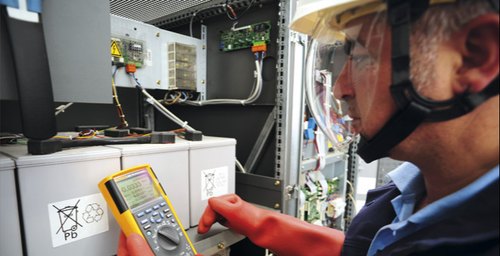
Electrical safety is a critical part of maintaining a safe workplace wherever electrical equipment, machinery, wiring, or energized systems are present. Electrical incidents can result in electric shock, burns, arc flash injuries, fires, equipment damage, and, in severe cases, fatalities. The Safety Master can help organizations strengthen their electrical safety practices and promote a safer working environment. For this reason, organizations should provide employees with appropriate electrical safety training and ensure that safe work practices are followed consistently.
Effective training helps employees recognize electrical hazards, understand the risks associated with electrical equipment, and respond appropriately during emergencies. It also supports organizations in developing a stronger safety culture and improving their overall electrical safety performance.
This article explores 10 essential electrical safety training topics that organizations should consider for their workforce, followed by an overview of Safety Master’s expertise in electrical safety consulting and training in India.
1. Electrical Hazards Awareness
The first step toward improving electrical safety is helping employees understand common electrical hazards. Training should introduce workers to risks such as electric shock, arc flash, arc blast, exposed conductors, damaged wiring, overloaded circuits, and unsafe electrical equipment.
Employees should learn how to identify hazards before starting work and understand the potential consequences of ignoring them. Awareness training can encourage workers to report unsafe conditions and follow established safety procedures.
Understanding electrical hazards also helps employees recognize situations where they should stop work and seek assistance from a qualified person rather than attempting to handle an electrical problem themselves.
2. Electrical Equipment Operation
Employees who use electrical equipment should understand how to operate it safely. Training should cover the correct use of equipment, safety features, inspection requirements, and safe methods for connecting and disconnecting electrical systems.
Workers should also understand the importance of maintaining equipment in good condition. Damaged cables, defective plugs, exposed wires, or malfunctioning safety features should not be ignored.
Where applicable, training should also introduce employees to lockout/tagout procedures and explain why equipment must be isolated before maintenance or servicing activities are performed.
3. Electrical Codes and Standards
Knowledge of applicable electrical codes and standards is another important training area. Employees and safety personnel should understand the requirements relevant to their industry and workplace activities.
Training may cover subjects such as grounding requirements, electrical installation practices, safe equipment use, workplace procedures, and regulatory compliance.
Understanding applicable standards can help organizations identify gaps in their existing practices and develop safer working procedures. It also supports a structured approach to electrical risk management.
Because electrical requirements can vary according to the nature of the workplace and applicable regulations, organizations should ensure that training content is appropriate for their specific operations.
4. Safe Work Practices
Safe work practices are essential whenever employees work with or near electrical equipment. Training should explain how workers can reduce exposure to electrical hazards through appropriate procedures and controls.
Important areas may include maintaining safe distances, using suitable tools, following established procedures, identifying energized equipment, and wearing appropriate personal protective equipment (PPE).
Employees should also understand that shortcuts can increase risk. Even routine electrical tasks should be performed according to established safety procedures.
Creating consistent safe work practices can reduce unsafe behaviors and encourage employees to think about electrical risks before beginning a task.
5. Electrical Emergencies and First Aid
Employees should know how to respond when an electrical emergency occurs. Electrical safety training should prepare workers to respond quickly while avoiding additional exposure to danger.
Training can include appropriate emergency response procedures, evacuation requirements, electric shock response, and basic first-aid awareness. CPR training may also be included where appropriate to the organization’s emergency preparedness program.
Employees should understand that approaching a person who is still in contact with an energized electrical source can create additional danger. Emergency procedures should therefore emphasize securing the situation and obtaining appropriate assistance.
Regular emergency training and drills can help workers respond more confidently when an incident occurs.
6. Electrical Safety Inspections
Routine inspections can help organizations identify electrical hazards before they result in accidents. Employees responsible for inspections should know what warning signs to look for.
These may include:
- Frayed or damaged wires
- Broken plugs or outlets
- Exposed conductors
- Overloaded circuits
- Damaged electrical equipment
- Improper connections
- Missing protective devices
Inspection training should also explain how findings should be documented and reported. Identifying a hazard is only the first step; organizations should ensure that identified problems are addressed through appropriate corrective actions.
Regular inspections can contribute to a proactive approach to electrical safety and help prevent minor defects from becoming serious hazards.
7. Electrical Fire Safety
Electrical equipment can contribute to workplace fire risks when systems are damaged, overloaded, poorly maintained, or improperly used. Employees should therefore receive training on electrical fire prevention and emergency procedures.
Training can cover the recognition of potential electrical fire hazards, appropriate reporting procedures, evacuation requirements, and the correct use of suitable fire extinguishing equipment where employees are trained and authorized to use it.
Employees should also understand that electrical fires require appropriate response procedures and that using an unsuitable extinguishing method can increase danger.
Fire safety training should be integrated into the organization’s wider emergency preparedness program.
8. Electrical Personal Protective Equipment
Personal protective equipment can provide an important layer of protection when employees are exposed to electrical hazards. Training should explain why PPE is necessary and how to select, use, inspect, clean, store, and maintain it properly.
Depending on the work activity and risk assessment, electrical PPE may include insulated gloves, safety glasses, protective footwear, and flame-resistant clothing.
Employees should understand that PPE is not a substitute for eliminating hazards or implementing engineering and administrative controls. Instead, it should form part of a broader safety strategy.
Workers should also be trained to inspect PPE before use and report damaged or unsuitable equipment.
9. Electrical Safety Program Management
Organizations should establish a structured electrical safety program that reflects their workplace risks and operational requirements. Training on program management can help managers and safety professionals understand their responsibilities.
An effective program may include:
- Electrical safety policies
- Hazard identification and risk assessment
- Safe operating procedures
- Employee training
- Equipment inspections
- Emergency response procedures
- Corrective action processes
- Periodic program reviews
Management commitment is particularly important because electrical safety cannot depend only on individual employees. Organizations need appropriate resources, procedures, supervision, and accountability to maintain effective safety practices.
Regularly reviewing the electrical safety program can also help identify areas where improvements are required.
10. Lockout/Tagout Procedures
Lockout/tagout is an important safety practice for controlling hazardous energy during maintenance, repair, or servicing activities. Employees who may be involved in such work should understand the purpose of the procedure and the importance of following it correctly.
Training should explain the basic steps involved in isolating equipment, controlling energy sources, applying locks and tags where required, verifying isolation, and restoring equipment safely.
Employees should understand that electrical equipment should not be assumed to be safe simply because a switch has been turned off. Appropriate procedures should be followed to control hazardous energy before work begins.
Consistent lockout/tagout practices can help reduce the risk of unexpected energization and protect workers performing maintenance activities.
Why Electrical Safety Training Matters
Electrical safety training provides employees with the knowledge needed to recognize hazards and follow appropriate procedures. However, training should not be treated as a one-time activity.
Organizations should consider refresher training, periodic inspections, safety audits, practical demonstrations, and updates when workplace conditions or procedures change.
Training is most effective when employees can connect theoretical knowledge with real workplace situations. Practical examples can help workers understand how electrical hazards may appear during everyday activities and what actions should be taken.
A strong safety culture also encourages employees to report hazards without hesitation and take responsibility for following established procedures.
Safety Master’s Expertise in Electrical Safety Consulting in India
Safety Master provides electrical safety training and consulting services designed to support organizations in managing electrical hazards. The provided source describes Safety Master as a consulting firm specializing in electrical safety services and working with various industries across India.
Its approach focuses on developing electrical safety programs according to the specific requirements of individual clients. The organization also emphasizes knowledge of electrical safety regulations and standards to help clients improve compliance and protection against electrical hazards.
Safety Master’s training programs combine theoretical knowledge with practical demonstrations. According to the provided material, its trainers bring industry experience to training sessions, helping participants connect safety concepts with real-world workplace situations.
The company’s approach also extends beyond basic compliance. It emphasizes developing a safety culture where employees understand their responsibilities and become more aware of electrical hazards and preventive measures.
Electrical Safety Audits and Inspections
In addition to training and consulting, Safety Master provides electrical safety audits and inspections. These assessments involve reviewing electrical systems and equipment to identify areas that may require improvement.
Electrical safety audits can provide organizations with valuable information about existing conditions, potential hazards, and opportunities to strengthen their safety controls.
A professional assessment can also complement employee training. While training focuses on knowledge and behavior, audits and inspections help organizations evaluate the physical condition of electrical systems and the effectiveness of existing safety practices.
Combining training, inspections, audits, risk assessment, and continuous improvement can provide a more comprehensive approach to electrical safety management.
Conclusion
Electrical safety training is an essential component of workplace safety for organizations that use electrical equipment and systems. From electrical hazard awareness and safe work practices to PPE, emergency response, inspections, and lockout/tagout, employees need practical knowledge that helps them recognize and control electrical risks.
Organizations should also establish comprehensive electrical safety programs supported by regular training, inspections, audits, and management involvement.
Safety Master brings together electrical safety training, consulting, audits, and inspections to help organizations address electrical safety challenges. Its Electrical Safety Audit services can help identify potential hazards, assess existing controls, and support businesses in strengthening their approach to electrical risk management. Its focus on practical training and safety culture can further promote safer workplace practices.
By investing in effective electrical safety training and professional guidance, organizations can create a safer working environment while encouraging employees to make responsible safety decisions every day.