Ensuring Workplace Safety: A Comprehensive Electrical Safety Audit Guide by The Safety Master Private Limited
Accident Prevention: 10 Ways to Keep Your Workers Safe
July 18, 2023
Project Health, Safety and Environment Review Reports: Expert Insights on Mitigating Risks
July 19, 2023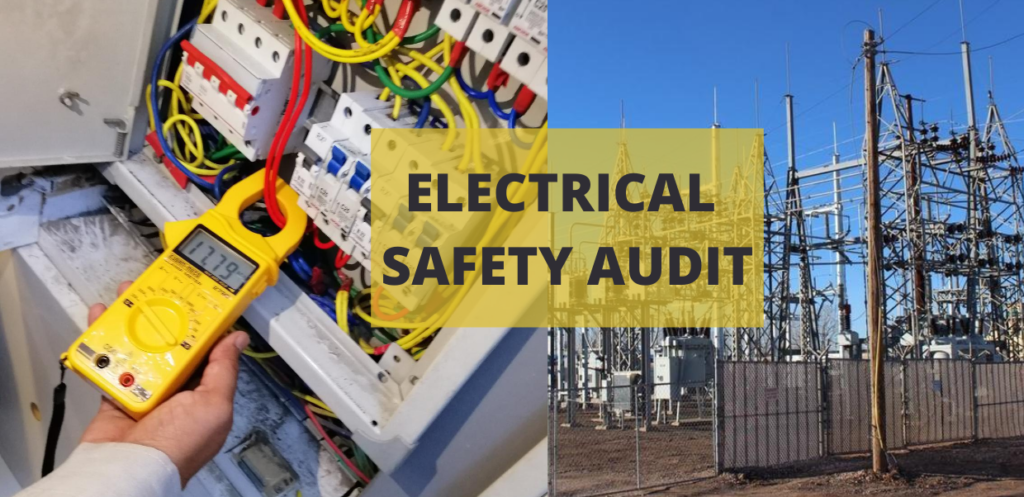
Introduction to Electrical Safety Audits
Workplace safety cannot be considered complete without addressing one of its most overlooked risk areas — electrical systems. Faulty wiring, poor grounding, and outdated equipment silently sit in nearly every facility, waiting for the right conditions to trigger a fire, shock, or equipment failure. This is precisely why an electrical safety audit is no longer optional for organizations serious about protecting their people and assets.
TheSafetyMaster Private Limited, a trusted name in industrial risk and safety consulting, has built this comprehensive guide to walk employers, facility managers, and safety officers through every stage of an electrical safety audit — from planning to corrective action. Electrical incidents rarely happen without warning signs, and a structured, expert-led audit process helps organizations catch these signs early, well before they escalate into accidents, downtime, or regulatory penalties.
Importance of Electrical Safety Audits
An electrical safety audit is a proactive safeguard, not a reactive fix. It systematically evaluates electrical systems and equipment to identify hazards before they cause harm. Regular audits deliver early identification of hidden electrical hazards, reduced risk of fire, shock, and equipment failure, improved compliance with statutory and industry regulations, stronger employee confidence and morale, and fewer unplanned disruptions to operations.
When employees see that an organization invests in regular electrical safety audits, it reinforces a message: their well-being matters. TSM TheSafetyMaster Private Limited emphasizes that this cultural impact is just as valuable as the technical findings of the audit itself.
Planning and Preparation for an Electrical Safety Audit
A successful audit begins long before anyone picks up a testing device. Organizations should engage professionals — such as the certified auditors at TSM TheSafetyMaster Private Limited — who are well-versed in electrical codes, safety regulations, and industry best practices. Clear objectives, defined scope, and a realistic timeline ensure the audit stays focused and actionable.
Before the audit begins, teams should collect electrical blueprints and layout drawings, maintenance and service records, incident and near-miss reports, and previous audit findings. Audits should also be scheduled to minimize operational disruption, with employees informed in advance to encourage cooperation and transparency.
Assessing Electrical Hazards and Risks
This is the technical core of any electrical safety audit. TSM TheSafetyMaster Private Limited’s auditors examine wiring, connections, and installations for wear, malfunction, or inadequate insulation using both visual inspection and advanced diagnostic tools. Auditors also assess environmental conditions — moisture, extreme heat, and corrosive exposure — that can silently degrade electrical systems over time.
Identifying Compliance with Electrical Safety Standards
Core compliance checkpoints include proper grounding of all systems, correctly rated circuit breakers, no exposed live wires, and compliant switchboards, junction boxes, and enclosures. Meeting these standards isn’t just about avoiding penalties — it directly reduces the likelihood of electrical accidents and demonstrates organizational accountability.
Evaluating Electrical Equipment and Installation Safety
TSM TheSafetyMaster Private Limited’s auditors inspect switchgear panels, circuit breakers, transformers, and motors for grounding integrity, insulation condition, and signs of overheating. Functional testing of cables, wires, plugs, and sockets ensures every connection point is safe for continued use. Beyond visual checks, diagnostic instruments allow auditors to detect issues invisible to the naked eye — helping prevent failures before they occur.
Inspecting Electrical Wiring Systems and Connections
Wiring is examined for insulation quality, correct grounding, and safe routing throughout the facility. Proper labeling of wiring supports faster, safer maintenance and emergency response. Junction boxes and plug connections are checked to rule out loose or exposed components — common causes of arcing and short circuits.
Testing and Maintaining Electrical Protection Devices
Key devices tested include circuit breakers, Residual Current Devices (RCDs), and surge protectors, with performance checks covering tripping time verification, insulation resistance measurement, and earth fault loop impedance testing. Routine cleaning, tightening connections, lubrication, and timely replacement of worn parts extend equipment lifespan and reliability.
Reviewing Electrical Safety Training Programs
TSM TheSafetyMaster Private Limited assesses whether existing training materials are comprehensive, engaging, and regularly refreshed. Training programs are also reviewed against current industry standards to ensure employees are equipped to identify and respond to electrical hazards.
Documenting and Reporting Audit Findings
A detailed report should capture identified hazards, non-compliance issues, and associated risk levels. This documentation becomes the reference point for corrective action, future audits, and continuous improvement.
Implementing Corrective Measures
Issues are ranked by severity and urgency, allowing teams to address the most critical hazards first. Clear ownership of each corrective action ensures accountability and timely resolution. TSM TheSafetyMaster Private Limited recommends regular follow-up inspections to catch recurring or emerging issues early.
Conclusion
A thorough electrical safety audit is one of the most effective investments an organization can make in protecting its workforce and infrastructure. With the guidance of The Safety Master Private Limited, businesses can identify hazards, achieve compliance, and build a lasting culture of safety — one where employees feel valued and protected.
FAQs
Q2. How often should an electrical safety audit be conducted?
Most organizations benefit from annual audits, though facilities with older infrastructure or higher electrical loads may require more frequent assessments.
Q1. What is an electrical safety audit?
An electrical safety audit is a systematic inspection of a workplace’s electrical systems, equipment, and wiring to identify hazards, ensure regulatory compliance, and prevent accidents.
Q3. Who should conduct an electrical safety audit?
Audits should be carried out by qualified safety professionals, such as the certified auditors at TSM TheSafetyMaster Private Limited, who understand electrical codes and industry best practices.
Q4. What are the common hazards identified during an electrical safety audit?
Common hazards include exposed wiring, inadequate insulation, faulty grounding, overloaded circuits, and malfunctioning protection devices like circuit breakers and RCDs.
Q5. What happens after an electrical safety audit is completed?
Auditors prepare a detailed report of findings, after which organizations implement corrective measures, prioritize risks, and schedule follow-up inspections.
Q6. How does TSM TheSafetyMaster Private Limited help with electrical safety audits?
TSM TheSafetyMaster Private Limited provides end-to-end support — from planning and hazard assessment to compliance checks, corrective action plans, and employee training.