Fire Risk Assessment Prioritisation Tool (FRAPT) and The Safety Master: Leading Fire Safety Consultants

Best Practices for Ensuring Comprehensive Health and Safety Assessments for Project Sites
June 12, 2023
Navigating the PSSR Process: A Detailed Guide to Pre-startup Safety Review
June 13, 2023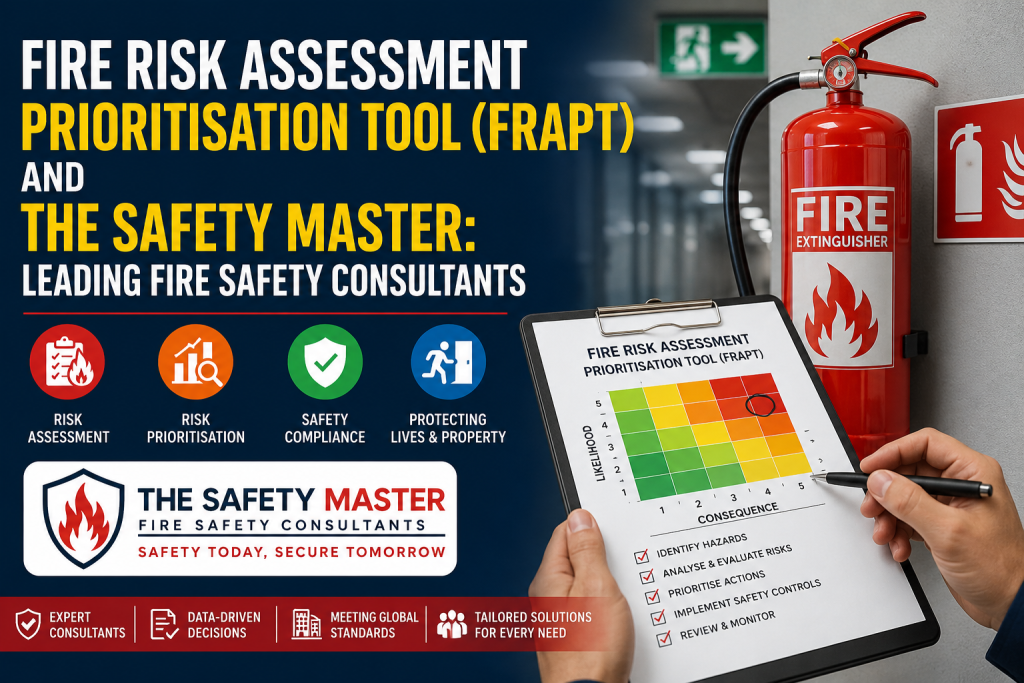
Fire Risk Assessment Prioritisation Tool (FRAPT) and The Safety Master: Leading Fire Safety Consultants
Fire safety is a fundamental responsibility for every commercial, industrial, residential, and public establishment. A fire can cause significant loss of life, property, equipment, documents, and business operations within a very short period. For this reason, organizations must take a proactive approach to identifying fire hazards, assessing risks, maintaining fire protection systems, and preparing employees for emergencies.
Regular fire audits, fire safety audits, and comprehensive fire risk assessments help organizations understand their current level of preparedness and identify areas that require improvement. The Safety Master provides valuable support in strengthening fire safety practices, while modern tools such as the Fire Risk Assessment Prioritisation Tool (FRAPT) can further help professionals evaluate and prioritize risks systematically.
Alongside these tools, experienced fire safety consultants play an important role in translating assessment findings into practical safety improvements. The Safety Master provides professional fire safety consulting and assessment services designed to help organizations create safer and more compliant environments.
Understanding Fire Audits
A fire audit is a structured examination of the fire safety arrangements within a building or facility. Its primary purpose is to identify deficiencies, unsafe practices, equipment-related issues, and areas where existing fire protection measures may not provide adequate protection.
A comprehensive fire audit can cover several aspects of a facility, including:
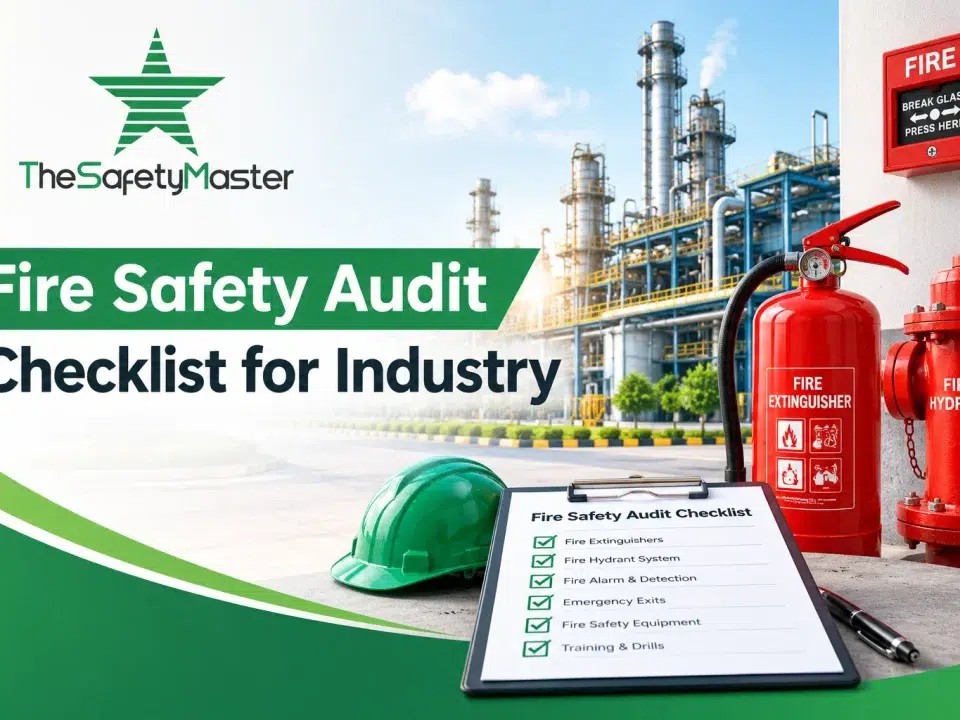
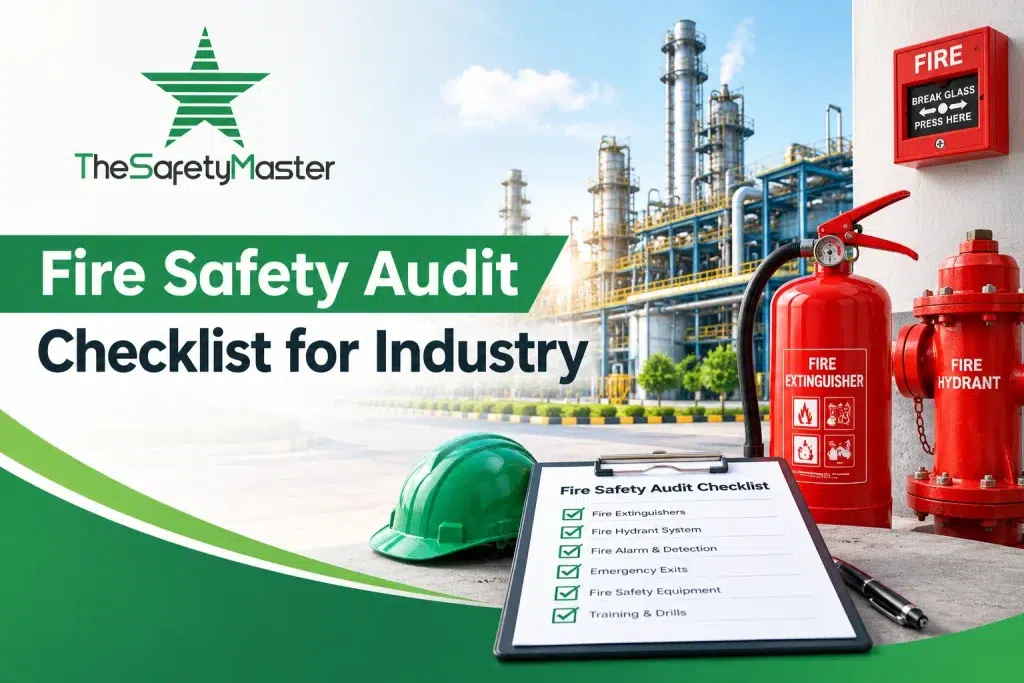
- Fire detection and alarm systems
- Fire extinguishers and firefighting equipment
- Fire hydrant and sprinkler systems
- Emergency exits and escape routes
- Emergency lighting and signage
- Electrical safety arrangements
- Fire doors and compartmentation
- Storage of combustible materials
- Evacuation procedures
- Employee fire safety training
- Inspection and maintenance records
The findings of a fire audit provide organizations with valuable information about their existing safety arrangements. Instead of waiting for an emergency to reveal weaknesses, management can use audit recommendations to address potential problems before they result in an incident.
What Is a Fire Safety Audit?
A fire safety audit is a more comprehensive review of how effectively fire safety is managed within an organization. While the physical condition of fire protection systems is important, effective fire safety also depends on management procedures, employee awareness, emergency planning, documentation, and regular maintenance.
During a fire safety audit, professionals may review whether fire safety responsibilities have been clearly assigned, whether employees receive appropriate training, and whether firefighting equipment is regularly inspected and maintained.
A detailed fire audit can therefore help organizations evaluate both their physical fire protection arrangements and their overall fire safety management system.
Importance of Fire Risk Assessment
Fire risk assessment is a systematic process used to identify potential sources of ignition, combustible materials, vulnerable occupants, and other factors that could contribute to a fire or increase its consequences.
The process generally involves identifying hazards, determining who may be at risk, evaluating the likelihood and potential consequences of a fire, and deciding what preventive and protective measures are necessary.
Common fire hazards may include overloaded electrical circuits, poorly maintained equipment, combustible storage, hot work activities, open flames, smoking materials, flammable liquids, and inadequate housekeeping.
A proper Fire Risk Assessment helps organizations move from a reactive approach to a preventive one. Rather than responding only after an incident occurs, management can identify risks in advance and introduce suitable controls.
What Is the Fire Risk Assessment Prioritisation Tool (FRAPT)?
The Fire Risk Assessment Prioritisation Tool, commonly referred to as FRAPT, is designed to support the systematic assessment and prioritization of fire risks. Fire risk assessments can identify numerous hazards, but not every risk has the same level of urgency or potential consequence.
FRAPT helps professionals organize risk information so that significant hazards can receive appropriate attention. By considering factors such as the likelihood of an incident and its potential consequences, risk assessment professionals can establish priorities for corrective action.
The basic concept is important for organizations managing multiple fire safety issues. For example, a facility may identify deficiencies in emergency signage, electrical installations, fire doors, storage practices, and firefighting equipment during an assessment. Addressing every issue simultaneously may not always be practical. A prioritization approach helps management determine which problems require immediate action and which can be addressed through a planned improvement program.
Benefits of Using FRAPT for Fire Safety Management
One of the major advantages of a structured prioritization tool is that it encourages consistent decision-making. Fire safety professionals can use assessment information to determine the relative importance of different risks rather than relying solely on subjective judgment.
FRAPT can support organizations in several ways.
1. Better Risk Prioritization
A facility may have several fire safety deficiencies at the same time. Risk prioritization helps determine which deficiencies represent the greatest concern and should be addressed first.
2. Efficient Resource Allocation
Organizations often have limited budgets, personnel, and time. Prioritizing risks enables available resources to be directed toward areas where safety improvements can have the greatest impact.
3. Improved Decision-Making
A systematic assessment process provides management with structured information for making fire safety decisions. This can make it easier to justify investment in repairs, upgrades, training, and maintenance.
4. Consistent Assessments
Using a structured methodology can help professionals maintain consistency when evaluating different areas, buildings, or facilities.
5. Stronger Preventive Measures
Prioritization encourages organizations to address significant hazards before they develop into emergencies, supporting a more proactive fire safety culture.
Role of Professional Fire Safety Consultants
Although tools can support risk assessment, professional expertise remains essential. Every building has different characteristics, occupants, processes, hazards, and operational requirements. A qualified consultant can interpret assessment findings in the context of the facility and recommend practical solutions.
Fire safety consultants may evaluate the building layout, occupancy, fire load, existing protection systems, emergency procedures, employee capabilities, and maintenance arrangements. They can then develop recommendations based on identified risks.
The Safety Master works in this area by providing professional fire safety consulting and assessment solutions for organizations seeking to strengthen their fire protection arrangements.
The Safety Master: Supporting Comprehensive Fire Safety
The Safety Master provides fire safety expertise focused on identifying hazards, evaluating risks, and improving safety arrangements. Its approach can involve detailed inspections, documentation reviews, assessment of fire protection systems, and recommendations for corrective measures.
As experienced fire safety consultants, The Safety Master understands that effective fire protection involves much more than installing extinguishers or alarms. A complete safety strategy should combine engineering controls, management procedures, employee training, emergency preparedness, inspection, testing, and regular maintenance.
Their fire safety assessment process can help organizations identify weaknesses in areas such as detection systems, firefighting equipment, evacuation routes, emergency response procedures, and staff preparedness.
Combining FRAPT With Professional Expertise
FRAPT can provide a structured way of prioritizing identified risks, while professional consultants provide the experience required to interpret those risks and recommend suitable corrective actions.
For example, an assessment may reveal that a facility has inadequate emergency signage, blocked escape routes, insufficient fire extinguishers, and deficiencies in its fire alarm system. A structured risk prioritization process can help rank these findings according to their potential impact and urgency.
Consultants can then develop an action plan that may include immediate corrective measures, medium-term improvements, and long-term upgrades.
This combination of technology, structured assessment, and professional expertise can make fire safety management more efficient and practical.
Importance of Regular Fire Safety Audits
Fire safety should never be treated as a one-time activity. Buildings change over time, equipment is replaced, occupancy levels may increase, and business processes can introduce new hazards.
Regular fire safety audits help organizations identify these changes and determine whether existing safety measures remain appropriate.
Regular audits can also encourage accountability. When inspection findings, corrective actions, maintenance records, and training activities are properly documented, organizations can track progress and identify recurring problems.
Creating an Effective Fire Safety Strategy
An effective fire safety strategy should include several interconnected elements. Organizations should begin by identifying hazards and evaluating the risks associated with them. Fire protection systems should then be selected, installed, inspected, and maintained according to applicable requirements.
Emergency evacuation plans should be clearly communicated to employees and occupants. Fire drills and training programs can help people understand what to do during an emergency.
Management should also establish responsibilities for inspections, maintenance, emergency response, and corrective actions. Findings from fire audits and risk assessments should be converted into practical action plans rather than remaining only in reports.
Fire Safety Compliance and Preparedness
Compliance is an important part of fire safety management, but organizations should aim beyond simply meeting minimum requirements. Effective fire safety is ultimately about protecting people and reducing the likelihood and consequences of a fire.
Regular assessments can help organizations identify gaps between existing arrangements and expected safety standards. Professional consultants can assist management in understanding these gaps and implementing appropriate improvements.
A well-maintained fire safety system also improves emergency preparedness. Employees who understand evacuation procedures, know the location of emergency exits, and receive appropriate fire safety training are better prepared to respond when an emergency occurs.
Conclusion
Fire risk assessment, fire audits, and fire safety audits are essential components of a comprehensive fire protection strategy. They help organizations identify hazards, evaluate existing safety arrangements, prioritize corrective actions, and improve emergency preparedness.
The Fire Risk Assessment Prioritisation Tool (FRAPT) provides a structured approach for prioritizing identified fire risks and helping professionals determine where attention and resources are most urgently required. When combined with experienced professional guidance, such tools can contribute to a more organized and proactive fire safety management process.
The Safety Master brings professional expertise to fire risk assessment, fire safety audits, and broader fire safety consulting requirements. By combining systematic assessments, professional experience, and practical recommendations, organizations can strengthen their fire safety arrangements and create safer environments for employees, visitors, customers, and property.
Ultimately, effective fire safety is not simply about responding to emergencies. It is about identifying risks before they become incidents, maintaining reliable protection systems, preparing people to respond appropriately, and continuously improving safety practices. With structured risk assessment tools such as FRAPT and the support of experienced fire safety consultants, organizations can take meaningful steps toward stronger fire prevention, preparedness, and protection.
At TSM TheSafetyMaster Private Limited we offer following services
TSM TheSafetyMaster® Private Limited
Unit No 221-451-452, SPL1/J, 2nd & 4th Floor, Sunsquare Plaza Complex, RIICO Chowk, Bhiwadi 301019, Rajasthan, India
Phone: +91 1493 22 0093
Mobile: +91 7665231743/9413882016
Email: info@thesafetymaster.com