How to Perform a Compliant Fire Risk Assessment to Protect Workplace Assets

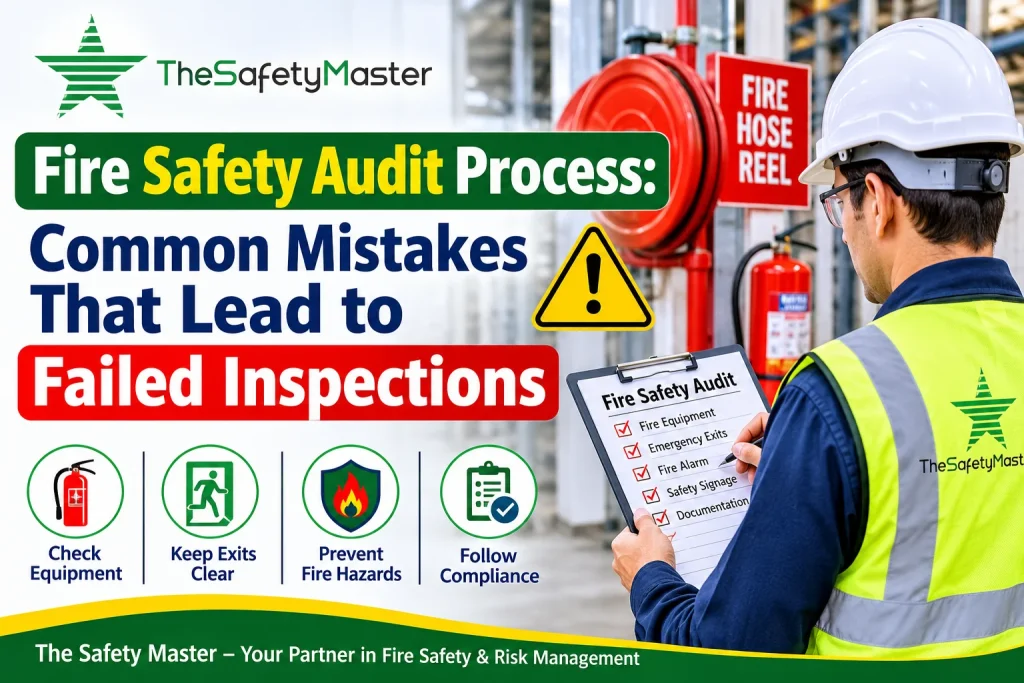
Fire Safety Audit Process: Common Mistakes That Lead to Failed Inspections
November 23, 2026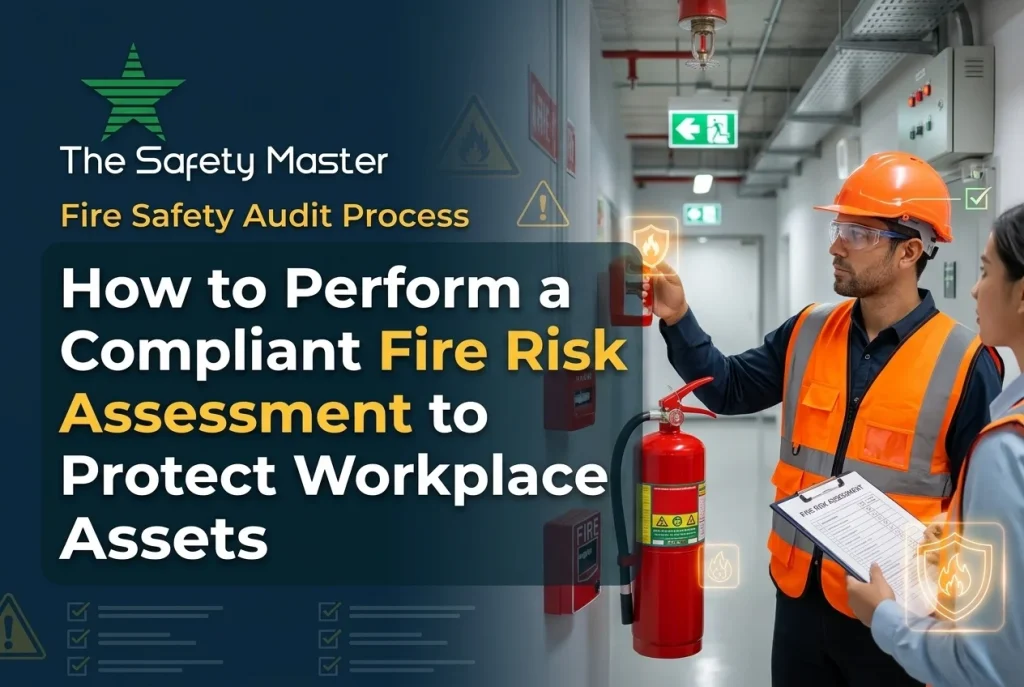
Fire safety is an important part of workplace safety and business continuity. A fire incident can cause serious injuries, loss of life, equipment damage, property destruction and business interruptions. Every workplace, including factories, warehouses, offices, hospitals and commercial buildings, must take proper steps to prevent fire-related incidents. The Safety Master helps organizations understand workplace fire hazards and improve their fire prevention practices through effective safety management.
A Fire Risk Assessment is a systematic process used to identify possible fire hazards, evaluate the level of risk and implement suitable control measures. It helps organizations understand where fires can start, how they can spread and what actions are required to protect employees, visitors, buildings and valuable assets.
What Is a Fire Risk Assessment?
A Fire Risk Assessment is a detailed examination of a workplace to identify fire hazards and evaluate the risks associated with them. It includes checking electrical installations, machinery, combustible materials, storage areas, fire protection systems and emergency arrangements.
The main purpose is to reduce the possibility of fire and minimize its impact if an incident occurs.
Main Objectives of Fire Risk Assessment
- Identify potential fire hazards in the workplace.
- Protect employees, visitors and contractors.
- Prevent damage to buildings, machinery and equipment.
- Check the availability of fire protection systems.
- Improve emergency evacuation arrangements.
- Support compliance with applicable fire safety regulations.
- Reduce business interruption and financial losses.
Why Is Fire Risk Assessment Important for Workplace Safety?
Workplace fires can develop because of electrical faults, overheating equipment, gas leaks, chemical reactions, poor housekeeping and unsafe working practices. Without proper safety arrangements, even a small fire can become a major emergency.
A professional Fire Risk Assessment helps businesses identify these problems before they cause an incident.
1. Protect Employees and Visitors
Employee safety should always be the first priority. Fire hazards can put employees, contractors and visitors at risk. A proper assessment identifies unsafe conditions and checks whether emergency exits, evacuation routes, alarms and firefighting equipment are available.
2. Protect Buildings and Business Assets
Factories and commercial facilities contain valuable machinery, raw materials, finished products, electrical systems and important documents. Fire incidents can destroy these assets and create significant financial losses.
Identifying hazards and implementing preventive measures helps protect important business resources.
3. Improve Legal and Regulatory Compliance
Organizations must follow applicable fire safety laws, building requirements, factory regulations and local fire authority requirements. A proper assessment helps identify compliance gaps and recommends corrective actions.
4. Reduce Business Downtime
A fire incident can stop production, interrupt customer services and affect business operations. Fire prevention and emergency planning help reduce the possibility and impact of unexpected shutdowns.
Step-by-Step Process to Perform a Compliant Fire Risk Assessment
A systematic approach makes fire risk assessment more effective. The following steps help organizations identify hazards, evaluate risks and develop suitable control measures.
Step 1: Identify Potential Fire Hazards
The first step is to identify anything that can start a fire or help it spread. The assessment team should inspect the complete workplace, including production areas, electrical rooms, warehouses, offices, kitchens and chemical storage locations.
Common Workplace Fire Hazards
- Electrical short circuits and damaged wiring.
- Overloaded electrical sockets and distribution boards.
- Flammable liquids, gases and combustible materials.
- Welding, cutting and hot work activities.
- Smoking in restricted areas.
- Poor housekeeping and waste accumulation.
- Overheated machinery and equipment.
- Improper chemical storage.
- Gas leakage and fuel handling operations.
The assessment should also consider temporary activities, maintenance work and unusual operating conditions.
Step 2: Identify People at Risk
After identifying fire hazards, determine who may be affected if a fire occurs. Different employees may face different levels of risk depending on their work activities and locations.
People Who May Be at Risk
- Employees working in production areas.
- Contractors performing maintenance activities.
- Visitors and customers.
- Security and housekeeping personnel.
- Employees working night shifts.
- People with disabilities or mobility limitations.
- Emergency response and firefighting teams.
Special attention should be given to employees working in isolated areas or locations with limited emergency exits.
Step 3: Evaluate Fire Risks
The next step is to evaluate the likelihood of a fire and the possible consequences. Consider the quantity of combustible materials, ignition sources, ventilation, building layout and available fire protection systems.
Important Risk Evaluation Factors
- Probability of fire occurrence.
- Quantity and type of combustible materials.
- Potential fire spread.
- Number of people exposed.
- Availability of fire detection systems.
- Condition of firefighting equipment.
- Emergency evacuation arrangements.
A risk matrix can be used to classify risks as low, medium or high.
Risk Level Meaning Required Action Low Limited fire risk Maintain existing controls Medium Risk requires improvement Implement additional controls High Serious fire risk Take immediate corrective action
Step 4: Check Existing Fire Prevention and Protection Measures
Organizations should examine whether existing fire safety arrangements are suitable and maintained properly.
Important Fire Protection Systems
Fire Detection and Alarm Systems: Check smoke detectors, heat detectors, manual call points and alarm systems.
Fire Extinguishers: Verify that suitable extinguishers are available, accessible, inspected and maintained.
Fire Hydrant Systems: Check hydrants, hose reels, pumps, valves and water availability.
Automatic Sprinkler Systems: Inspect sprinkler heads, control valves, water supply and maintenance records.
Emergency Lighting: Ensure emergency lighting is available along evacuation routes and at important exit locations.
Fire Doors: Check that fire doors are maintained, close properly and are not blocked or improperly modified.
Step 5: Implement Fire Risk Control Measures
Once hazards and existing control gaps are identified, suitable preventive and protective measures must be implemented.
Important Fire Risk Control Measures
- Maintain electrical installations and equipment.
- Avoid overloading electrical circuits.
- Store flammable materials in approved storage areas.
- Follow hot work permit procedures.
- Maintain good housekeeping.
- Install suitable fire detection and alarm systems.
- Provide appropriate firefighting equipment.
- Keep emergency exits clear and accessible.
- Display fire safety instructions and emergency contact numbers.
- Conduct regular employee fire safety training.
Control measures should be selected according to the nature of the workplace and the level of risk.
Step 6: Prepare an Emergency Response and Evacuation Plan
Every workplace should have a clear emergency response plan. Employees must understand what to do when a fire alarm sounds.
Essential Emergency Planning Requirements
- Clearly marked emergency exits.
- Suitable evacuation routes.
- Designated assembly points.
- Emergency contact details.
- Trained fire wardens and emergency response teams.
- Communication arrangements.
- Assistance for people requiring additional evacuation support.
- Regular fire evacuation drills.
Employees should receive practical training so they can respond quickly and safely during an emergency.
Step 7: Document Findings and Review the Assessment
Documentation is an important part of the Fire Risk Assessment process. Organizations should maintain proper records of identified hazards, risk ratings, existing controls and recommended corrective actions.
Important Fire Risk Assessment Documents
- Fire hazard identification checklist.
- Workplace inspection report.
- Fire risk assessment matrix.
- Fire protection equipment inspection records.
- Emergency evacuation plan.
- Fire drill reports.
- Employee training records.
- Corrective action register.
- Fire safety maintenance records.
The assessment should be reviewed periodically and whenever major changes occur, such as new machinery installation, building modifications, changes in production activities or the introduction of new chemicals.
Common Fire Safety Risks in Different Industries
Fire hazards vary depending on the type of industry and workplace activities. Therefore, organizations should conduct assessments based on their actual operating conditions.
Manufacturing and Industrial Facilities
Manufacturing plants may contain combustible raw materials, electrical equipment, hot surfaces, flammable liquids and industrial machinery. Regular equipment inspections, hot work controls and suitable fire protection systems are essential.
Warehouses and Storage Facilities
Warehouses may store large quantities of packaging materials, chemicals, finished products and combustible goods. Proper material segregation, storage arrangements and access to firefighting equipment are important.
Commercial Buildings and Offices
Office buildings may face fire risks from electrical equipment, overloaded sockets, kitchen appliances, air-conditioning systems and paper storage. Clear evacuation routes and functional alarm systems are essential.
Hospitals and Healthcare Facilities
Hospitals require special fire safety arrangements because patients may have limited mobility. Emergency evacuation planning, compartmentation, fire detection and staff training are particularly important.
Common Mistakes to Avoid During Fire Risk Assessment
Some organizations perform fire safety inspections only for documentation purposes. This approach may leave serious hazards uncontrolled.
Avoid these common mistakes:
- Ignoring hidden electrical and equipment hazards.
- Not checking fire exits and evacuation routes.
- Using unsuitable or expired fire extinguishers.
- Storing flammable materials incorrectly.
- Ignoring employee fire safety training.
- Not maintaining fire alarm and sprinkler systems.
- Failing to close corrective actions.
- Not reviewing assessments after workplace changes.
A Fire Risk Assessment should be a practical safety activity rather than only a compliance document.
How The Safety Master Supports Effective Fire Risk Assessment
The Safety Master supports organizations in strengthening workplace safety and improving fire prevention practices. A structured assessment helps businesses identify potential hazards, evaluate fire risks and develop practical recommendations.
Professional fire safety support can help organizations with:
- Workplace fire hazard identification.
- Fire risk evaluation and assessment.
- Fire safety inspection and gap identification.
- Review of firefighting arrangements.
- Emergency response and evacuation planning.
- Fire safety recommendations.
- Corrective action monitoring.
- Fire safety awareness and training.
By following a systematic approach, organizations can improve their fire prevention arrangements and create safer working environments.
Conclusion
A properly conducted Fire Risk Assessment is essential for protecting employees, visitors, buildings, machinery and other valuable workplace assets. Identifying fire hazards, evaluating risks, checking fire protection systems and implementing corrective actions can significantly improve workplace fire safety.
Organizations should regularly review their fire safety arrangements and ensure employees understand emergency procedures. Compliance should be supported by practical implementation, proper documentation and continuous improvement. The Safety Master helps organizations strengthen their fire safety management through effective risk identification, assessment and preventive recommendations, supporting safer workplaces and better protection of business assets.
Frequently Asked Questions (FAQs)
A Fire Risk Assessment is a systematic process of identifying fire hazards, evaluating potential risks and implementing suitable safety measures to protect people, property and business operations.
The main steps include identifying fire hazards, identifying people at risk, evaluating fire risks, checking existing control measures, implementing improvements, preparing emergency plans and documenting the findings.
It should be reviewed periodically according to applicable regulations and workplace requirements. It should also be updated after significant changes to buildings, machinery, materials, processes or working conditions.
Manufacturing plants, warehouses, hospitals, offices, hotels, commercial buildings, chemical facilities and other workplaces should assess fire risks according to their activities and applicable requirements.
Professional support can help organizations identify hazards, evaluate risks, identify compliance gaps and develop practical fire prevention recommendations. It also helps improve emergency preparedness and workplace safety.