Proactive Measures for Fire Prevention: Implementing Fire Safety Audits in Indian Industries

The Vital Importance of Regular Electrical Safety Audits in Indian Manufacturing Facilities
November 26, 2024
Building a Shock-Proof Workplace: Strategies for Implementing Successful Electrical Safety Audits in Indian Industries
November 29, 2024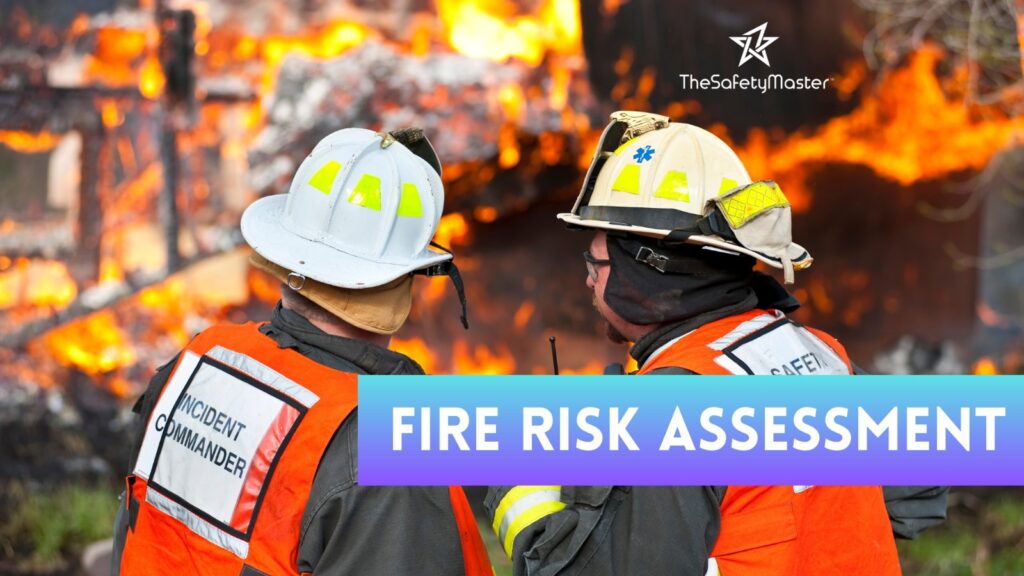
Fire can cause serious damage to people, property, equipment, production, and business operations. In industrial facilities, the risk can be higher because of electrical systems, machinery, chemicals, combustible materials, flammable liquids, gases, storage areas, and high-temperature processes. For this reason, industries need to focus on prevention instead of waiting for a fire incident to happen.
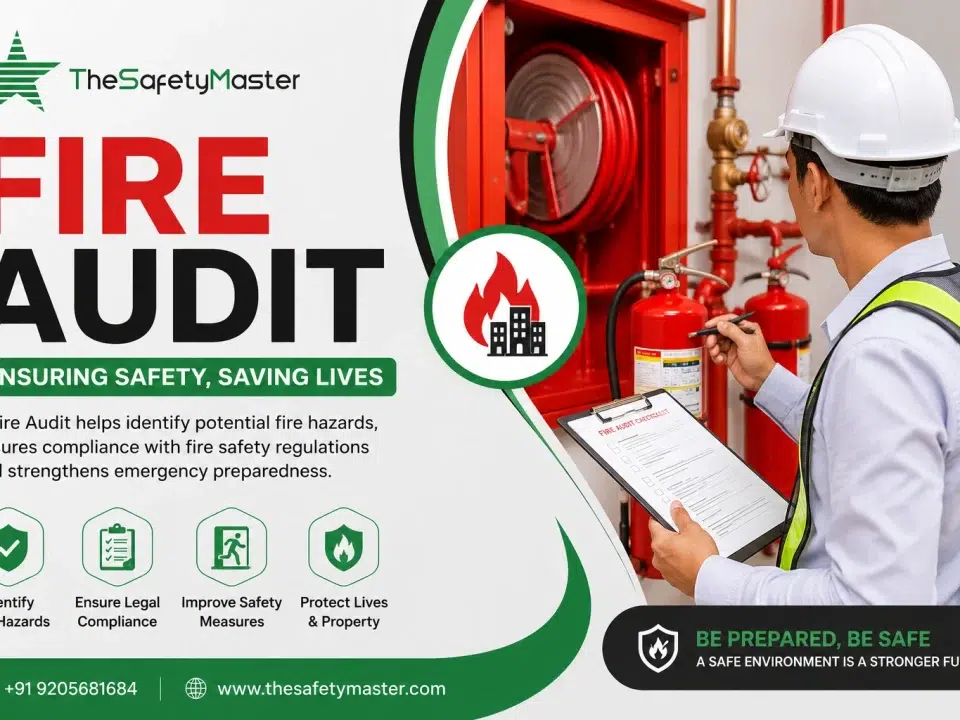
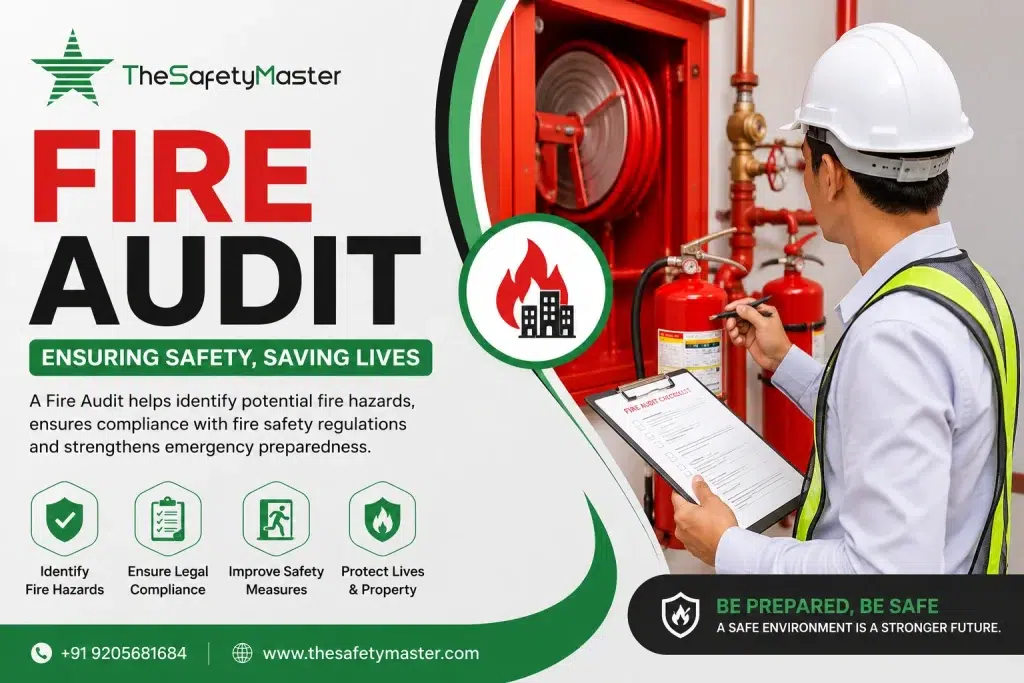
A Fire Safety Audit is an important way to identify fire hazards, check existing fire protection systems, and find areas that need improvement. A proper audit helps industries understand whether their fire prevention and emergency arrangements are working effectively.
The Safety Master supports organizations in improving workplace safety through systematic audits, risk identification, and practical safety recommendations.
Why Fire Prevention Is Important in Indian Industries
Industrial fires can develop quickly when several unsafe conditions exist together. Poor housekeeping, overloaded electrical systems, blocked emergency exits, improper storage of combustible materials, and poorly maintained firefighting equipment can increase the risk.
Fire prevention should therefore be part of the everyday safety management system. Industries should regularly inspect their workplaces, identify hazards, maintain fire protection equipment, train employees, and test emergency response procedures.
The Bureau of Indian Standards notes that India’s industrial fire safety framework includes standards and codes covering fire prevention, protection systems, firefighting equipment, and life safety.
What Is a Fire Safety Audit?
A Fire Safety Audit is a systematic examination of a building, plant, workplace, equipment, processes, and fire protection arrangements to identify fire hazards and evaluate existing controls.
A typical audit may examine:
- Fire detection and alarm systems
- Fire extinguishers
- Hydrant and sprinkler systems
- Emergency exits
- Escape routes
- Emergency lighting
- Electrical installations
- Fire pumps
- Fire water storage
- Storage of flammable materials
- Housekeeping
- Emergency response procedures
- Fire evacuation plans
- Employee fire safety training
- Mock drills
- Fire safety records and documentation
The objective is not simply to find problems. A good audit should also provide practical recommendations that help the organization reduce risk.
Key Proactive Measures for Fire Prevention
1. Identify Fire Hazards Early
The first step is to identify possible sources of ignition, fuel, and oxygen.
Common industrial fire hazards include:
- Electrical short circuits
- Hot work
- Flammable liquids
- Gas leakage
- Combustible dust
- Welding and cutting activities
- Overheated machinery
- Improper chemical storage
- Smoking in restricted areas
- Poor housekeeping
Identifying these hazards before an incident occurs allows the organization to introduce suitable controls.
2. Conduct Regular Fire Safety Audits
Regular audits help organizations identify unsafe conditions before they become serious problems.
An audit should cover both active and passive fire protection systems. It should also check whether fire safety equipment is accessible, maintained, tested, and suitable for the hazards present.
For certain buildings, the National Building Code framework includes provisions relating to fire and life safety audits. Government guidance has also emphasized regular inspection and fire safety measures.
3. Maintain Firefighting Equipment
Fire protection equipment is useful only when it is available and ready for operation.
Industries should regularly inspect:
- Fire extinguishers
- Fire hydrants
- Fire hoses
- Fire pumps
- Sprinkler systems
- Fire alarm systems
- Smoke and heat detectors
- Emergency lighting
- Fire water tanks
Equipment should not be blocked by materials, machinery, vehicles, or stored goods.
4. Keep Emergency Exits Clear
Employees need a safe and quick way to leave the workplace during an emergency.
Emergency routes should be:
- Clearly marked
- Properly illuminated
- Free from obstruction
- Easily accessible
- Included in evacuation plans
Doors, stairways, corridors, and emergency exits should be inspected regularly.
5. Improve Electrical Safety
Electrical faults are an important source of workplace fire risk.
Industries should regularly check:
- Electrical panels
- Cables
- Switches
- Distribution boards
- Earthing systems
- Overloaded circuits
- Temporary electrical connections
- Damaged insulation
- Electrical equipment
Thermal inspection and preventive maintenance can also help identify abnormal heating before it develops into a serious problem.
6. Control Hot Work
Welding, cutting, grinding, and other hot work can produce sparks and high temperatures.
A proper hot-work control system should include:
- Hot-work permits
- Removal of combustible materials
- Suitable fire extinguishers
- Fire watch
- Gas cylinder controls
- Area inspection before work
- Post-work monitoring
These controls are especially important in process industries and areas where flammable materials are present.
7. Improve Housekeeping
Good housekeeping is one of the simplest fire prevention measures.
Industries should prevent the accumulation of:
- Waste paper
- Packaging material
- Oil-soaked cloth
- Flammable waste
- Dust
- Scrap
- Combustible materials
Storage areas should be organized and materials should be kept away from ignition sources.
8. Store Flammable Materials Safely
Flammable liquids, gases, chemicals, and combustible materials should be stored according to the applicable requirements for the material and facility.
Storage areas should have suitable ventilation, segregation, identification, access control, and firefighting provisions.
For chemical industries, government guidance specifically addresses fire, explosion, leakage, and other chemical accident scenarios and emphasizes safety audits and emergency preparedness.
Fire Safety Audit Checklist for Industries
A practical audit checklist can include the following areas:
Building and Emergency Exits
- Are emergency exits clearly identified?
- Are escape routes free from obstruction?
- Is emergency lighting available?
- Are evacuation signs visible?
- Are fire doors maintained properly?
Fire Detection and Alarm Systems
- Are smoke and heat detectors working?
- Is the fire alarm system tested regularly?
- Can employees hear the alarm throughout the facility?
- Are alarm panels maintained?
Firefighting Systems
- Are fire extinguishers available at suitable locations?
- Are extinguishers accessible?
- Are hydrants and hoses maintained?
- Are fire pumps operational?
- Is sufficient fire water available?
- Are sprinkler systems inspected?
Electrical Safety
- Are electrical panels maintained?
- Are cables free from damage?
- Are circuits protected against overload?
- Is proper earthing provided?
- Are temporary connections controlled?
Emergency Preparedness
- Is an emergency response plan available?
- Are employees trained?
- Are fire drills conducted?
- Are emergency contact numbers displayed?
- Are assembly points identified?
Role of Fire Risk Assessment in Fire Prevention
Fire risk assessment helps an organization understand the likelihood and possible consequences of a fire.
The process generally involves:
- Identifying fire hazards
- Identifying people who may be affected
- Evaluating existing controls
- Assessing the level of risk
- Identifying additional controls
- Implementing corrective actions
- Reviewing the assessment periodically
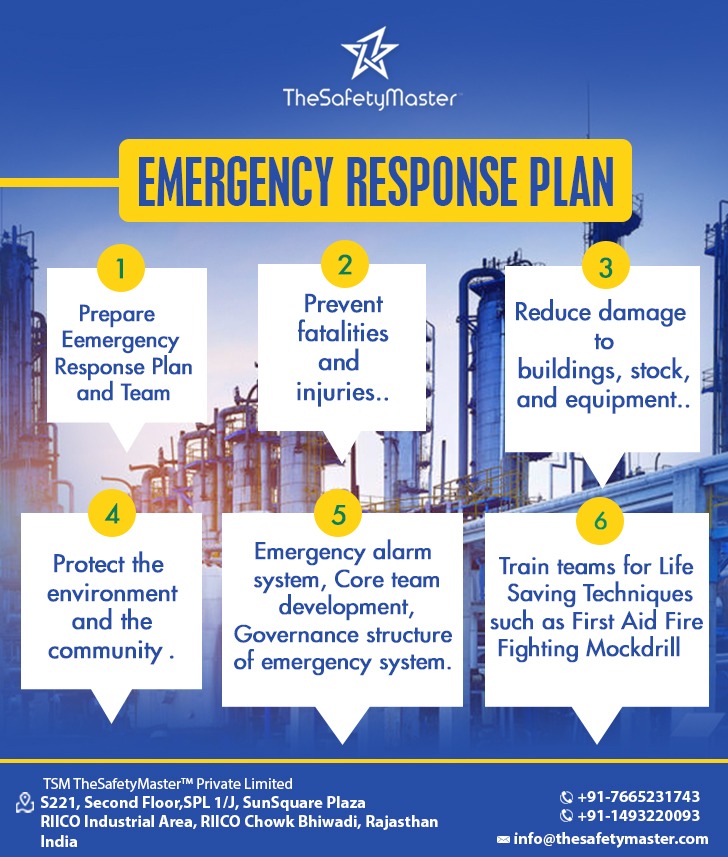
A Fire Safety Audit and fire risk assessment can work together. The audit identifies gaps, while risk assessment helps prioritize the hazards and controls that require attention.
Fire Safety Training for Employees
Fire protection systems alone cannot provide complete safety. Employees should know what to do when a fire occurs.
Training should cover:
- How to raise the alarm
- Emergency evacuation procedures
- Fire extinguisher awareness
- Emergency assembly points
- Reporting unsafe conditions
- Basic fire prevention practices
- Roles during an emergency
Regular mock drills help employees understand evacuation procedures and identify weaknesses in emergency arrangements.
Importance of Fire Safety Mock Drills
A mock drill provides an opportunity to test the organization’s emergency response.
During a drill, organizations can evaluate:
- Alarm response
- Evacuation time
- Employee awareness
- Emergency communication
- Assembly-point management
- Fire team response
- Accessibility of escape routes
- Coordination between departments
After every drill, the organization should document observations and implement corrective actions.
How The Safety Master Can Help Industries
The Safety Master can help organizations strengthen their fire prevention and safety management practices through professional safety services.
A systematic approach can include:
- Fire Safety Audit
- Fire Risk Assessment
- Fire safety inspection
- Fire safety compliance review
- Emergency preparedness assessment
- Safety recommendations
- Corrective action tracking
- Employee safety awareness
The objective is to help organizations identify risks early and implement practical measures to improve workplace safety.
Benefits of a Proactive Fire Safety Approach
A proactive fire prevention program can help industries:
- Reduce fire risks
- Protect employees
- Protect buildings and equipment
- Reduce production interruptions
- Improve emergency preparedness
- Identify safety gaps
- Improve compliance
- Strengthen safety culture
- Reduce potential financial losses
The Ministry of Labour and Employment and other government bodies have emphasized safety audits for industrial facilities, particularly where chemical accident risks such as fire and explosion are present.
How Often Should Industries Conduct Fire Safety Audits?
The required frequency can depend on the type of facility, occupancy, applicable legislation, local fire authority requirements, risk level, and industry-specific standards.
Organizations should not wait for an incident before conducting an audit. Higher-risk facilities may need more frequent inspections and reviews.
For example, government guidance referencing NBC 2016 has highlighted fire and life safety audits for certain buildings and recommended periodic audits. Applicable local requirements should always be checked for the specific facility.
Conclusion
Fire prevention should be a continuous process rather than a one-time activity. Industries can reduce fire risks by identifying hazards, maintaining fire protection systems, controlling ignition sources, keeping emergency exits clear, training employees, conducting mock drills, and regularly reviewing safety performance.
A properly planned Fire Safety Audit helps identify gaps before they become serious incidents. By taking proactive action and continuously improving safety controls, industries can create a safer workplace for employees, protect valuable assets, and improve emergency preparedness.
The Safety Master helps organizations take a structured approach to fire safety, risk identification, compliance, and workplace safety improvement.
Frequently Asked Questions
Q-What is a Fire Safety Audit?
A Fire Safety Audit is a systematic inspection of a workplace or facility to identify fire hazards and evaluate fire prevention, detection, protection, evacuation, and emergency response arrangements.
Q-Why is a Fire Safety Audit important for industries?
It helps identify fire hazards, check the condition of fire protection systems, find compliance gaps, and recommend corrective actions before a fire incident occurs.
Q-What does a Fire Safety Audit cover?
It can cover fire extinguishers, hydrants, sprinklers, alarms, emergency exits, electrical systems, fire water systems, storage areas, housekeeping, emergency plans, training, and mock drills.
Q-How can industries prevent fires?
Industries can reduce fire risk through good housekeeping, electrical safety, safe chemical storage, hot-work controls, regular equipment maintenance, employee training, fire drills, risk assessments, and regular safety audits.
Q-Who should conduct a Fire Safety Audit?
The auditor should have appropriate technical competence and experience for the type of facility and audit being conducted. Applicable regulatory requirements may also specify qualifications, accreditation, licensing, or approval requirements. Government guidance for certain industrial safety audits refers to competent/accredited agencies or applicable authority approval.
Q-What is the difference between a Fire Safety Audit and Fire Risk Assessment?
A Fire Safety Audit is a systematic review of fire safety arrangements and conditions. A Fire Risk Assessment focuses on identifying fire hazards, evaluating risk, and determining suitable control measures. Both can support a strong fire prevention program.
Q-Can a Fire Safety Audit improve workplace safety?
Yes. It can identify unsafe conditions, maintenance gaps, emergency preparedness weaknesses, and areas where additional controls are required. The value of the audit depends on proper corrective-action implementation after the inspection.