Professional HAZOP Study and Risk Assessment in Singapore for Chemical and Oil Refineries

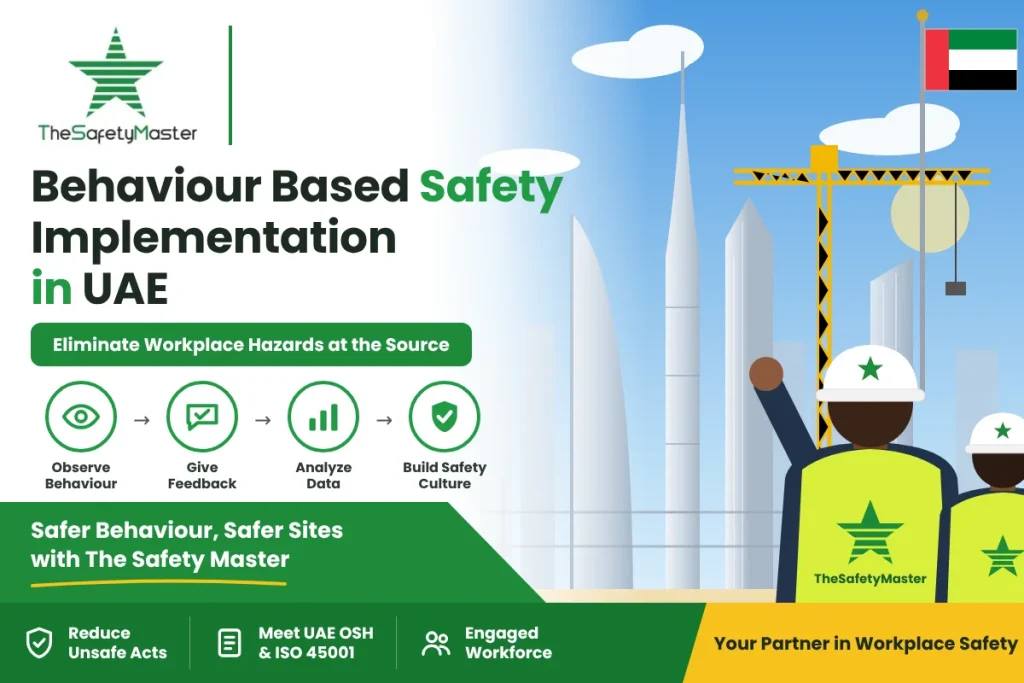
Step-by-Step Process Safety Management Implementation in Thailand: Ensuring Compliance and Hazard Control
November 27, 2026
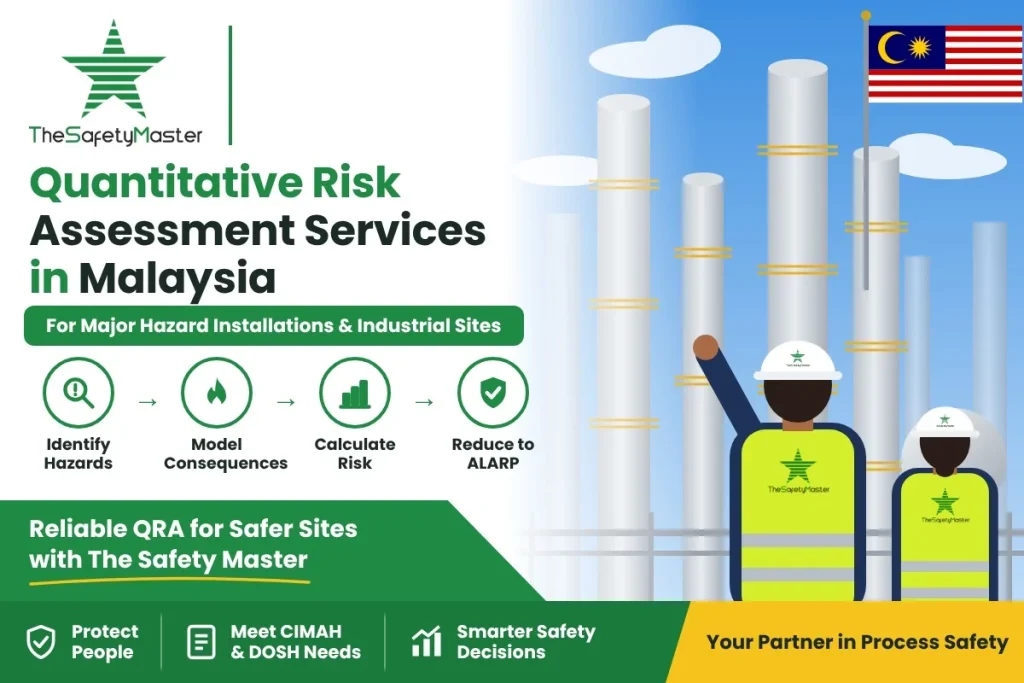
Reliable Quantitative Risk Assessment Services in Malaysia for Major Hazard Installations and Industrial Sites
November 27, 2026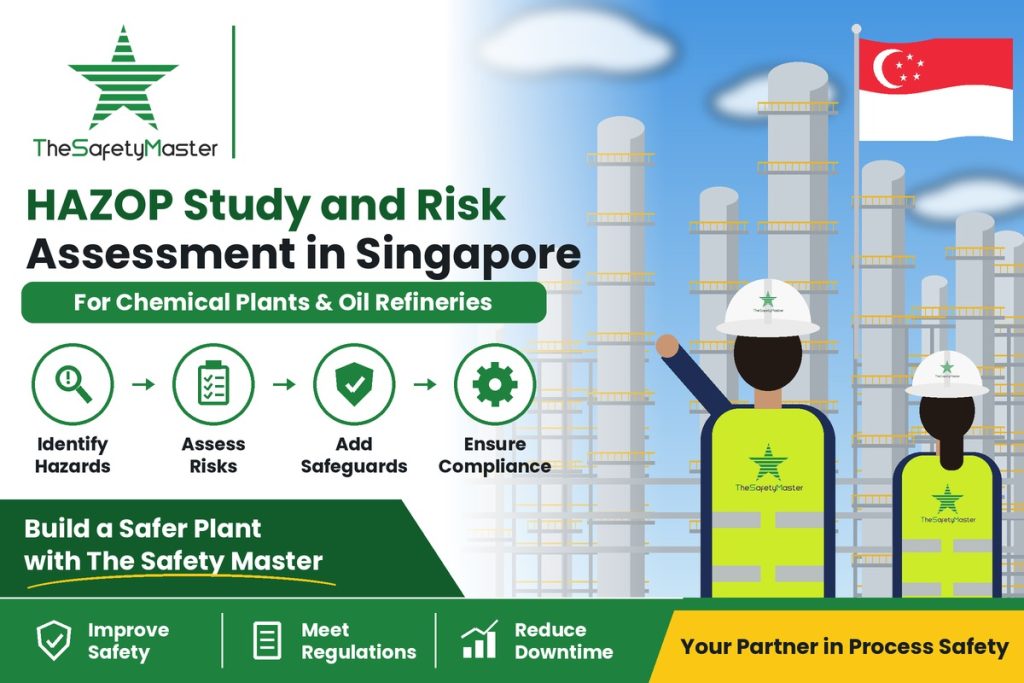
Introduction: Why Process Safety Matters in Singapore
Singapore is one of the world’s most important energy and chemical hubs. Jurong Island alone is home to world-class refineries, petrochemical crackers and specialty chemical plants that handle flammable, toxic and high-pressure materials every day. In this environment, a single overlooked hazard can lead to fires, explosions, toxic releases, costly shutdowns and serious harm to people.
That is why a professional HAZOP Study and Risk Assessment in Singapore is not just a regulatory checkbox. It is one of the most effective tools a plant owner has to protect workers, assets, the community and the business. At The Safety Master, we help chemical and oil refinery operators identify hazards early, understand their risks clearly and put the right safeguards in place.
What Is a HAZOP Study?
HAZOP stands for Hazard and Operability Study. It is a structured, systematic review of a process or operation, carried out by a multidisciplinary team, to find out how the plant could deviate from its design intent and what the consequences of those deviations would be.
How HAZOP Works
The process is divided into manageable sections called nodes, such as a distillation column, a heat exchanger or a pipeline. For each node, the team applies standard guidewords to process parameters to imagine possible deviations.
Common Guidewords and Parameters
- No / None – No flow, no pressure
- More – More flow, higher temperature, higher pressure
- Less – Less flow, lower level
- Reverse – Reverse flow
- Other Than – Wrong material, contamination
- As Well As – Extra component, impurity present
For every credible deviation, the team asks three key questions: What could cause it? What would happen? Are the existing safeguards good enough? Where they are not, the team records clear recommendations.
HAZOP vs Risk Assessment
A HAZOP identifies what can go wrong. A risk assessment goes further by evaluating how likely it is and how severe the outcome would be. Together, they give management a complete picture of process risk and a clear basis for decisions on design changes, alarms, interlocks, procedures and training.
Why HAZOP Study and Risk Assessment in Singapore Is Essential for Refineries and Chemical Plants
Regulatory Compliance
Singapore has a strong regulatory framework for workplace and process safety. The Workplace Safety and Health (WSH) Act and the WSH (Risk Management) Regulations require employers to identify hazards and assess and control risks at the workplace. Facilities classified as Major Hazard Installations (MHIs) must also prepare and maintain a Safety Case that demonstrates major accident risks are properly identified and controlled. A well-documented HAZOP and risk assessment is a core building block of that demonstration.
Protecting People and Assets
Refineries and chemical plants operate with hydrocarbons, corrosive chemicals and toxic gases at high temperatures and pressures. A rigorous HAZOP helps prevent:
- Fires and vapour cloud explosions
- Toxic gas releases
- Overpressure and equipment rupture
- Runaway reactions
- Environmental spills
Improving Operability and Reliability
HAZOP is not only about safety. Because it examines how a process behaves under abnormal conditions, it often reveals operability problems, such as poor control logic, difficult start-up and shutdown steps, or maintenance access issues. Fixing these early reduces unplanned downtime and improves plant efficiency.
Lower Lifecycle Costs
Changing a drawing costs far less than modifying a live plant. Conducting a HAZOP at the design stage, or before a major modification, avoids expensive rework, delays and insurance issues later.
When Should You Conduct a HAZOP Study?
A HAZOP is valuable at several points in a facility’s lifecycle:
New Projects and FEED Stage
During Front-End Engineering Design (FEED) and detailed engineering, when P&IDs are mature enough to review in detail.
Plant Modifications (Management of Change)
Whenever equipment, chemicals, operating conditions or control systems are changed, a HAZOP or a focused review ensures new hazards are not introduced.
Periodic Revalidation
Existing plants should revalidate their HAZOP periodically, commonly every five years, to capture changes, incidents and lessons learned over time.
After an Incident
Following a near miss or incident, a HAZOP review helps confirm whether the root cause has been fully addressed across similar systems.
Our HAZOP Study and Risk Assessment Process at The Safety Master
At The Safety Master, we follow a proven, internationally recognised methodology aligned with IEC 61882 and industry best practice, adapted to Singapore’s regulatory expectations.
Step 1: Planning and Scoping
We define the study objectives, boundaries and nodes, and agree on the risk matrix and team composition with your management.
Step 2: Document Review
Our team reviews up-to-date P&IDs, PFDs, cause-and-effect charts, operating procedures, equipment datasheets and previous studies to make sure every session is well prepared.
Step 3: Facilitated HAZOP Workshops
An experienced, independent HAZOP chairperson leads your team of process, operations, instrumentation, mechanical and safety specialists through each node. A dedicated scribe records every deviation, cause, consequence, safeguard and recommendation in real time.
Step 4: Risk Ranking
Each scenario is ranked using a severity–likelihood risk matrix so your team can focus resources on the highest risks first.
Step 5: Advanced Studies Where Needed
For high-consequence scenarios, we can extend the work with:
LOPA (Layer of Protection Analysis)
To check whether independent protection layers reduce risk to a tolerable level.
SIL Assessment
To determine the required Safety Integrity Level of safety instrumented functions.
HAZID and QRA Support
To identify broader hazards and support quantitative risk work for Safety Case submissions.
Step 6: Reporting and Action Tracking
You receive a clear, audit-ready HAZOP report with worksheets, a recommendations register and an action plan. We also help you track and close out recommendations so the study turns into real risk reduction.
Why Choose The Safety Master?
Experienced Facilitators
Our HAZOP leaders have hands-on experience in refineries, petrochemical plants, terminals and specialty chemical facilities.
Independent and Objective
As an independent consultant, we challenge assumptions honestly and bring a fresh perspective to your process risks.
Local Regulatory Understanding
We understand the expectations of Singapore’s WSH framework and MHI Safety Case requirements, so your documentation is built to stand up to scrutiny.
Practical Recommendations
We focus on recommendations that are clear, achievable and cost-effective, not generic lists that sit unused on a shelf.
Flexible Delivery
We offer on-site and virtual HAZOP sessions, scheduled around your project milestones and plant operations.
Industries We Serve
- Oil refineries and petroleum terminals
- Petrochemical and specialty chemical plants
- LNG and gas processing facilities
- Pharmaceutical and fine chemical manufacturing
- Storage tank farms and bulk liquid terminals
- Utilities and water treatment plants handling hazardous chemicals
Conclusion: Build a Safer, More Reliable Plant
In a high-hazard industry, prevention is always better than recovery. A professional HAZOP Study and Risk Assessment in Singapore gives your chemical plant or oil refinery a clear understanding of what could go wrong, how serious it could be and what you need to do about it. It supports regulatory compliance, protects your people and assets, and improves the reliability of your operations.
The Safety Master is ready to support your next HAZOP, risk assessment, LOPA or SIL study with experienced facilitators and practical, audit-ready results.
Contact The Safety Master today to schedule your HAZOP Study and Risk Assessment in Singapore and take the next step toward safer, smarter operations.