How to Achieve Behavior-Based Safety Implementation in UAE to Eliminate Workplace Hazards

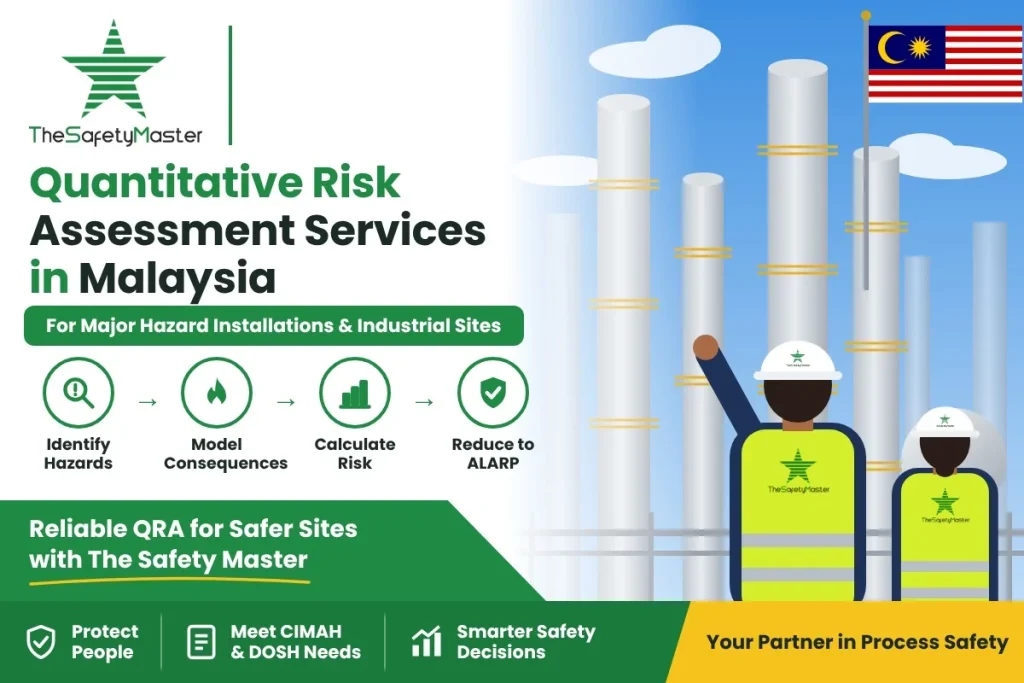
Reliable Quantitative Risk Assessment Services in Malaysia for Major Hazard Installations and Industrial Sites
November 27, 2026
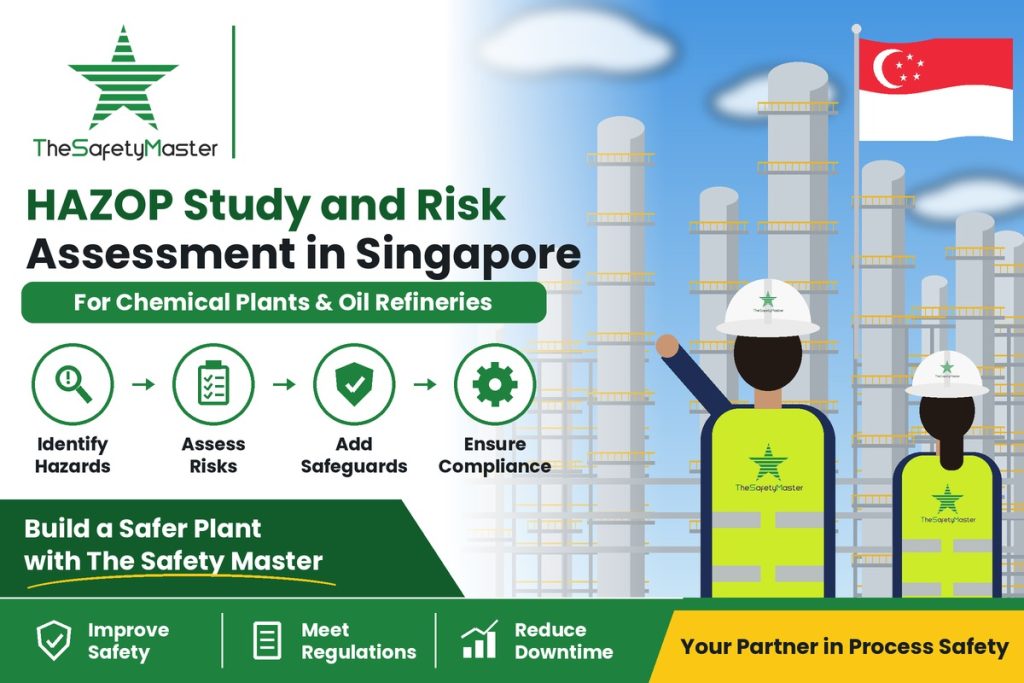
Hazardous Area Classification Singapore: IEC Standards and Industrial Safety Requirements
November 27, 2026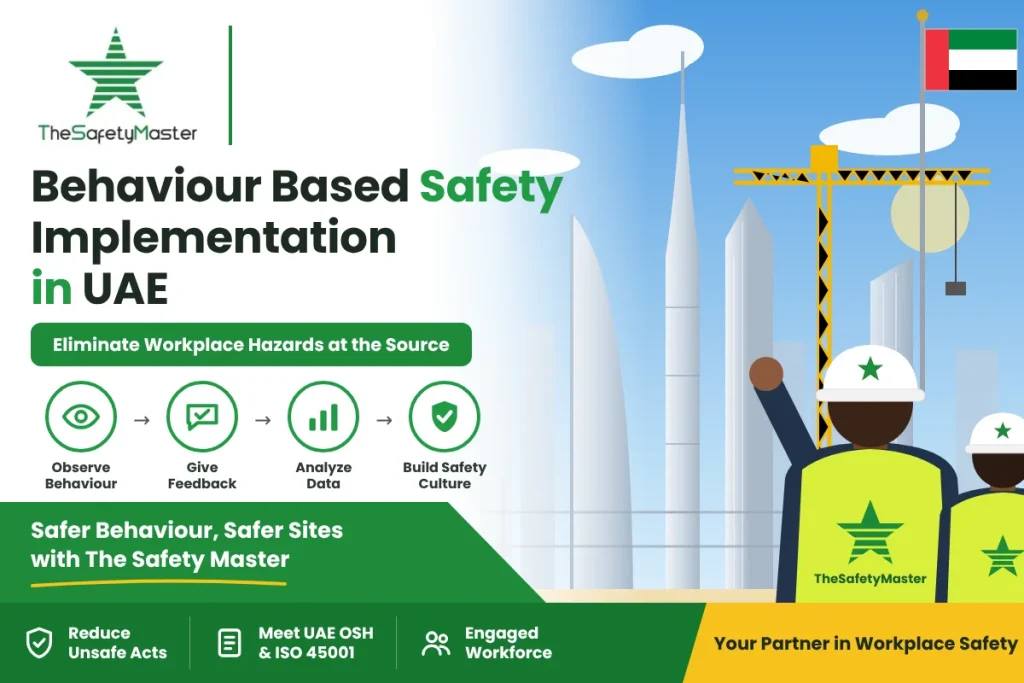
The UAE is one of the fastest-growing economies in the world. Construction, oil and gas, logistics, manufacturing, hospitality and facility management all run at high speed. With that growth comes risk. Most organizations already have safety procedures, PPE and permits in place, yet incidents still happen. Why?
Research and industry experience show that most workplace incidents involve human behaviour: a shortcut, a skipped step, a missing glove, or a “just this once” decision. This is where Behaviour Based Safety Implementation in UAE makes a real difference. Instead of relying only on rules and equipment, Behaviour-Based Safety (BBS) focuses on what people actually do on the job and how to make safe behaviour a habit.
In this guide, The Safety Master explains what BBS is, why it matters for UAE workplaces, and how to implement it step by step to eliminate workplace hazards.
What Is Behaviour-Based Safety (BBS)?
Behaviour-Based Safety is a structured, proactive approach to safety. It identifies safe and at-risk behaviours, observes them in the workplace, gives positive and constructive feedback, and uses the data to drive continuous improvement.
The Core Principle of BBS
BBS works on a simple idea: behaviour is influenced by what comes before it (activators such as training, signs and instructions) and what follows it (consequences such as recognition, correction or convenience). By managing both, organizations can steadily increase safe behaviour and reduce unsafe acts.
BBS vs. Traditional Safety Programs
Traditional safety programs are often reactive. They look at incidents after they occur and focus on compliance and blame. BBS is proactive. It looks at leading indicators, involves employees at every level, and focuses on learning rather than punishment.
Why Behaviour Based Safety Implementation in UAE Is Essential
A Diverse, Multinational Workforce
UAE workplaces bring together people from many countries, languages and safety backgrounds. A worker’s idea of “normal” safe practice may differ from site to site. BBS creates one shared language of safe behaviour that everyone can understand and follow.
Demanding Climate and High-Risk Industries
Extreme summer heat, working at height, heavy machinery, confined spaces and fast project timelines all increase the chance of risky shortcuts. BBS helps supervisors spot fatigue, heat stress behaviours and rushing before they lead to injury.
Regulatory Expectations and Client Requirements
UAE authorities and emirate-level frameworks, such as Abu Dhabi’s OSHAD system and Dubai’s occupational safety requirements, expect employers to actively manage risk. Major clients and contractors also increasingly ask for a visible safety culture and ISO 45001 alignment. A strong BBS program supports both.
Business Benefits
- Fewer incidents, injuries and lost-time cases
- Lower insurance, compensation and downtime costs
- Better employee morale and engagement
- Stronger reputation with clients and regulators
Step-by-Step Guide to Behaviour Based Safety Implementation in UAE
Successful BBS is not a one-day training session. It is a planned change in culture. Here is the proven approach The Safety Master follows with UAE organizations.
Step 1: Secure Leadership Commitment
BBS fails without visible support from top management. Leaders must:
- Approve time, budget and resources for the program
- Take part in observations themselves
- Communicate clearly that BBS is about learning, not blame
Set Clear Objectives
Define what success looks like, for example: reduce at-risk behaviours in material handling by 40% in six months, or reach 95% correct PPE use on all sites.
Step 2: Conduct a Safety Culture and Risk Assessment
Before launching, understand your starting point. Review incident and near-miss records, risk assessments, audit findings and employee surveys. This shows where most at-risk behaviours happen and which departments need the most attention.
Step 3: Form a BBS Steering Committee
Create a team that includes managers, supervisors, HSE professionals and frontline workers. Including workers is critical. They know the real shortcuts and pressures on the job, and their involvement builds trust across the workforce.
Step 4: Identify Critical Safe Behaviours
Using incident data and task analysis, develop a list of critical behaviours that directly affect safety. Examples include:
- Using three points of contact on ladders
- Wearing correct PPE for the task
- Following lockout/tagout procedures
- Keeping walkways and exits clear
- Taking hydration and rest breaks during hot weather
Build a Behaviour Observation Checklist
Turn these behaviours into a simple, clear checklist. Keep it short, specific and translated into the main languages spoken by your workforce.
Step 5: Train Observers and Employees
Everyone needs to understand BBS, but observers need deeper training. They must learn how to:
- Observe without interrupting work unsafely
- Record safe and at-risk behaviours accurately
- Give respectful, positive feedback
- Discuss the reasons behind at-risk behaviour
Use Multilingual and Practical Training
In the UAE, training works best when it is visual, practical and delivered in languages such as English, Arabic, Hindi, Urdu, Malayalam or Tagalog, depending on your workforce.
Step 6: Carry Out Observations and Give Feedback
Observers regularly watch tasks using the checklist. After each observation, they talk with the worker: praise safe actions first, then discuss any at-risk behaviour and agree on a safer method together. The goal is a conversation, not a citation.
Step 7: Analyze Data and Remove Root Causes
BBS data shows patterns. If many workers skip a step, the real problem may be poor equipment, unclear procedures, time pressure or a badly designed workspace. Fix these root causes. This is how BBS truly eliminates hazards rather than simply blaming people.
Track Leading Indicators
Monitor measures such as percentage of safe behaviour, number of observations completed, and actions closed. These leading indicators predict performance before incidents happen.
Step 8: Recognize, Reward and Sustain
Celebrate improvement. Recognize teams and individuals who show consistent safe behaviour. Share results in toolbox talks and meetings. Review and refresh the checklist regularly so the program stays relevant and does not become a routine paperwork exercise.
Common Challenges in BBS Implementation and How to Overcome Them
Fear of Blame
Workers may hide unsafe behaviour if they think they will be punished. Make observations anonymous and focused on learning.
“Tick-Box” Observations
When observations become a target number, quality drops. Focus on meaningful conversations and data quality, not just quantity.
Lack of Follow-Up
If issues raised in observations are never fixed, employees lose trust. Assign owners and deadlines to every corrective action.
Language and Cultural Barriers
Use pictures, translated materials and peer observers from the same language groups to make the program inclusive.
How The Safety Master Supports BBS in UAE
The Safety Master helps organizations across the UAE design and implement Behaviour-Based Safety programs that deliver lasting results. Our support includes:
- Safety culture assessments and gap analysis
- Custom BBS program design for your industry
- Observer and supervisor training in multiple languages
- Behaviour observation checklists and data systems
- Integration with ISO 45001 and local regulatory requirements
- Ongoing coaching, audits and performance reviews
Whether you operate a construction site in Dubai, an industrial plant in Abu Dhabi or a logistics hub in Sharjah, our consultants tailor BBS to your people, risks and business goals.
Conclusion
Equipment, procedures and permits are important, but people are at the heart of every safe workplace. Behaviour Based Safety Implementation in UAE gives organizations a practical, proven way to turn safety rules into daily habits, uncover hidden hazards, and build a culture where everyone looks out for each other.
With strong leadership, active employee involvement, quality observations and data-driven action, BBS can significantly reduce incidents and help eliminate workplace hazards at their source.
Ready to build a safer, stronger workplace? Contact The Safety Master today to start your Behaviour-Based Safety journey.