Best Practices for Ensuring Comprehensive Health and Safety Assessments for Project Sites

How to Develop an Effective Emergency Response Plan for Your Business
June 12, 2023
Fire Risk Assessment Prioritisation Tool (FRAPT) and The Safety Master: Leading Fire Safety Consultants
June 13, 2023
Health and safety assessments are an essential part of managing risks on project sites. Every project environment can contain hazards that may affect workers, visitors, equipment, the environment, and surrounding communities. The Safety Master can support organizations in strengthening their safety practices and improving risk management. A comprehensive assessment helps organizations identify these hazards, evaluate their potential impact, and establish suitable measures to control or eliminate risks.
Effective health and safety assessments are more than a compliance requirement. They demonstrate an organization’s commitment to protecting people and maintaining a responsible working environment. Regular assessments can help prevent accidents, reduce injuries, identify weaknesses in existing safety controls, and support better project performance.
Best Practices for Ensuring Comprehensive Health and Safety Assessments for Project SitesI.
Ensuring comprehensive health and safety assessments for project sites is not just a legal obligation but also a moral responsibility. Any project site poses potential risks to the workers, the environment, and the surrounding community. Therefore, it is crucial to implement best practices to ensure that all health and safety hazards are accurately identified, assessed, reported, and mitigated.In this article, we will discuss the best practices for ensuring comprehensive health and safety assessments for project sites. We will delve into the objectives of health and safety assessments, their reporting procedures, post-assessment action plans, continuous performance improvement strategies and periodic assessment implementation. We promise to provide practical insights into how you can create a safe working environment while protecting your business interests. By implementing our recommended best practices for health and safety assessments in your project sites, you can minimize risks while optimizing productivity
-Importance of Health and Safety Assessments in Project Sites
Ensuring the Health and Safety of all workers, staff, and visitors in a project site should be fundamental to all projects. Health and safety assessments are a vital part of this process as they provide an avenue for identifying potential hazards and the development of strategies to mitigate them. The benefits of conducting health and safety assessments outweigh the costs, since such assessments can result in a reduction of accidents that may lead to injuries or fatalities.Conducting health and safety assessments is not just a legal requirement but also a moral obligation. It ensures that workers have adequate protection from occupational hazards while on the job site. The consequences of failing to conduct comprehensive health and safety assessments can be catastrophic for both individuals and organizations
Defining Health and Safety Assessments
Defining Health and Safety Assessments:Health and safety assessments are an essential part of risk management processes in project sites. These assessments are designed to identify potential hazards that may pose a threat to project workers, visitors, or the environment. Health and safety assessments aim to improve site safety by identifying ways to prevent accidents and injuries before they happen.
There are various types of health and safety assessments that can be conducted on project sites depending on the nature of the project. Some common forms of health and safety assessments include risk assessments, hazard identification, site inspections, job hazard analysis, and environmental impact assessment. A comprehensive assessment should cover all aspects of health and safety concerns associated with the site in order to ensure that every possible risk is identified and addressed.
Objectives of Health and Safety Assessments
The objectives of Health and Safety Assessments in project sites are to identify, assess, and manage risks to prevent occupational health and safety incidents. By conducting these assessments, it is possible to evaluate the effectiveness of existing controls and identify any gaps or areas for improvement. The primary objective of Health and Safety Assessments is to protect workers from harm by ensuring that the workplace is safe. This involves identifying potential hazards such as dangerous machinery or toxic chemicals, assessing their level of risk, and putting measures in place to control or eliminate those risks.
Another goal of Health and Safety Assessments is to comply with regulatory requirements. Companies must adhere to strict laws and regulations related to worker safety, such as OSHA standards in the United States. By conducting regular assessments, companies can ensure that they are meeting these requirements and avoid costly fines or legal action.
Ultimately, the objective of Health and Safety Assessments is not only to prevent accidents but also promote a positive workplace culture that values employee well-being. By prioritizing worker health and safety through proactive assessments, employers can create a sense of trust among employees while boosting productivity levels.
Health and Safety Assessment Reporting
Health and Safety Assessment Reporting is a critical aspect of project site assessments. The report should document all the findings, observations, and recommendations made during the assessment. The report must be structured in a clear and concise manner to facilitate easy understanding by stakeholders. The report must contain an executive summary that highlights the significant issues identified during the assessment. This section should also include recommendations for further action to address these issues. Additionally, it should provide a detailed analysis of each hazard identified, including its potential impact on workers and the environment.
The Health and Safety Assessment Report not only serves as a record of the health and safety conditions on the project site but also as an invaluable reference tool for future projects. Regular review of these reports helps to identify emerging trends in health and safety risks associated with specific project types or locations. As such, it facilitates continuous improvement in health and safety performance within an organization.
Health and Safety Post Assessment Action
After conducting a comprehensive health and safety assessment, it is important to take action on the findings. The post-assessment action should focus on addressing the identified hazards and risks. This stage involves creating an action plan that outlines the steps that will be taken to address any health and safety concerns that were identified during the assessment. The first step in developing a post-assessment action plan is prioritizing the identified hazards according to their level of severity. This helps in determining which risks require immediate attention and which ones can be tackled later. Depending on the size of the project site, it may be necessary to create a timeline for addressing each hazard.
Once all hazards are ranked by severity, it’s time to begin taking action. The measures taken should aim at eliminating or minimizing potential harm to workers or visitors on site. While implementing post-assessment actions, continuous monitoring is essential to ensure that each hazard has been fully addressed before moving onto other concerns. By taking these steps, project sites can minimize risks for workers and visitors while enhancing overall health and safety performance at worksites.
Continuous Health and Safety Performance Improvement:
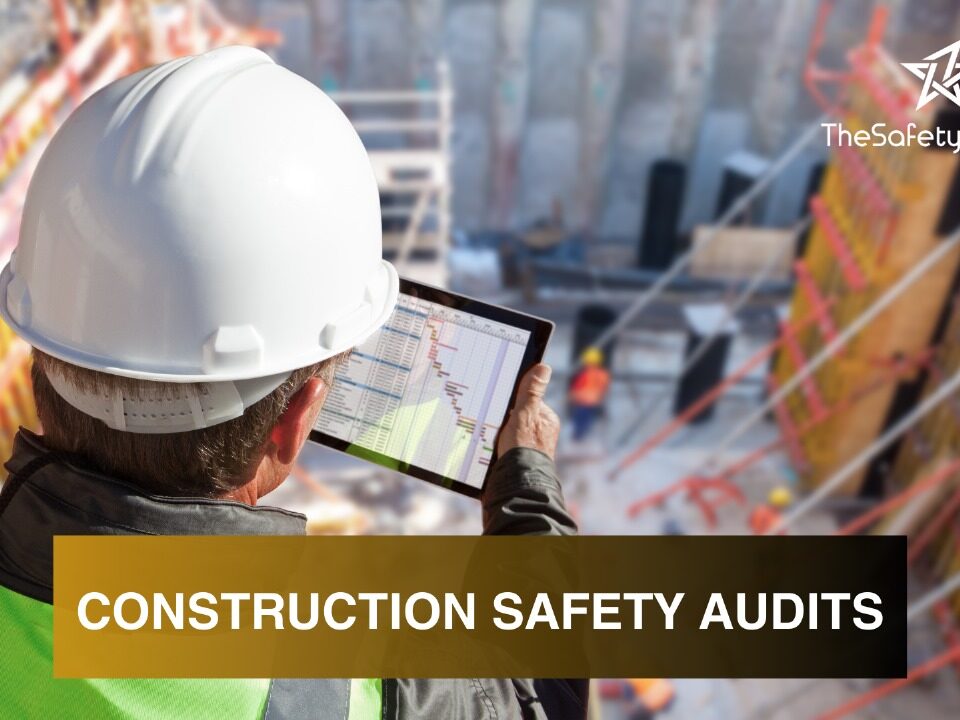
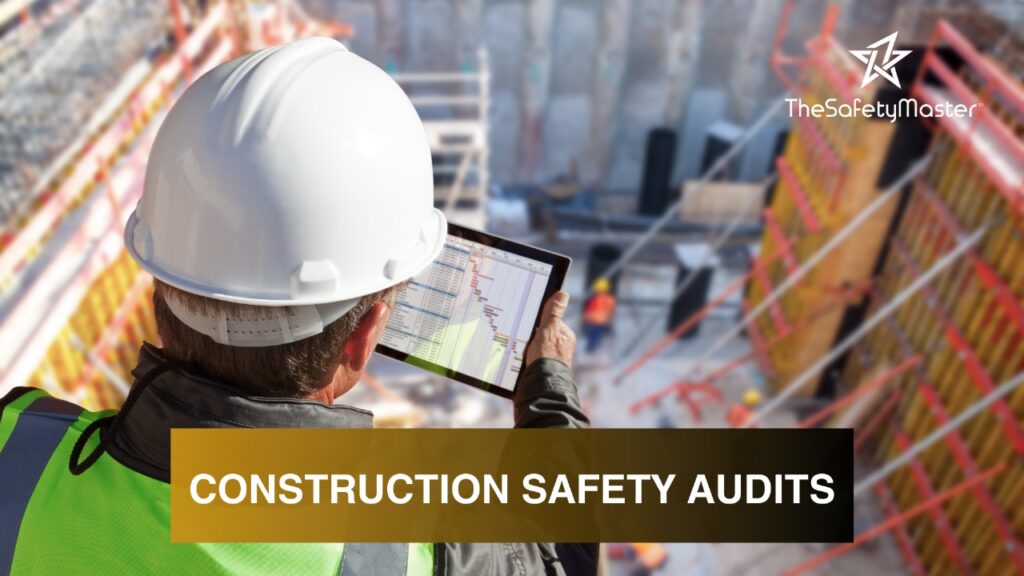
Ensuring health and safety at project sites is an ongoing process that requires continuous performance improvement. The goal of continuous performance improvement is to identify potential hazards, evaluate the effectiveness of current safety measures, and implement new measures to reduce risks.One approach to achieving continuous health and safety performance improvement is by conducting regular safety audits. Conducting regular audits can help identify areas where improvements are needed, such as unsafe behaviors or inadequate training. Results from audits can guide decisions on how to improve health and safety measures for staff members.
Another key strategy for continuous health and safety performance improvement is education. Workshops on safe work practices, proper use of equipment, emergency procedures, and hazard identification enable staff members the opportunity to engage with industry experts and learn valuable insights into emergency preparedness.
Overall, implementing a comprehensive program focused on continuous health and safety performance improvement requires commitment from management teams. By prioritising a strong culture of safety consciousness through training programs in combination with regular reviews of policies & procedures as well as conducting periodic check-ins with site supervisors managers will be laying the foundation for creating safe workplaces where employees feel confident in their roles while respecting their physical wellbeing.
Conducting periodic Health and Safety Assessments
Regular health and safety assessments are critical to maintaining a safe and healthy work environment for employees. The frequency of assessments varies depending on the nature of the project, but they should always be conducted regularly to ensure that any potential hazards are identified and mitigated in a timely manner. During these assessments, all areas of the project site should be evaluated for health and safety risks. This includes not only work areas but also common areas such as break rooms, restrooms, and parking lots. It is also important to involve all stakeholders in conducting these periodic health and safety assessments to ensure that everyone is working towards a common goal of creating a safe work environment.
After identifying potential hazards during the assessment, action plans should be developed to address them promptly. These plans should include specific steps for mitigating each hazard, timelines for completion, assigned responsibilities, and monitoring procedures. By conducting regular health and safety assessments and implementing action plans promptly when needed, project sites can achieve their goals of providing a safe work environment for all employees involved in the project.
Conclusion
Comprehensive health and safety assessments are fundamental to creating safer project sites. They help organizations identify hazards, evaluate risks, implement corrective measures, and monitor the effectiveness of safety controls.
The assessment process should not end when the report is completed. Organizations should prioritize identified risks, implement action plans, provide ongoing training, and incorporate Health Management Assessment into their safety practices. Regular audits and periodic reassessments are also essential. This continuous approach helps project sites respond to changing conditions and improve safety performance over time.
By making health and safety an integral part of project planning and execution, organizations can reduce preventable risks while supporting a safer and more productive workplace. Prevention, regular assessment, clear reporting, and continuous improvement together provide a strong foundation for responsible project-site safety.
At TSM TheSafetyMaster Private Limited we offer following services
TSM TheSafetyMaster® Private Limited
Unit No 221-451-452, SPL1/J, 2nd & 4th Floor, Sunsquare Plaza Complex, RIICO Chowk, Bhiwadi 301019, Rajasthan, India
Phone: +91 1493 22 0093
Mobile: +91 7665231743/9413882016
Email: info@thesafetymaster.com