How to Inspect and Use a Fire Extinguisher – The Safety Master

Beyond Compliance: Unleashing the Potential of Behavior-Based Safety Training
May 25, 2024
The Importance of Fire Load Calculation and Adequacy Study in Indian Industries: Ensuring Workplace Safety
May 28, 2024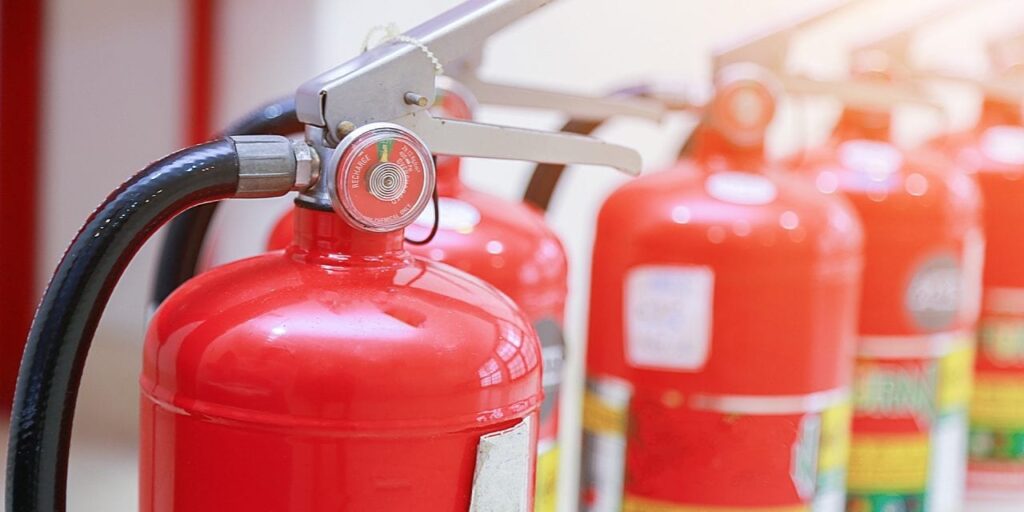
Fire extinguishers are important fire protection equipment for homes, offices, factories, commercial buildings, and other workplaces. However, simply keeping a fire extinguisher on the premises is not enough. It must be the correct type, easily accessible, properly maintained, and ready for use during an emergency.
Knowing how to inspect and use a fire extinguisher can help people respond correctly to a small fire while maintaining a safe escape route. The Safety Master provides fire safety guidance, audits, training, and consultancy to help organizations improve their emergency preparedness and workplace safety.
Why Fire Extinguisher Inspection Is Important
A fire extinguisher may not work properly if it has been damaged, discharged, poorly maintained, incorrectly placed, or is not suitable for the fire hazard.
Regular inspection helps identify problems before an emergency occurs.
During an inspection, important points include:
- Physical condition of the extinguisher
- Pressure indication where applicable
- Safety pin and tamper seal
- Hose or nozzle condition
- Accessibility
- Correct location
- Identification and signage
- Inspection and service information
- Suitability for the expected fire hazard
Workplace fire extinguishers should be inspected and maintained according to applicable requirements, manufacturer instructions, and the site’s fire safety program. OSHA, for example, requires workplace portable extinguishers to be visually inspected monthly and receive an annual maintenance check.
Understanding Different Types of Fire Extinguishers
Before using an extinguisher, it is important to understand that different extinguishing agents are designed for different fire hazards.
Water Fire Extinguishers
Water extinguishers are generally used for suitable Class A fires involving materials such as wood, paper, and cloth.
They should not be used on energized electrical equipment or fires involving flammable liquids.
Foam Fire Extinguishers
Foam extinguishers can be suitable for certain Class A and flammable-liquid fire risks, depending on the extinguisher’s rating and manufacturer instructions.
Dry Chemical Fire Extinguishers
Dry chemical extinguishers are commonly used for several workplace fire hazards. ABC-rated units can provide protection against common Class A, B, and C hazards where appropriately rated.
Carbon Dioxide Fire Extinguishers
CO₂ extinguishers are commonly used for suitable electrical and flammable-liquid fire risks. The discharge horn can become extremely cold during use, so users should follow the manufacturer’s safety instructions.
Special-Purpose Extinguishers
Some workplaces have special hazards such as combustible metals or commercial cooking operations. These hazards require appropriately rated extinguishing equipment.
Always check the extinguisher label and the hazard before attempting to fight a fire.
How to Inspect a Fire Extinguisher
A basic visual inspection can identify many common problems.
Check the Location
Make sure the extinguisher is located where it is supposed to be and can be reached quickly.
It should not be hidden behind:
- Boxes
- Equipment
- Furniture
- Stored materials
- Waste
- Other obstructions
Fire extinguishers should be readily accessible and properly identified.
Check the Cylinder
Look at the extinguisher body for:
- Dents
- Corrosion
- Leakage
- Cracks
- Damaged labels
- Other visible damage
A damaged extinguisher should be assessed by a competent person or service provider.
Check the Pressure
If the extinguisher has a pressure gauge, check whether the indicator is within the manufacturer’s acceptable range.
Do not assume that every extinguisher uses the same gauge arrangement. Follow the manufacturer’s instructions.
Check the Safety Pin and Seal
The safety pin should be correctly installed, and the tamper seal should be intact unless the extinguisher has been used or serviced.
A missing or damaged seal can indicate that the extinguisher has been operated or tampered with.
Check the Hose and Nozzle
Make sure the hose, nozzle, or discharge outlet is not blocked, cracked, damaged, or obstructed.
The discharge path must be clear so the extinguishing agent can be released correctly.
Check Inspection and Service Information
Review the inspection tag or service record where applicable.
Regular maintenance helps ensure that extinguishers remain operational. Workplace programs should maintain appropriate inspection and service records.
How to Use a Fire Extinguisher Safely
A fire extinguisher should generally be used only for a small, developing fire when the person is trained or otherwise prepared to do so and has a safe escape route.
Before attempting to extinguish a fire:
- Raise the alarm.
- Inform others about the fire.
- Call emergency services when appropriate.
- Identify a safe escape route.
- Make sure the extinguisher is suitable for the fire.
- Do not allow fire, heat, or smoke to block your escape route.
OSHA recommends selecting the correct extinguisher, maintaining an evacuation path, and using the PASS technique for appropriate incipient-stage fires.
Use the PASS Method
The PASS method is a simple way to remember the basic steps for operating many portable fire extinguishers.
Pull
Pull the safety pin from the extinguisher.
This allows the extinguisher to be activated.
Aim
Aim the nozzle or hose at the base of the fire, rather than directly at the top of the flames.
Squeeze
Squeeze the handle to release the extinguishing agent.
Sweep
Move the nozzle from side to side across the base of the fire until the flames appear to be controlled.
Continue watching the area because a fire can reignite.
When Should You Not Use a Fire Extinguisher?
A fire extinguisher is not suitable for every emergency.
Do not attempt to fight a fire when:
- The fire is rapidly growing.
- Heavy smoke is present.
- You do not know what is burning.
- You do not have the correct extinguisher.
- Your escape route may become blocked.
- The extinguisher is damaged or unsuitable.
- You have not been trained and are unsure how to respond.
- The fire has moved beyond its early stage.
If there is any doubt about your ability to safely fight the fire, evacuate immediately.
Common Fire Extinguisher Mistakes to Avoid
Even a properly installed extinguisher may be ineffective if people do not know how to use it.
Common mistakes include:
- Using the wrong extinguisher type
- Standing too close to the fire
- Aiming at the top of the flames
- Ignoring smoke conditions
- Blocking the escape route
- Using a damaged extinguisher
- Keeping extinguishers behind stored materials
- Failing to inspect extinguishers
- Waiting too long before raising the alarm
- Trying to fight a fire that is already spreading
Proper training and practical fire drills can improve employee awareness and emergency response.
Where Should Fire Extinguishers Be Placed?
Fire extinguishers should be located where they can be quickly accessed during an emergency.
Suitable locations depend on the building layout, fire hazards, applicable requirements, and the extinguisher type.
Important considerations include:
- High-risk areas
- Electrical equipment areas
- Kitchens
- Production areas
- Storage areas
- Offices
- Exit routes
- Areas with flammable materials
The exact number, type, and placement should be determined based on the hazards and applicable fire safety requirements.
Fire Extinguisher Inspection Checklist
A simple workplace inspection can include the following points:
- Is the extinguisher in its designated location?
- Is it easily accessible?
- Is the correct extinguisher type provided?
- Is the cylinder free from visible damage?
- Is the pressure indication acceptable where applicable?
- Is the safety pin present?
- Is the tamper seal intact?
- Is the hose or nozzle clear?
- Is the identification label readable?
- Is the extinguisher properly mounted where required?
- Is the inspection/service information current?
- Is the surrounding area free from obstruction?
The Safety Master also recommends checking extinguisher type, location, accessibility, physical condition, pressure, inspection status, service records, signage, and unobstructed access during fire safety inspections.
Importance of Fire Extinguisher Training
Knowing where an extinguisher is located is different from knowing how to use it.
Fire extinguisher training can help employees understand:
- Different types of fire
- Correct extinguisher selection
- Basic inspection points
- PASS technique
- Emergency communication
- Safe approach distance
- Evacuation procedures
- When to stop firefighting
- How to respond after a fire
OSHA guidance requires appropriate employee education and training where workplace extinguishers are provided for employee use.
Fire Extinguishers and Fire Safety Audits
Fire extinguishers are one part of a complete fire safety system.
A professional fire safety audit can also review:
- Fire alarm systems
- Smoke and heat detection
- Fire hydrants
- Hose reels
- Sprinkler systems
- Fire pumps
- Emergency exits
- Emergency lighting
- Evacuation procedures
- Fire drills
- Employee training
- Housekeeping
- Maintenance records
A fire safety audit helps organizations identify gaps in their fire prevention, protection, and emergency preparedness arrangements.
Final Safety Tips
A fire extinguisher should be treated as an emergency protection tool, not as a replacement for evacuation or a complete fire protection system.
Remember these basic points:
- Inspect extinguishers regularly.
- Keep them accessible.
- Select the correct extinguisher for the hazard.
- Know the PASS method.
- Maintain a clear escape route.
- Raise the alarm before attempting firefighting.
- Never take unnecessary risks.
- Evacuate if the fire becomes unsafe to control.
- Arrange appropriate inspection, maintenance, and training.
Learning how to inspect and use a fire extinguisher is an important part of workplace fire safety. With proper equipment, regular inspection, employee training, and emergency preparedness, organizations can improve their ability to respond to small fire incidents safely. The Safety Master supports organizations with fire safety audits, training, risk assessment, and safety consultancy to help build safer workplaces.
FAQs
1. How often should a fire extinguisher be inspected?
Workplace fire extinguishers should be visually inspected at the frequency required by the applicable safety program or regulation. OSHA requires monthly visual inspection in workplaces covered by its portable-extinguisher standard and an annual maintenance check.
2. What is the PASS method for using a fire extinguisher?
PASS stands for Pull, Aim, Squeeze, and Sweep. Pull the pin, aim at the base of the fire, squeeze the handle, and sweep the discharge from side to side across the base of the fire.
3. Can any fire extinguisher be used on any fire?
No. Different extinguishers are designed and rated for different fire hazards. Always check the extinguisher label and select equipment suitable for the specific fire.
4. When should I not use a fire extinguisher?
Do not attempt to fight a fire if it is spreading rapidly, producing dangerous smoke, blocking your escape route, or beyond your ability to control safely. Evacuate and seek emergency assistance.
5. Why is fire extinguisher training important?
Training helps employees identify fire hazards, select the correct extinguisher, understand the PASS method, respond more confidently, and recognize when evacuation is safer than firefighting. The Safety Master provides fire safety training and consultancy to support better workplace preparedness.